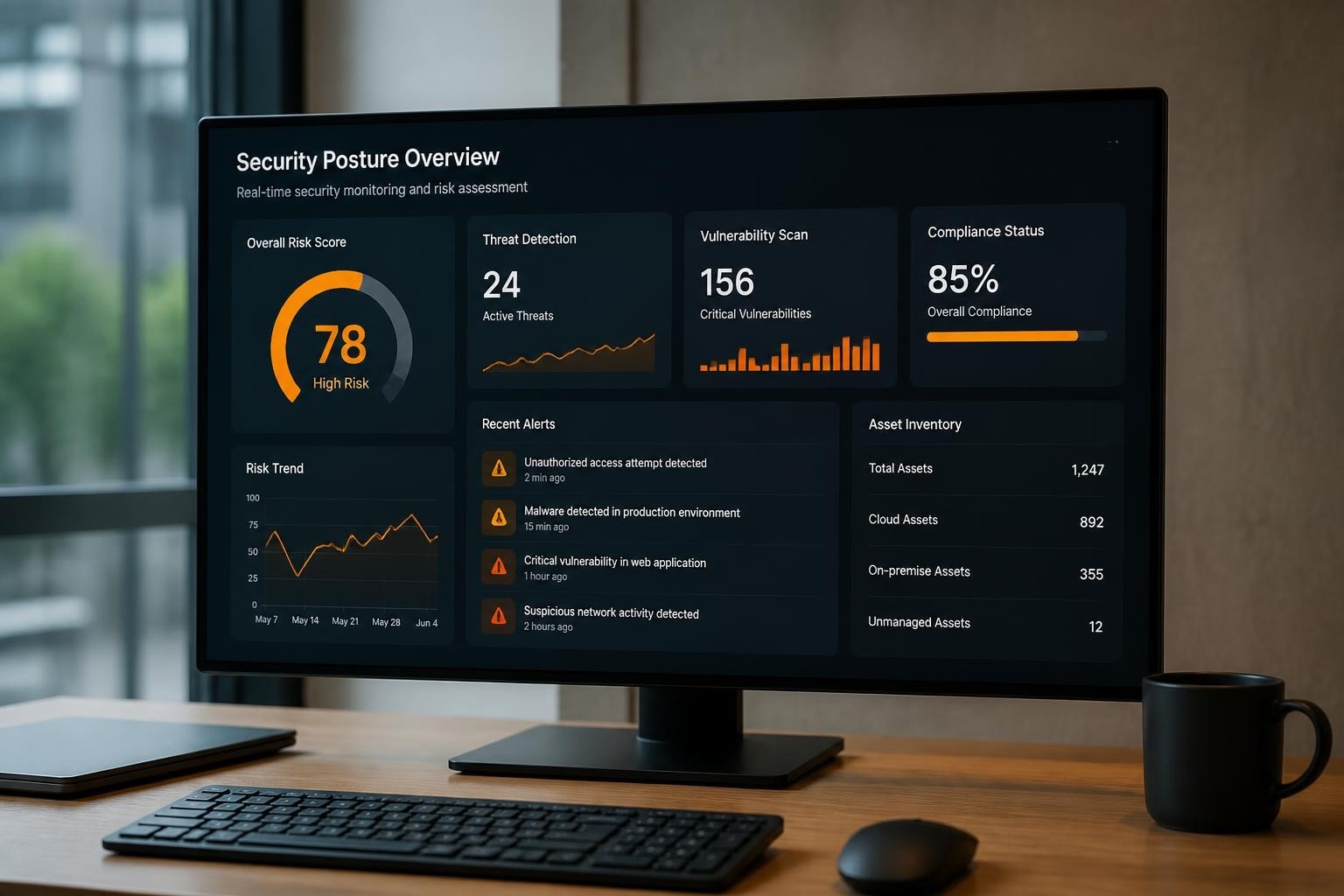

Businesses across Europe are increasingly seeking cost-effective infrastructure solutions that deliver reliable performance without breaking the budget. Furthermore, the cloud computing market in 2026 offers unprecedented opportunities for organisations to access enterprise-grade servers at prices that were unthinkable just a few years ago. Nevertheless, navigating the complex landscape of cheap cloud servers requires careful consideration of multiple factors beyond the headline monthly rate. Therefore, understanding what truly constitutes value in cloud hosting and how to evaluate providers effectively has become essential for IT decision-makers who want to optimise their infrastructure spending whilst maintaining security and compliance standards.
Understanding the True Cost of Cloud Infrastructure
When evaluating cheap cloud servers, the advertised price represents only one component of the total cost of ownership. Moreover, hidden expenses often emerge after deployment, transforming what initially appeared to be an economical choice into a financial burden.
Breaking Down Pricing Models
Cloud providers typically offer several pricing structures, each with distinct advantages for different use cases:
- Pay-as-you-go: Flexibility without long-term commitments, ideal for testing and variable workloads
- Reserved instances: Significant discounts (up to 72%) in exchange for one or three-year commitments
- Spot instances: Spare capacity offered at steep discounts but can be reclaimed with short notice
- Committed use discounts: Guarantees of minimum usage levels rewarded with reduced rates
Nevertheless, the optimal pricing model depends entirely on your workload predictability and risk tolerance. For instance, mission-critical applications require guaranteed availability, making reserved instances more suitable despite higher upfront costs. In addition, development environments often benefit from spot instances where interruptions cause minimal disruption.
| Pricing Model | Typical Discount | Commitment Required | Best For |
|---|---|---|---|
| Pay-as-you-go | 0% (baseline) | None | Variable workloads |
| Reserved 1-year | 30-40% | 12 months | Predictable demand |
| Reserved 3-year | 50-72% | 36 months | Stable, long-term workloads |
| Spot instances | 60-90% | None (can be terminated) | Fault-tolerant batch jobs |
Furthermore, organisations implementing FinOps best practices report average cost savings of 20-30% through better governance and resource allocation. Therefore, adopting these frameworks alongside cheap cloud servers creates compounding value.

Essential Features to Demand from Budget Providers
Cheap cloud servers should never mean compromising on fundamental capabilities. In addition, certain features have become standard expectations in 2026, regardless of price point.
Core Infrastructure Requirements
Compute resources form the foundation of any server deployment. Nevertheless, specifications vary dramatically across providers claiming comparable pricing. Therefore, verify exact CPU models, not just core counts, as performance per core differs substantially between processor generations.
Memory allocation directly impacts application performance. Moreover, many budget providers advertise attractive vCPU counts whilst limiting RAM, creating bottlenecks for memory-intensive workloads. Consequently, always calculate the RAM-to-vCPU ratio and ensure it matches your application requirements.
Storage performance separates functional servers from frustrating ones. Furthermore, providers offering cheap cloud servers often rely on traditional HDDs rather than SSDs, resulting in significantly slower I/O operations. Therefore, confirm storage type, IOPS guarantees, and throughput limits before committing.
Network performance represents another critical consideration. In addition, bandwidth limits, transfer costs, and network speed can dramatically affect both user experience and monthly bills. For example, a server priced at €5 monthly might incur €20 in bandwidth charges for moderate traffic levels.
Security and Compliance Standards
European businesses must prioritise GDPR compliance when selecting infrastructure. Nevertheless, many cheap cloud servers operate from data centres outside the EU, creating potential regulatory complications. Therefore, verify the physical server location and the provider's legal jurisdiction.
Additionally, consider these security essentials:
- Encryption at rest and in transit using current standards (AES-256, TLS 1.3)
- DDoS protection included in the base price or available as an affordable add-on
- Regular security patches applied automatically without service interruptions
- Backup capabilities with defined recovery time and recovery point objectives
- ISO 27001 or equivalent certifications demonstrating systematic security management
Furthermore, organisations handling sensitive data should investigate whether the provider falls under the US CLOUD Act jurisdiction. Consequently, selecting European providers operating their own infrastructure in EU data centres eliminates this concern entirely. For businesses requiring secure European hosting, providers with ISO 27001-certified facilities in the Netherlands offer both competitive pricing and robust compliance frameworks.
Optimising Performance Whilst Controlling Costs
Achieving maximum value from cheap cloud servers requires ongoing optimisation rather than simply selecting the lowest-priced option. Moreover, the AWS Cost Optimization pillar provides valuable frameworks applicable across all providers.
Rightsizing Your Infrastructure
Most organisations overprovision their servers by 30-40%, essentially paying for capacity they never utilise. Therefore, implementing continuous monitoring reveals actual resource consumption patterns.
Start with these steps:
- Deploy monitoring tools that track CPU, memory, disk I/O, and network utilisation
- Collect data over at least two weeks to capture usage patterns including peak periods
- Identify consistently underutilised resources (below 40% average utilisation)
- Downsize instances incrementally whilst maintaining performance thresholds
- Re-evaluate quarterly as application requirements evolve
Furthermore, Google Cloud’s compute optimization guidance demonstrates how systematic rightsizing reduces costs by 25-45% without impacting performance. Nevertheless, avoid excessive downsizing that creates performance degradation during peak loads.

Leveraging Automation and Scaling
Static infrastructure wastes money during low-demand periods. In addition, modern applications experience variable load patterns that manual management cannot efficiently accommodate.
| Scaling Strategy | Cost Impact | Complexity | Suitable Workloads |
|---|---|---|---|
| Manual adjustment | Moderate savings | Low | Predictable, infrequent changes |
| Scheduled scaling | 20-35% reduction | Medium | Regular patterns (business hours) |
| Auto-scaling | 35-60% reduction | High | Variable, unpredictable demand |
| Serverless functions | 40-70% reduction | Very high | Event-driven, sporadic tasks |
Moreover, combining cheap cloud servers with intelligent automation multiplies cost benefits. For instance, automatically shutting down development servers outside business hours eliminates 70% of their runtime costs. Therefore, even basic scheduling scripts deliver substantial savings.
Comparing Provider Options in 2026
The cloud infrastructure market has fragmented significantly, with hundreds of providers competing on price. Nevertheless, not all cheap cloud servers deliver equivalent value.
Major Cloud Platforms
Amazon Web Services, Google Cloud Platform, and Microsoft Azure dominate market share. Furthermore, their spot and preemptible instances offer genuinely competitive pricing for appropriate workloads. However, the complexity of their pricing models and the learning curve for effective cost management often offset headline savings.
Additionally, consider that Microsoft Azure’s cloud economics tools help estimate total costs more accurately than simple instance price comparisons. Therefore, factor in management overhead when evaluating major platforms.
Regional and Specialist Providers
European providers operating their own infrastructure frequently offer more straightforward pricing and superior data sovereignty. Moreover, they often provide personalised support that larger platforms cannot match at budget price points.
Benefits include:
- Transparent pricing without complex calculators or unexpected charges
- GDPR compliance designed into architecture rather than retrofitted
- Local support in European time zones and languages
- Predictable performance from dedicated infrastructure rather than shared public cloud resources
- Green hosting practices increasingly standard across European facilities
Furthermore, organisations can consult the Cloud Price Index for independent comparisons across multiple providers. Nevertheless, price alone provides incomplete evaluation criteria.
Performance Benchmarking
Recent academic research comparing cloud providers reveals significant performance variations per euro spent. Therefore, evaluate price-to-performance ratios rather than absolute pricing.
Conduct benchmark tests relevant to your specific workloads:
- Deploy identical applications across shortlisted providers
- Measure actual throughput, latency, and response times under realistic loads
- Calculate cost per transaction or cost per user session
- Factor in setup time, management complexity, and support quality
- Test backup and recovery procedures to validate business continuity capabilities
In addition, running these comparisons using trial credits or money-back guarantee periods eliminates financial risk whilst providing concrete performance data.
Managing Multiple Servers Efficiently
As infrastructure needs grow, managing numerous cheap cloud servers becomes increasingly complex. Therefore, implementing proper orchestration and monitoring prevents sprawl and waste.
Consolidation Strategies
Containerisation allows multiple applications to share infrastructure efficiently. Moreover, technologies like Docker and Kubernetes reduce the number of required servers whilst improving resource utilisation. Consequently, five applications previously requiring separate servers might run effectively on two larger instances.
Virtual machine density maximises hardware utilisation. Furthermore, modern hypervisors enable safe multi-tenancy where workloads share physical resources without security concerns. Therefore, carefully designed VM placement can reduce total server count by 40-60%.
Monitoring and Alerting
Effective monitoring prevents both performance issues and cost overruns. In addition, comprehensive visibility enables proactive optimisation.
Essential monitoring components include:
- Resource utilisation tracking across all instances
- Cost accumulation dashboards showing spending trends
- Performance metric collection for application-level insights
- Automated alerting for threshold violations
- Capacity planning tools projecting future requirements
Furthermore, integrating monitoring with automated responses creates self-optimising infrastructure. For example, alerts about consistently low utilisation can trigger rightsizing recommendations or automated instance adjustments.
Data Sovereignty and Regulatory Compliance
For European businesses, the location and legal framework governing cheap cloud servers carries significant implications. Moreover, regulations continue evolving, making compliance an ongoing rather than one-time consideration.
Understanding Jurisdictional Challenges
The US CLOUD Act grants American authorities potential access to data held by US companies regardless of physical server location. Therefore, European organisations handling sensitive information should carefully evaluate provider jurisdiction.
Additionally, Brexit has created new complexity for UK-based providers serving EU customers. Consequently, verifying data processing agreements and understanding transfer mechanisms has become essential.
Selecting Compliant Infrastructure
European providers operating exclusively within EU member states offer the most straightforward compliance path. Furthermore, providers with ISO 27001 certification demonstrate systematic security and privacy management.
Verification steps include:
- Confirm the legal entity's country of incorporation
- Verify physical data centre locations
- Review data processing agreements for GDPR alignment
- Check for relevant certifications (ISO 27001, NEN 7510, etc.)
- Understand backup and disaster recovery locations
- Clarify support access protocols and encryption key management
Moreover, the FinOps Foundation principles emphasise that compliance costs should be factored into total cost of ownership calculations. Therefore, seemingly more expensive GDPR-compliant servers often prove more economical than cheap cloud servers requiring extensive compliance retrofitting.

Backup and Disaster Recovery Considerations
Cheap cloud servers without adequate backup provisions represent false economies. Furthermore, data loss events cost businesses an average of €84,000 in 2026, far exceeding typical infrastructure budgets.
Backup Architecture Options
Provider-managed snapshots offer convenience but often incur per-GB storage charges that accumulate quickly. Nevertheless, they provide simple restoration workflows ideal for small deployments.
Third-party backup services specialising in cloud-to-cloud protection deliver more sophisticated capabilities. Moreover, they enable cross-provider recovery, protecting against provider-specific outages.
Self-managed backup scripts provide maximum control and potentially lowest costs. However, they require technical expertise and ongoing maintenance effort. Therefore, evaluate the true cost including staff time.
| Backup Approach | Monthly Cost (100GB) | Recovery Time | Management Effort |
|---|---|---|---|
| Provider snapshots | €3-8 | Minutes | Minimal |
| Dedicated backup service | €8-15 | Minutes to hours | Low |
| Self-managed | €2-5 (storage only) | Variable | High |
| No backup | €0 | Never (data lost) | None |
Furthermore, recovery time objectives (RTO) and recovery point objectives (RPO) should drive backup strategy selection. Therefore, mission-critical systems warrant investment in faster, more reliable backup solutions.
Migration Strategies for Cost Optimisation
Transitioning to cheap cloud servers requires careful planning to avoid service disruptions. In addition, poor migration execution can negate months of cost savings through downtime and data loss.
Planning Your Migration
Successful migrations follow systematic approaches:
- Inventory existing infrastructure cataloguing all applications, dependencies, and performance requirements
- Categorise workloads by criticality, complexity, and migration difficulty
- Pilot with non-critical systems to validate processes and identify issues
- Establish rollback procedures before migrating production workloads
- Schedule migrations during low-usage periods to minimise user impact
Moreover, many European providers offer complimentary migration assistance, significantly reducing the technical burden and risk. Therefore, factor available support into provider selection decisions.
Hybrid and Multi-Cloud Approaches
Complete infrastructure replacement rarely represents the optimal strategy. Furthermore, hybrid approaches combining on-premises, dedicated, and cheap cloud servers often deliver superior results.
Benefits of hybrid architecture include:
- Workload optimisation placing each application on its ideal infrastructure
- Risk distribution avoiding single-provider dependency
- Regulatory flexibility keeping sensitive data on-premises whilst leveraging cloud for other workloads
- Gradual transition minimising disruption through phased migration
Nevertheless, hybrid environments increase management complexity. Therefore, ensure your team possesses necessary skills or engage managed service providers to bridge capability gaps.
Future-Proofing Your Infrastructure Investment
Technology evolution continues accelerating, making five-year infrastructure commitments increasingly risky. Moreover, cheap cloud servers purchased today should support tomorrow's requirements without premature replacement.
Emerging Technology Considerations
ARM-based processors now deliver excellent performance per watt and increasingly competitive pricing. Furthermore, workloads optimised for ARM architecture achieve 20-40% better price-to-performance ratios than traditional x86 instances.
GPU and specialised accelerators have transitioned from niche to mainstream for AI and machine learning workloads. In addition, providers offering cheap cloud servers with GPU access enable organisations to experiment with advanced capabilities without massive capital investment.
Edge computing distribution brings processing closer to users, reducing latency and bandwidth costs. Therefore, future infrastructure strategies increasingly combine centralised cheap cloud servers with edge locations for optimal performance and cost.
Additionally, selecting providers with diverse hardware offerings enables smooth transitions as requirements evolve. Consequently, providers offering both traditional servers and specialised infrastructure provide better long-term value.
Sustainability and Green Hosting
Environmental impact has become a primary consideration for many European businesses. Moreover, regulatory pressure around carbon reporting continues intensifying.
When evaluating cheap cloud servers, investigate:
- Renewable energy usage for data centre operations
- Power Usage Effectiveness (PUE) ratings below 1.3
- Carbon offset programmes for unavoidable emissions
- Hardware lifecycle management including responsible disposal and recycling
- Transparency in sustainability reporting and goals
Furthermore, many European providers achieve superior environmental performance compared to global platforms. Therefore, sustainability goals and cost optimisation increasingly align rather than conflict.
Finding genuinely affordable cloud infrastructure requires looking beyond headline pricing to evaluate total cost, performance, compliance, and long-term value. Moreover, the right cheap cloud servers deliver enterprise capabilities at accessible price points when selected and managed strategically. vBoxx operates ISO 27001-certified infrastructure in the Netherlands, providing virtual and dedicated servers alongside comprehensive cloud solutions designed for European businesses prioritising security, compliance, and sustainability. Whether you need basic compute resources or complete cloud platforms, exploring GDPR-compliant European alternatives ensures your infrastructure investment supports both immediate needs and future growth.