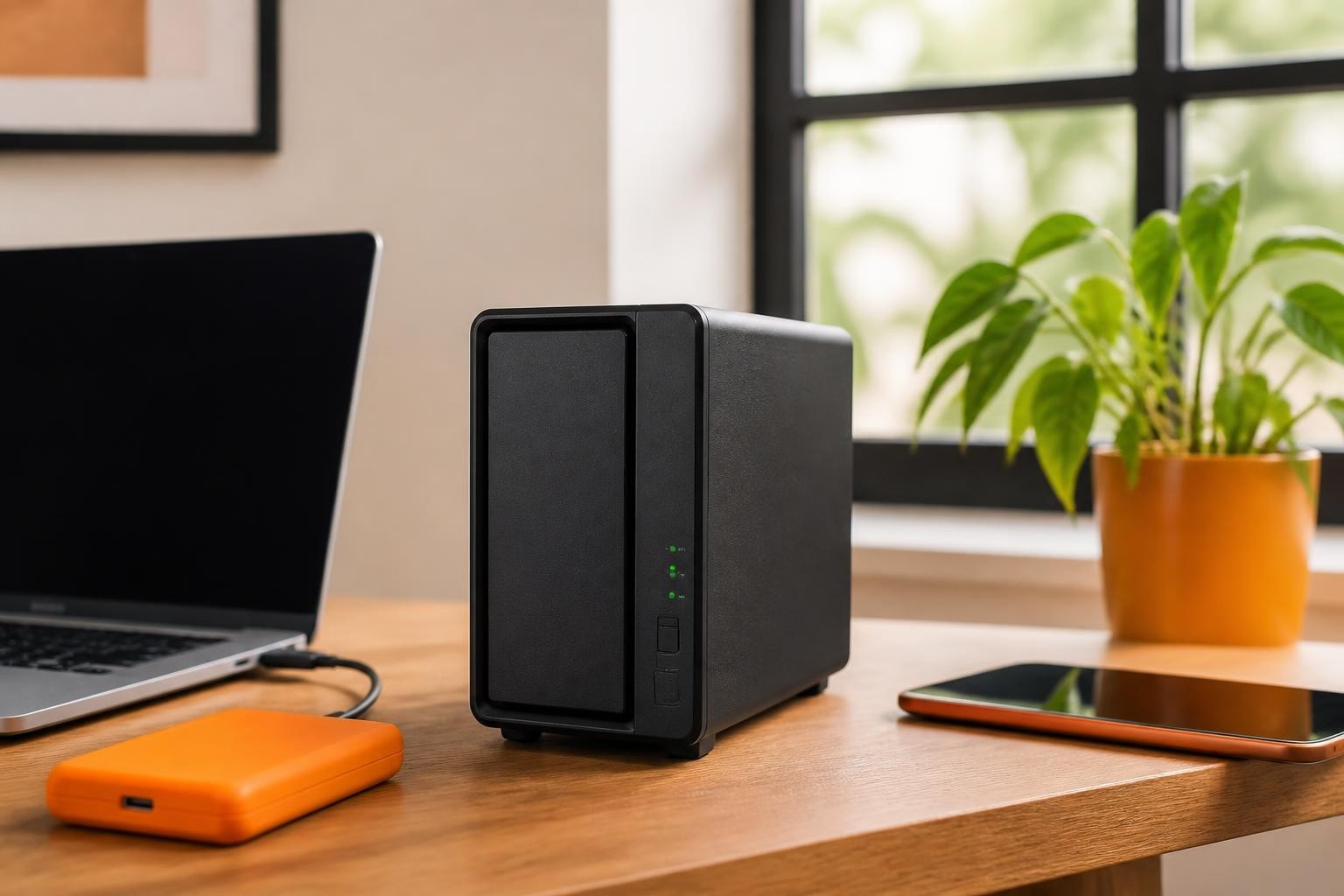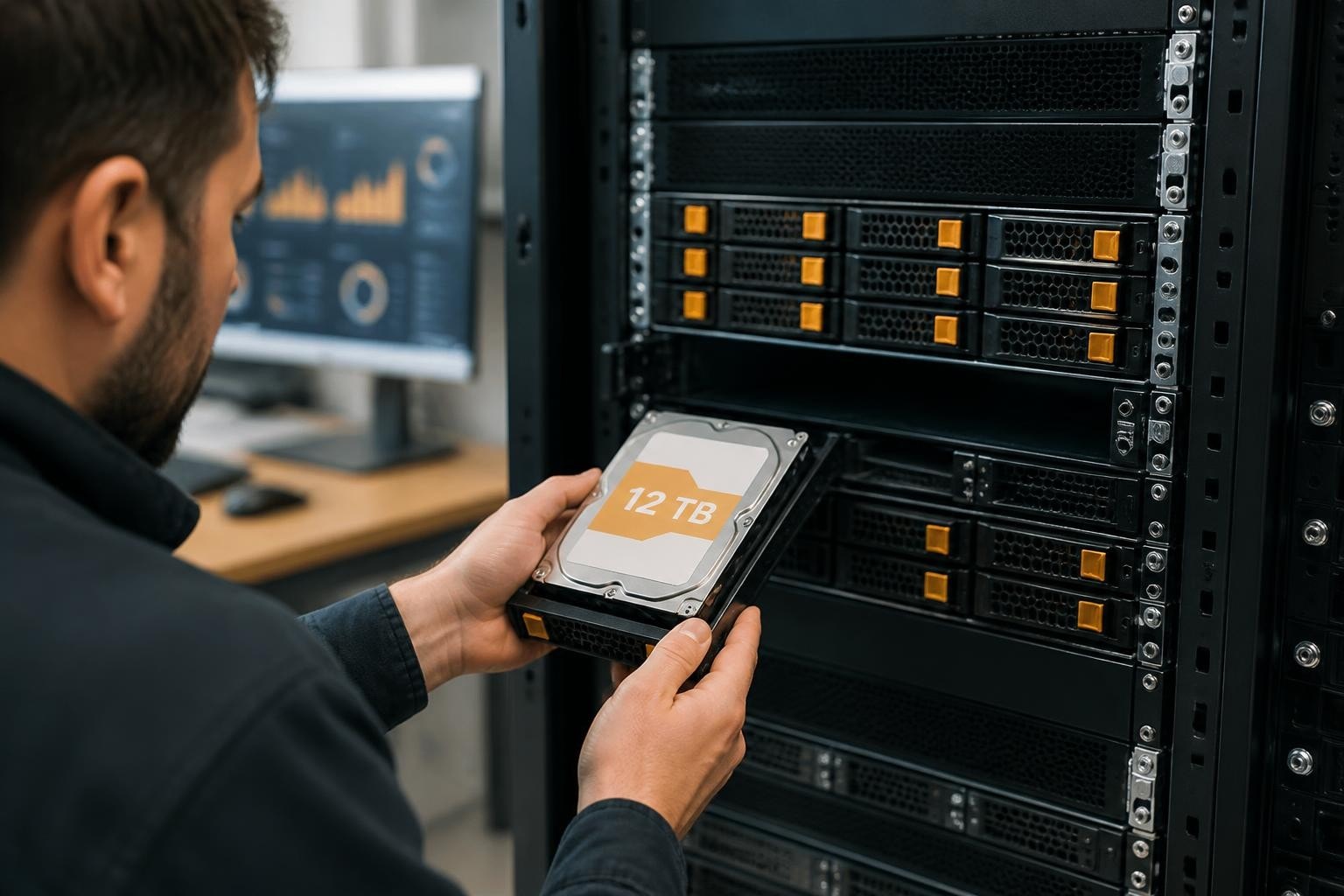

The demand for reliable, high-capacity storage solutions continues to grow as businesses generate increasingly large volumes of data. Enterprise-grade hard drives must balance capacity, performance, durability, and cost-effectiveness whilst maintaining consistent operation in demanding environments. The hat5300 12t represents Synology's approach to meeting these requirements, designed specifically for enterprise NAS deployments where reliability and continuous operation are paramount. This drive offers 12 terabytes of storage capacity optimised for 24/7 workloads in multi-bay storage systems, making it particularly relevant for businesses seeking dependable infrastructure for critical data.
Understanding Enterprise SATA Technology
Enterprise SATA drives differ fundamentally from consumer-grade alternatives in several critical aspects. Consequently, organisations evaluating storage solutions must understand these distinctions to make informed decisions about their infrastructure investments.
Design Philosophy and Workload Ratings
The hat5300 12t is engineered for continuous operation, featuring a workload rating of 550TB per year. This specification indicates the amount of data that can be written and read annually without exceeding the manufacturer's reliability parameters. Furthermore, enterprise drives incorporate enhanced error recovery controls (ERC) that prevent the drive from spending excessive time attempting to recover from read errors, thereby maintaining array integrity.
In contrast, consumer drives often lack these timing controls, potentially causing RAID controllers to mark drives as failed during normal error correction processes. Therefore, deploying consumer-grade storage in enterprise environments frequently leads to premature failures and data availability issues.

Vibration Tolerance and Multi-Bay Optimisation
Enterprise environments typically house multiple drives in close proximity, generating rotational vibration that can impact performance and reliability. Moreover, the hat5300 12t incorporates vibration sensors and compensation mechanisms specifically designed for multi-bay enclosures.
The drive supports up to 24-bay configurations, employing advanced fly height control technology that maintains optimal head positioning even in high-vibration environments. Additionally, these features ensure consistent performance across all drives in an array, preventing the degradation that occurs when consumer drives operate in similar conditions. The detailed specifications confirm these enterprise-focused design elements.
Performance Characteristics and Benchmarks
Understanding drive performance requires examining multiple metrics beyond simple read and write speeds. Nevertheless, sequential and random I/O performance both contribute to overall system responsiveness in different usage scenarios.
Sequential Transfer Rates
The hat5300 12t achieves sequential read speeds of 255 MB/s and write speeds of 254 MB/s. These figures represent optimal conditions with large, contiguous data blocks. Furthermore, sequential performance primarily affects operations such as large file transfers, backup processes, and media streaming.
For businesses implementing cloud storage solutions, sequential write performance directly impacts how quickly data can be ingested during initial migrations or regular backup windows. Therefore, maintaining consistent sequential throughput ensures predictable completion times for scheduled maintenance operations.
| Performance Metric | HAT5300 12T Specification | Business Impact |
|---|---|---|
| Sequential Read | 255 MB/s | Large file retrieval, restore operations |
| Sequential Write | 254 MB/s | Backup windows, data ingestion |
| Spindle Speed | 7200 RPM | Balance of performance and capacity |
| Cache Buffer | 256 MB | Improved small file operations |
| Interface | SATA III (6 Gb/s) | Broad compatibility with existing infrastructure |
Random I/O and Real-World Performance
Random read and write operations represent the majority of typical business workloads, including database queries, email systems, and document management platforms. Consequently, random I/O performance often determines perceived system responsiveness more significantly than sequential benchmarks.
The 256 MB cache buffer on the hat5300 12t helps mitigate latency for frequently accessed data blocks. Moreover, the drive's firmware optimises command queuing to handle multiple simultaneous requests efficiently. According to performance benchmarks, these optimisations deliver measurable improvements in multi-user environments where concurrent access patterns dominate.
Reliability and Durability Engineering
Enterprise storage systems must maintain data integrity and availability across extended operational periods. Therefore, manufacturers implement multiple reliability features to achieve acceptable mean time between failures (MTBF) ratings.
MTBF Ratings and Statistical Reliability
The hat5300 12t specifies an MTBF of 2.5 million hours, translating to approximately 285 years of continuous operation in statistical terms. Nevertheless, MTBF represents an average across large populations rather than a guarantee for individual drives. Furthermore, this metric helps organisations calculate appropriate redundancy levels and replacement cycles for their storage infrastructure.

Key reliability features include:
- Advanced power management to reduce thermal stress
- Rotational vibration sensors for multi-bay stability
- Enhanced error recovery controls for RAID compatibility
- 256 MB cache with power loss protection
- Thermal monitoring and adaptive performance scaling
Annual Failure Rate Considerations
Whilst MTBF provides one reliability perspective, the annual failure rate (AFR) offers a more practical planning metric. Enterprise drives typically target AFR values below 0.73%, meaning fewer than eight failures per thousand drives annually. Moreover, businesses can use these statistics to calculate appropriate spare drive inventories and budget for replacement costs.
The customer experiences documented provide real-world perspectives on drive longevity, though individual results naturally vary based on environmental conditions, workload patterns, and power quality.
Business Applications and Use Cases
Understanding where the hat5300 12t delivers optimal value helps organisations make appropriate deployment decisions. Consequently, matching drive characteristics to specific workload requirements maximises both performance and cost-effectiveness.
Cloud Storage and File Sharing Platforms
Businesses implementing private cloud solutions require storage that balances capacity, reliability, and cost per terabyte. Furthermore, platforms such as vBoxxCloud benefit from enterprise drives that support continuous operation whilst maintaining data integrity across distributed teams accessing files simultaneously.
The 12TB capacity provides substantial storage for document repositories, project files, and collaborative workspaces without requiring excessive drive bays. Therefore, organisations can achieve meaningful capacity whilst preserving expansion options for future growth. Additionally, the drive's RAID optimisations ensure consistent performance even as multiple users access, modify, and synchronise files concurrently.
Backup and Disaster Recovery Systems
Backup infrastructure represents one of the most suitable applications for high-capacity enterprise SATA drives. Moreover, backup workloads typically emphasise sequential write performance and capacity over random I/O characteristics, aligning well with the hat5300 12t's strengths.
Backup deployment considerations:
- Calculate retention requirements to determine total capacity needs
- Assess backup window duration against sequential write speeds
- Implement appropriate RAID levels for backup target protection
- Schedule verification processes during low-utilisation periods
- Monitor drive health metrics to anticipate replacement needs
Virtualisation and Development Environments
Whilst enterprise SSDs deliver superior performance for primary virtualisation storage, SATA drives remain cost-effective for specific scenarios. Nevertheless, archived virtual machines, development snapshots, and testing environments often prioritise capacity over absolute performance.
For businesses hosting Mac mini environments or development infrastructure, combining SSD performance for active workloads with SATA capacity for archives optimises both responsiveness and cost. Furthermore, this tiered approach allows organisations to scale storage economically as development teams accumulate build artifacts and test data.
Integration with Business Infrastructure
Deploying enterprise storage requires consideration of the broader infrastructure context. Therefore, organisations must evaluate compatibility, configuration options, and operational procedures alongside individual drive specifications.
RAID Configuration Strategies
The hat5300 12t supports standard RAID configurations, with different levels offering distinct balances between capacity, performance, and fault tolerance. Moreover, selecting appropriate RAID levels directly impacts usable capacity and rebuild times following drive failures.
| RAID Level | Usable Capacity (4x 12TB) | Fault Tolerance | Read Performance | Write Performance |
|---|---|---|---|---|
| RAID 0 | 48 TB | None | Excellent | Excellent |
| RAID 1 | 24 TB | 1 drive | Good | Moderate |
| RAID 5 | 36 TB | 1 drive | Good | Moderate |
| RAID 6 | 24 TB | 2 drives | Good | Lower |
| RAID 10 | 24 TB | 1 per mirror | Excellent | Good |
RAID 6 configurations provide enhanced protection in large arrays where rebuild times might expose vulnerabilities to second failures. Additionally, the extended rebuild duration for 12TB drives makes dual-parity configurations increasingly attractive for risk-averse organisations.
Power Consumption and Environmental Considerations
Enterprise storage systems operate continuously, making power efficiency relevant for both operational costs and environmental impact. Furthermore, the hat5300 12t specifies power consumption of 8.3W during operation and 6.8W when idle.
Across multiple drives, these figures accumulate significantly. For instance, a 24-bay system fully populated with these drives would consume approximately 200W continuously, translating to roughly 1,750 kWh annually. Therefore, organisations committed to sustainability should factor power consumption into total cost of ownership calculations and environmental reporting.

Monitoring and Maintenance Procedures
Proactive monitoring prevents unexpected failures from impacting business operations. Consequently, organisations should implement comprehensive health monitoring across their storage infrastructure.
Essential monitoring metrics include:
- SMART attribute tracking for predictive failure indicators
- Temperature monitoring to prevent thermal degradation
- Reallocated sector counts indicating surface issues
- Power cycle counts and operational hours
- Error rates for both correctable and uncorrectable events
Modern NAS platforms provide integrated monitoring dashboards that surface these metrics, enabling administrators to identify degrading drives before catastrophic failures occur. Moreover, establishing baseline performance metrics helps detect gradual degradation that might otherwise escape notice until significant impact accumulates.
Procurement and Deployment Considerations
Acquiring enterprise storage requires evaluation beyond specifications alone. Nevertheless, vendor selection, warranty terms, and support availability all contribute to successful long-term operation.
Vendor Selection and Availability
The hat5300 12t is available through multiple channels, including specialised storage vendors and general technology suppliers. Furthermore, organisations should evaluate vendor expertise, stock availability, and support capabilities when selecting suppliers.
Platforms such as LDLC and Staples offer different purchasing experiences, with varying stock levels and shipping options. Additionally, working with vendors experienced in enterprise storage ensures access to knowledgeable support during deployment and troubleshooting.
Warranty and Support Terms
Enterprise drives typically include extended warranty coverage reflecting their reliability focus. Moreover, understanding warranty terms, including advance replacement options and data recovery policies, helps organisations plan for failure scenarios.
The hat5300 12t includes a five-year warranty, providing coverage throughout the typical deployment lifecycle. Furthermore, advance replacement programmes minimise downtime by shipping replacement drives before failed units are returned, though eligibility requirements and geographical availability vary.
Initial Deployment and Testing
Proper commissioning procedures validate drive functionality and establish performance baselines. Therefore, organisations should implement structured deployment processes rather than simply installing drives and commencing production operations immediately.
Recommended deployment steps:
- Perform initial SMART tests to verify factory condition
- Execute full surface scans to identify any shipping damage
- Document baseline performance metrics for future comparison
- Configure monitoring thresholds based on manufacturer specifications
- Schedule initial health checks after 30 and 90 days of operation
Capacity Planning and Future Scaling
Strategic capacity planning ensures storage infrastructure meets current requirements whilst accommodating anticipated growth. Consequently, organisations must evaluate both immediate needs and multi-year projections when designing storage solutions.
Growth Rate Analysis
Businesses should analyse historical data growth patterns to project future requirements. Moreover, factoring in changing retention policies, regulatory requirements, and new application deployments prevents premature capacity exhaustion.
For example, organisations implementing comprehensive backup strategies may see storage requirements grow 30-40% annually as protected datasets expand. Therefore, provisioning 12TB drives provides substantial headroom whilst maintaining reasonable bay counts in typical NAS enclosures.
Migration and Expansion Strategies
Expanding existing arrays or migrating to higher-capacity drives requires careful planning to avoid disruption. Furthermore, modern NAS platforms support online capacity expansion, enabling growth without service interruptions.
Organisations can expand storage by adding drives to existing RAID groups where supported, or creating new volumes as additional bays become available. Additionally, migration to larger drives involves replacing existing drives sequentially, allowing RAID arrays to rebuild onto higher-capacity units progressively.
Security and Data Protection Layers
Storage infrastructure forms the foundation of data protection strategies. Nevertheless, drive reliability alone cannot guarantee data security, requiring comprehensive protection across multiple layers.
Physical Security Considerations
Enterprise drives store business-critical information requiring protection against unauthorised access. Moreover, organisations must implement appropriate physical security controls around storage infrastructure, including restricted access, environmental monitoring, and audit logging.
Data centre facilities hosting business storage should maintain controlled access, continuous surveillance, and comprehensive visitor logging. Furthermore, these controls complement logical access restrictions and encryption to establish defence-in-depth approaches.
Encryption and Compliance Requirements
Modern data protection regulations frequently mandate encryption for sensitive information. Consequently, organisations must implement encryption either at the drive level, array level, or application level depending on specific compliance requirements.
The hat5300 12t supports standard AES encryption when deployed with compatible controllers and NAS platforms. Additionally, application-level encryption provides flexibility for organisations requiring selective protection or managing compliance across multiple jurisdictions. European businesses particularly benefit from infrastructure that supports GDPR compliance through comprehensive data protection measures.
Competitive Context and Alternatives
Understanding how the hat5300 12t compares to alternatives helps organisations make informed procurement decisions. Therefore, evaluating competing solutions across specifications, pricing, and vendor ecosystems provides valuable context.
Enterprise SATA Segment Positioning
The enterprise SATA market includes offerings from multiple manufacturers, each with distinct characteristics. Moreover, factors beyond raw specifications, including firmware maturity, vendor support quality, and integration with specific platforms, influence selection decisions.
Synology's ecosystem integration represents a key differentiator, with the hat5300 12t optimised specifically for Synology NAS platforms. Furthermore, this vertical integration potentially delivers enhanced reliability and performance compared to generic enterprise drives in Synology environments.
Price-Performance Analysis
Cost per terabyte remains a crucial metric for capacity-focused deployments. Nevertheless, organisations must balance acquisition costs against reliability, warranty coverage, and operational expenses to calculate true total cost of ownership.
According to pricing information from ComX, the hat5300 12t positions competitively within the enterprise SATA segment whilst delivering vendor-specific optimisations that may justify premium pricing for Synology environments.
The hat5300 12t delivers enterprise-grade reliability and capacity for businesses requiring dependable storage infrastructure, with specifications optimised for continuous operation in demanding environments. For organisations seeking comprehensive European cloud solutions built on robust infrastructure, vBoxx provides GDPR-compliant hosting and cloud services operated from ISO 27001-certified data centres in the Netherlands, combining enterprise-grade reliability with European data sovereignty and sustainable hosting practices.