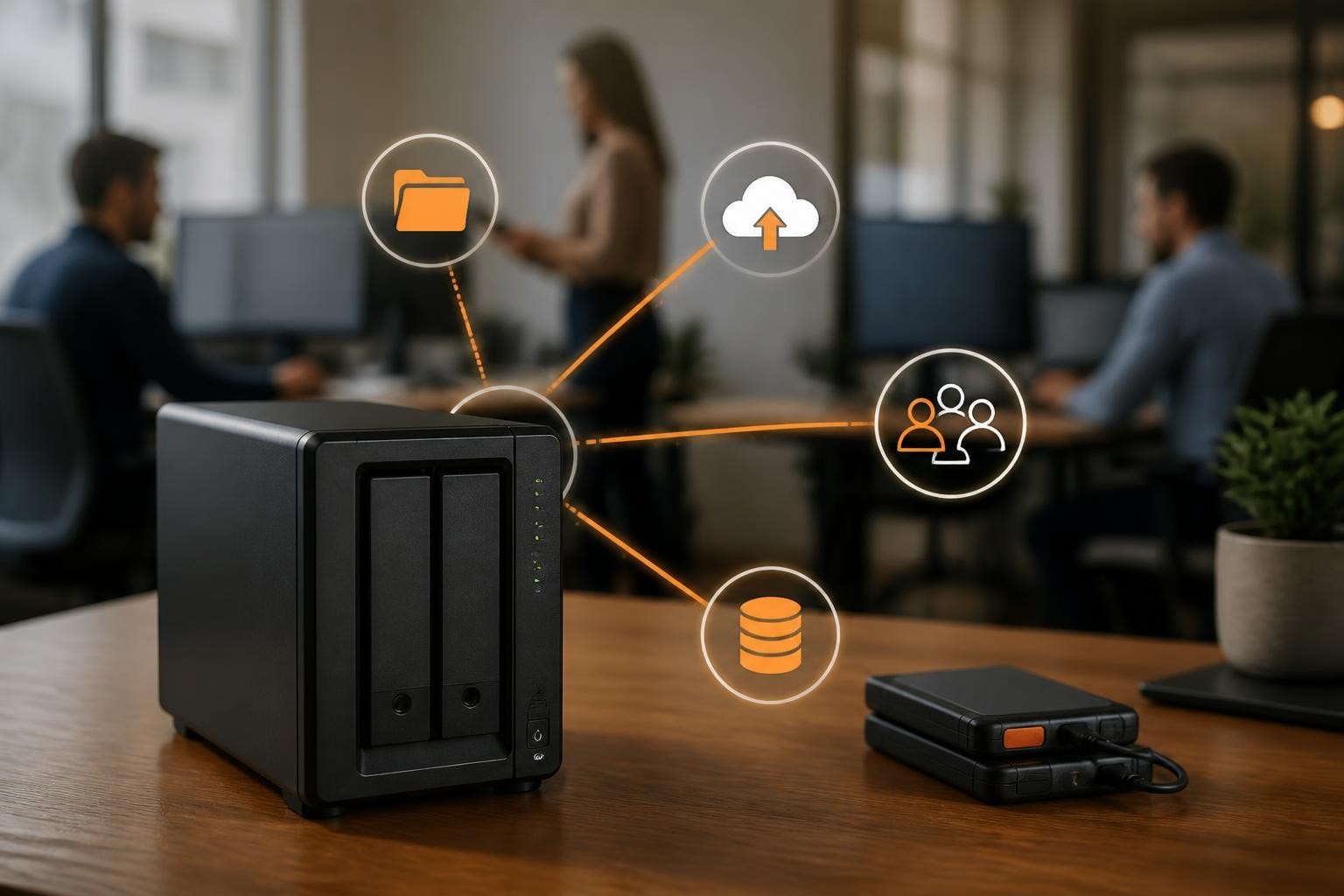
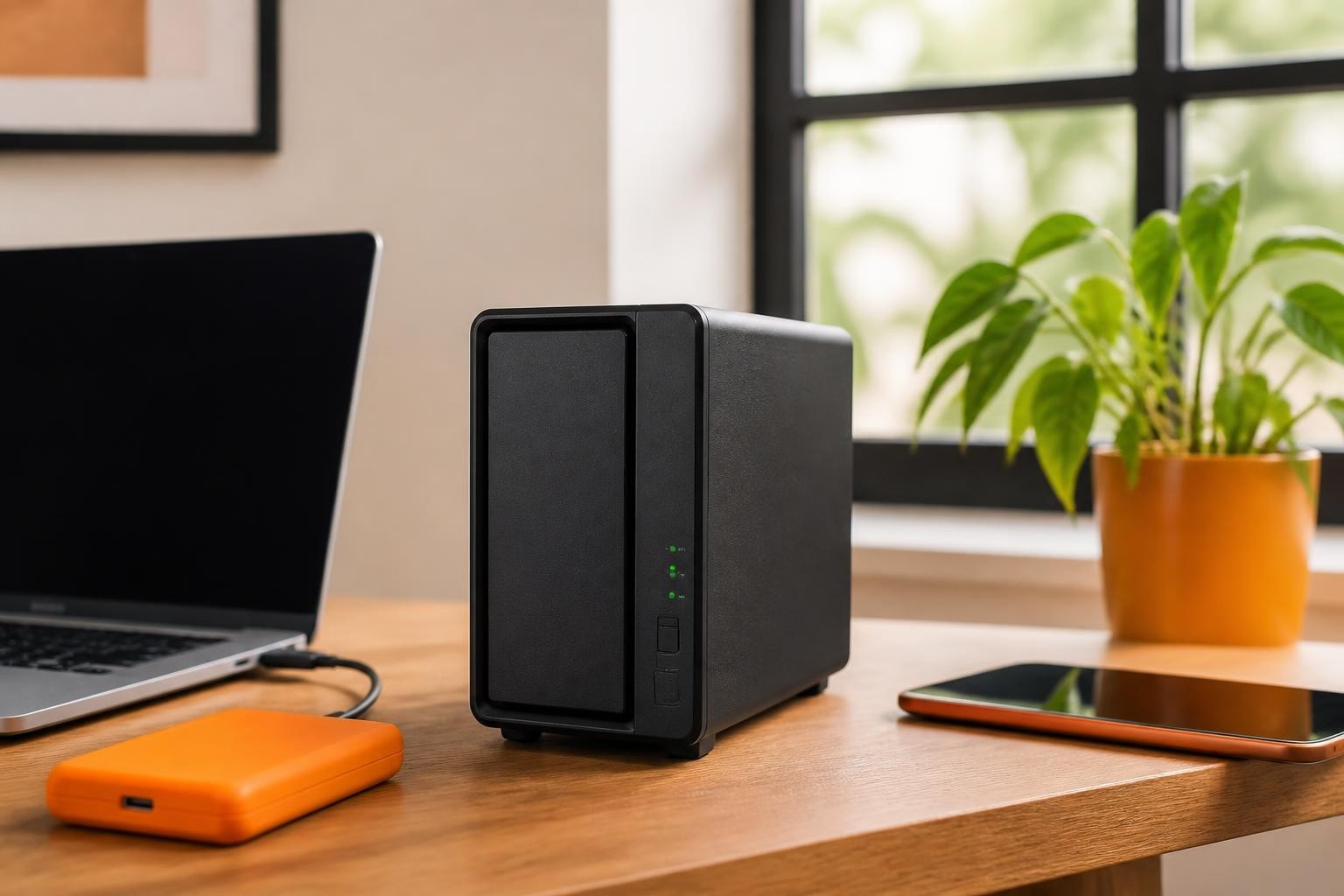
The evolution of enterprise storage solutions has brought forth specialized hardware designed to meet the demanding requirements of cloud platforms and business infrastructure. The Synology hat5310 series represents a significant advancement in high-capacity storage drives, specifically engineered for 24/7 operation in demanding environments. Furthermore, understanding the technical specifications and practical applications of these enterprise-grade drives is essential for businesses planning their cloud infrastructure investments. Moreover, the hat5310 series addresses critical concerns around reliability, performance, and long-term data integrity that cloud service providers and enterprises face daily.
Understanding the HAT5310 Series Architecture
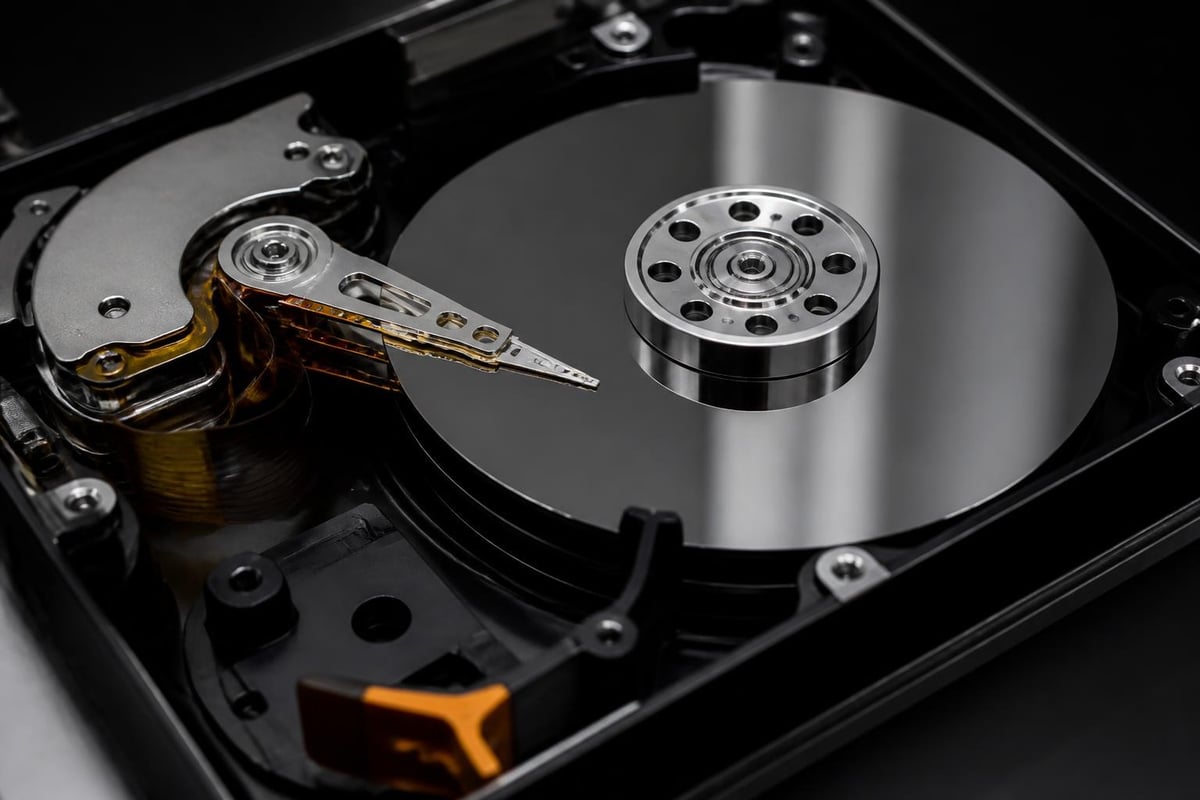
The hat5310 series comprises purpose-built hard drives designed exclusively for Synology NAS systems and enterprise storage environments. These drives feature a 3.5-inch form factor with SATA 6Gb/s connectivity, optimized for continuous operation in multi-bay configurations. Nevertheless, what distinguishes these drives from consumer-grade alternatives is their specialized firmware and mechanical engineering.
Technical Specifications and Capacity Options
The hat5310 lineup offers multiple capacity points to accommodate varying storage requirements. The Synology HAT5310-8T 8TB model serves as the entry point, whilst higher-capacity variants extend to 18TB and beyond. In addition, the HAT5310-20T 20TB configuration represents the current flagship offering, delivering substantial storage density per drive bay.
Key specifications include:
- Rotational speed: 7,200 RPM for optimal performance
- Cache memory: Up to 512MB for enhanced data throughput
- Mean Time Between Failures (MTBF): 2.5 million hours
- Annual workload rating: 550TB per year
- Power consumption: Optimized for efficiency in large arrays
Performance Characteristics for Cloud Infrastructure
Enterprise cloud platforms demand consistent performance across thousands of operations daily. As a result, the HAT5310 series incorporates rotational vibration sensors and advanced error correction algorithms. Furthermore, these drives maintain performance stability even within densely populated storage arrays, where vibration and heat present ongoing challenges. Consequently, organisations can rely on consistent throughput and improved reliability in demanding enterprise environments.
Workload Optimization
The annual workload rating of 550TB positions the hat5310 series for intensive enterprise applications. This metric indicates the total data volume that can be written and read annually whilst maintaining reliability specifications. Moreover, cloud storage platforms that handle continuous file uploads, synchronization operations, and backup tasks benefit significantly from this robust design tolerance.
| Performance Metric | HAT5310 Specification | Impact on Cloud Operations |
|---|---|---|
| Sequential Read | Up to 268 MB/s | Fast file retrieval and streaming |
| Sequential Write | Up to 268 MB/s | Efficient backup and replication |
| Random IOPS | Optimized for NAS | Improved multi-user access |
| Vibration Tolerance | Enhanced RV sensors | Stable operation in large arrays |
In addition, the hat5310 drives employ adaptive caching algorithms that prioritize frequently accessed data, reducing latency for business-critical applications. This becomes particularly relevant for cloud platforms hosting multiple client environments simultaneously.
Integration with Synology NAS Ecosystems
Synology has developed the HAT5310 series with deep integration into its DSM (DiskStation Manager) operating system. As a result, these drives benefit from advanced features including health monitoring, predictive failure analysis, and automated storage optimisation. Furthermore, this integration provides administrators with greater visibility into drive health and system performance. Nevertheless, proper configuration remains essential to maximise these capabilities.
Health Monitoring and Predictive Analytics
The combination of Synology’s S.M.A.R.T. monitoring and hat5310 firmware provides comprehensive health tracking. Furthermore, administrators receive advance warning of potential issues, enabling proactive drive replacement before data loss occurs. The HAT5310-18T 18TB variant exemplifies this integration, offering detailed telemetry data through the DSM interface.
Key monitoring capabilities include:
- Real-time temperature tracking across all drives
- Bad sector detection and reallocation
- Power-on hours and start/stop cycle counting
- Vibration and shock event logging
- Performance degradation alerts
Deployment Considerations for Business Environments
Implementing hat5310 drives within cloud infrastructure requires careful planning around several critical factors. Therefore, understanding these considerations ensures optimal performance and longevity. Moreover, businesses must evaluate their specific requirements against the technical specifications these drives offer.
Capacity Planning and Scalability
Determining the appropriate hat5310 capacity involves analyzing current storage needs alongside growth projections. The 20TB configuration provides substantial room for expansion, reducing the frequency of hardware upgrades. In addition, cloud platforms must account for RAID overhead, which consumes a portion of raw capacity for redundancy protection.
Capacity calculation framework:
- Assess current data volume across all services
- Calculate annual growth rate based on historical trends
- Apply RAID overhead percentages (RAID 6: approximately 30%)
- Add buffer capacity for temporary operations (15-20%)
- Select hat5310 configuration meeting five-year projections
Furthermore, businesses operating cloud storage services should consider that user data typically grows 40-60% annually in mature platforms. Therefore, selecting higher-capacity hat5310 models often proves more economical than frequent expansions.

Reliability Engineering for Continuous Operations
The hat5310 series incorporates several reliability features essential for cloud infrastructure that cannot tolerate downtime. Nevertheless, hardware reliability represents only one component of a comprehensive data protection strategy. Moreover, proper environmental conditions and maintenance practices significantly influence drive longevity.
Environmental Requirements
Operating conditions directly impact hat5310 performance and lifespan:
- Temperature range: 5°C to 60°C operational
- Humidity: 5% to 95% non-condensing
- Vibration: Designed for multi-bay enclosures
- Airflow: Adequate cooling required for sustained performance
Furthermore, data centres hosting cloud platforms should maintain temperature stability, as thermal cycling accelerates mechanical wear. To support this, the HAT5310 drives feature thermal sensors that enable dynamic performance adjustment based on operating temperature. As a result, they help maintain consistent performance while reducing the impact of excessive heat on drive longevity.
RAID Configuration Strategies
Implementing hat5310 drives within RAID arrays provides redundancy against drive failures. Furthermore, different RAID levels offer varying balances between performance, capacity efficiency, and fault tolerance.
| RAID Level | Usable Capacity | Fault Tolerance | Best Use Case |
|---|---|---|---|
| RAID 1 | 50% | 1 drive failure | Critical databases |
| RAID 5 | 75-85% | 1 drive failure | General file storage |
| RAID 6 | 65-75% | 2 drive failures | Large arrays (8+ drives) |
| RAID 10 | 50% | Multiple failures | High-performance applications |
Therefore, cloud platforms balancing capacity efficiency with robust protection often deploy hat5310 drives in RAID 6 configurations. This approach tolerates simultaneous failures whilst maintaining acceptable storage efficiency.
Cost Efficiency and Total Cost of Ownership
Evaluating HAT5310 drives requires analysis beyond the initial purchase price. In particular, total cost of ownership (TCO) encompasses power consumption, cooling requirements, failure rates, and operational lifespan. Furthermore, these factors can have a significant impact on long-term infrastructure costs. Moreover, businesses must consider the cost implications of downtime and data loss when comparing storage solutions. As a result, a comprehensive TCO assessment provides a more accurate measure of long-term value than upfront pricing alone.
Power Efficiency Considerations
The hat5310 series incorporates power management features that reduce operational costs in large deployments. Furthermore, drives enter lower power states during periods of inactivity, decreasing electricity consumption and heat generation. In addition, cloud platforms operating hundreds of drives realize substantial savings through these efficiency measures.
Annual power cost calculation:
- Average power consumption: 6.5W active, 4.2W idle
- Mixed workload profile: 70% active, 30% idle
- Blended consumption: (6.5 × 0.7) + (4.2 × 0.3) = 5.81W
- Annual energy: 5.81W × 24h × 365d = 50.9 kWh
- At £0.25/kWh: £12.73 per drive annually
Therefore, a 24-drive array consumes approximately £305.52 in electricity annually, making power efficiency a meaningful consideration for large-scale deployments.
Data Migration and Implementation Workflows
Transitioning existing infrastructure to hat5310-based storage requires systematic planning and execution. Furthermore, businesses must minimize service disruption whilst ensuring complete data integrity throughout the migration process. Moreover, cloud platforms serving active users demand particular attention to continuity during hardware transitions.
Migration Strategy Framework
Successful hat5310 implementation follows structured phases:
- Assessment phase: Inventory existing data, analyze access patterns, identify dependencies
- Planning phase: Design target configuration, schedule migration windows, prepare rollback procedures
- Testing phase: Validate performance with representative workloads, verify monitoring integration
- Migration phase: Execute data transfer using verified procedures, maintain service availability
- Validation phase: Confirm data integrity, benchmark performance metrics, update documentation
In addition, businesses offering cloud services might consider scheduling a demonstration of all-in-one platforms to explore how integrated solutions can simplify infrastructure management whilst maintaining security standards.
Maintenance Practices and Lifecycle Management
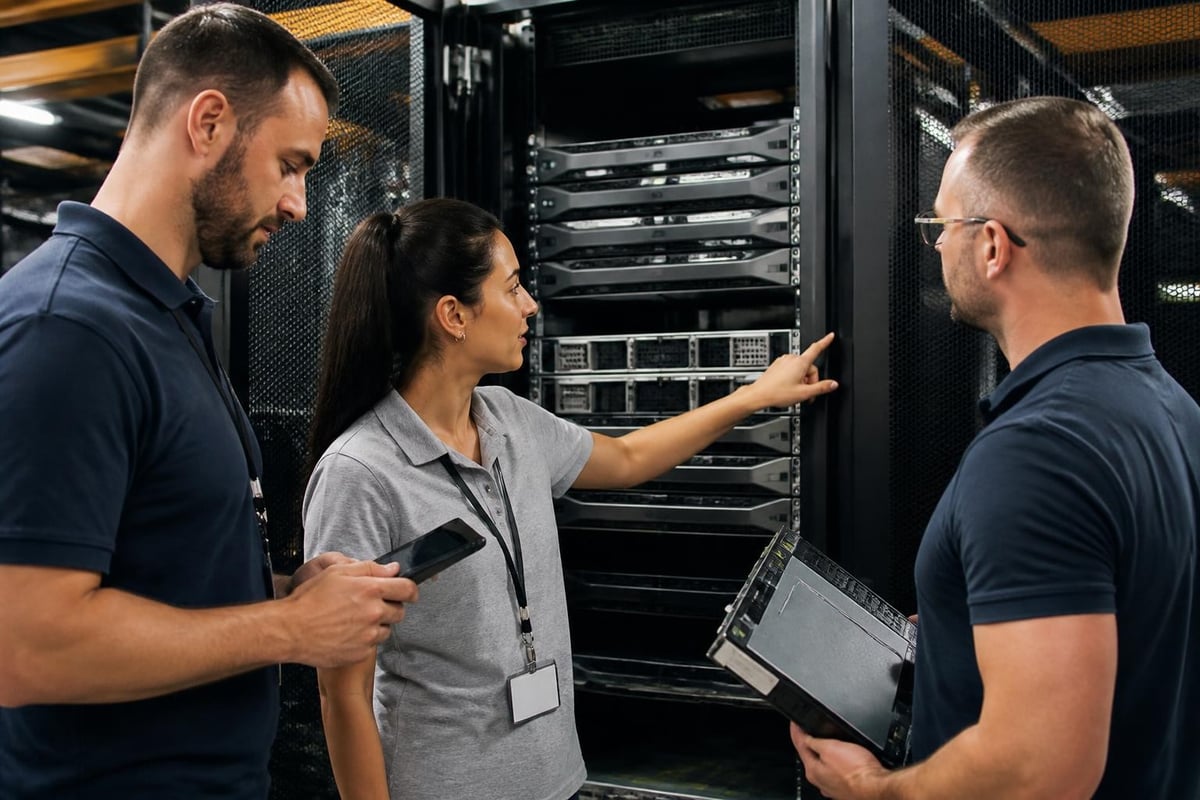
Extending hat5310 operational lifespan requires proactive maintenance and monitoring. Nevertheless, even enterprise-grade drives eventually require replacement as they approach their design limits. Therefore, establishing clear lifecycle management policies prevents unexpected failures from impacting cloud services.
Proactive Replacement Scheduling
Rather than waiting for drive failures, sophisticated cloud platforms implement proactive replacement based on operational metrics:
- Replace drives approaching 5 years of continuous operation
- Monitor power-on hours and implement thresholds (typically 43,800 hours)
- Track reallocated sector counts and replace drives exceeding acceptable levels
- Analyze performance degradation trends indicating mechanical wear
Furthermore, maintaining spare hat5310 drives enables rapid replacement without service disruption. Moreover, cloud platforms should stock spares matching their deployed capacities to ensure compatibility and performance consistency.
Integration with Broader Infrastructure Strategies
The hat5310 series functions as one component within comprehensive cloud infrastructure. Nevertheless, businesses must consider how storage integrates with networking, compute resources, and security frameworks. In addition, modern cloud platforms require seamless coordination between these elements to deliver reliable services.
Backup and Disaster Recovery
Despite hat5310 reliability features and RAID protection, comprehensive backup strategies remain essential. Therefore, cloud platforms should implement multi-tiered backup approaches:
- Primary storage: hat5310 arrays in RAID configuration
- Secondary backup: Regular snapshots to separate storage systems
- Offsite replication: Geographic redundancy for disaster recovery
- Archive storage: Long-term retention on cost-optimized media
Moreover, businesses seeking to explore further information about comprehensive cloud solutions can examine how integrated platforms address these requirements whilst maintaining privacy and security standards.
Performance Optimization Techniques
Maximizing hat5310 performance requires attention to configuration details and operational practices. Furthermore, cloud platforms can implement several optimization strategies that extract additional performance from these enterprise drives. Nevertheless, optimization must balance performance gains against reliability considerations.
File System and Volume Configuration
Selection of appropriate file systems impacts hat5310 performance characteristics:
- Btrfs: Advanced features including snapshots and data integrity checking
- ext4: Proven stability and broad compatibility
- XFS: Excellent performance with large files
In addition, volume configuration affects performance through factors including allocation unit size, journal placement, and caching policies. Therefore, cloud platforms should benchmark configurations against representative workloads before production deployment.
Finally, businesses planning infrastructure investments should carefully evaluate how components like the hat5310 series align with their operational requirements, growth projections, and reliability standards. Moreover, successful cloud platforms recognize that storage infrastructure represents a foundation upon which all services depend, making thorough evaluation and proper implementation critical to long-term success.
Understanding enterprise storage solutions like the hat5310 series enables businesses to make informed infrastructure decisions that balance performance, reliability, and cost efficiency. Furthermore, implementing robust storage foundations ensures cloud platforms can scale sustainably whilst maintaining service quality. For businesses seeking comprehensive cloud infrastructure solutions that prioritize security, reliability, and sustainable practices, vBoxx offers integrated platforms designed specifically for European enterprises requiring trustworthy digital infrastructure.