The decision to host own cloud infrastructure represents a strategic shift in how businesses manage their digital assets. Furthermore, as data privacy regulations tighten across Europe and organisations seek greater control over their information, self-hosted cloud solutions have emerged as a compelling alternative to third-party platforms. Nevertheless, this transition requires careful planning, technical knowledge, and a clear understanding of both the benefits and responsibilities involved. In addition, businesses must evaluate their specific requirements against available solutions to ensure optimal outcomes.
Understanding Self-Hosted Cloud Infrastructure
When organisations choose to host own cloud systems, they assume direct control over their data storage, processing, and access mechanisms. This approach differs fundamentally from commercial cloud services where infrastructure remains under external provider management. Moreover, self-hosting enables businesses to determine precisely where their data resides, who can access it, and how it's protected.
The core components of a self-hosted cloud environment typically include storage servers, virtualisation platforms, networking equipment, and management software. Therefore, businesses must assess their technical capabilities before embarking on this journey. Furthermore, the infrastructure can be deployed on-premises within company facilities, in colocation centres, or through hybrid arrangements combining both approaches.
Key Advantages of Self-Hosted Solutions
Taking the decision to host own cloud infrastructure delivers several compelling benefits for organisations. Firstly, data sovereignty becomes absolute, allowing businesses to comply with regional data protection requirements such as GDPR. In addition, customisation possibilities extend far beyond what commercial providers typically offer.
Primary benefits include:
- Complete control over data location and access policies
- Elimination of recurring subscription costs for cloud storage
- Enhanced privacy through removal of third-party access points
- Customisable security protocols tailored to specific threats
- Independence from provider policy changes or service discontinuation
- Reduced vendor lock-in and improved data portability
Nevertheless, these advantages must be weighed against the responsibilities of infrastructure management. Therefore, organisations need qualified personnel or trusted partners to maintain, update, and secure their systems effectively.

Technical Requirements and Infrastructure Options
To successfully host own cloud systems, businesses must first establish a robust technical foundation. Moreover, the infrastructure requirements vary considerably depending on organisation size, user count, and anticipated data volumes. Furthermore, selecting appropriate hardware represents a critical decision point that influences both performance and scalability.
Hardware Specifications
The physical infrastructure needed to host own cloud services comprises servers, storage arrays, networking components, and backup systems. In addition, organisations must consider redundancy requirements to ensure continuous availability. Therefore, entry-level deployments might utilise a single server, whilst enterprise implementations typically require multiple redundant systems.
| Component | Small Business | Medium Enterprise | Large Organisation |
|---|---|---|---|
| Server CPUs | 4-8 cores | 16-32 cores | 64+ cores |
| RAM | 16-32 GB | 64-128 GB | 256+ GB |
| Storage | 2-4 TB | 10-50 TB | 100+ TB |
| Network | 1 Gbps | 10 Gbps | 25+ Gbps |
| Redundancy | RAID 1 | RAID 10 | Distributed |
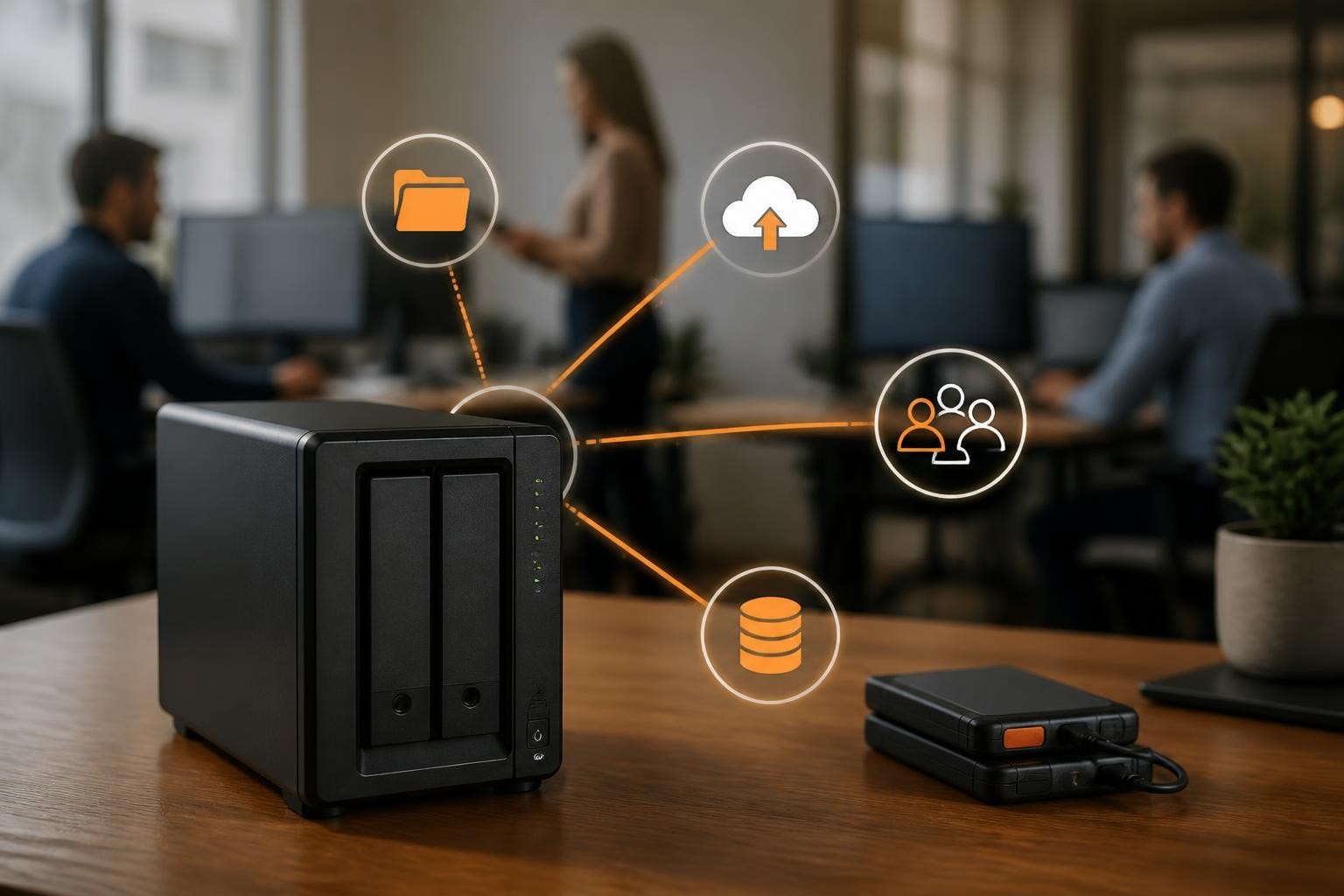
Nevertheless, modern personal cloud NAS devices, such as those reviewed by TechRadar, offer accessible entry points for smaller organisations. Furthermore, these solutions provide user-friendly interfaces whilst maintaining professional-grade capabilities.
Software Platforms and Solutions
Choosing the right software platform when you host own cloud infrastructure determines the features, security, and user experience your organisation will deliver. Moreover, open-source solutions have matured significantly, offering enterprise-grade capabilities without licensing costs. Nextcloud Hub exemplifies this trend, providing comprehensive collaboration tools alongside secure file storage.
Alternative platforms include Cloudreve, which supports multiple storage backends, and proprietary solutions offering specialised features. Therefore, organisations should evaluate platforms based on their specific requirements for file sharing, collaboration, mobile access, and integration capabilities.
Security Considerations for Self-Hosted Clouds
When businesses host own cloud infrastructure, security becomes their direct responsibility rather than a delegated concern. Furthermore, this shift requires implementing comprehensive protection measures across multiple layers. In addition, organisations must stay current with emerging threats and continuously update their defences.
Essential Security Measures
The security architecture for self-hosted clouds must address authentication, encryption, network protection, and access control. Moreover, regular security audits and penetration testing help identify vulnerabilities before exploitation. Research into forensic frameworks demonstrates the importance of systematic security approaches for self-hosted solutions.
Critical security implementations include:
- Multi-factor authentication for all user accounts
- End-to-end encryption for data at rest and in transit
- Firewall configurations restricting unauthorised access
- Regular automated backup systems with off-site storage
- Intrusion detection and prevention systems
- Security patch management and update schedules
- Activity logging and monitoring systems
Nevertheless, security extends beyond technical measures to encompass policies, procedures, and staff training. Therefore, organisations must develop comprehensive security frameworks addressing both technological and human factors.

Cost Analysis and Financial Planning
The financial implications of deciding to host own cloud infrastructure require careful analysis beyond simple equipment costs. Furthermore, organisations must consider both capital expenditures and ongoing operational expenses. In addition, comparing these costs against commercial cloud subscriptions provides essential decision-making context.
Initial Investment Requirements
Starting costs when you host own cloud systems typically include hardware procurement, software licensing (if applicable), installation labour, and initial configuration services. Moreover, organisations may need to invest in physical infrastructure such as server rooms, cooling systems, and uninterruptible power supplies. Therefore, initial investments can range from several thousand pounds for small deployments to hundreds of thousands for enterprise implementations.
Nevertheless, these upfront costs often prove economical when amortised over the system's operational lifespan. Furthermore, avoiding recurring subscription fees generates significant long-term savings. Research on cost-effective cloud storage solutions highlights the financial benefits of strategic infrastructure planning.
Ongoing Operational Expenses
| Expense Category | Monthly Cost Range | Annual Cost Range |
|---|---|---|
| Electricity | £50-£500 | £600-£6,000 |
| Internet connectivity | £100-£1,000 | £1,200-£12,000 |
| Maintenance | £200-£2,000 | £2,400-£24,000 |
| Software updates | £0-£500 | £0-£6,000 |
| Personnel time | £500-£5,000 | £6,000-£60,000 |
In addition to these direct costs, organisations must budget for periodic hardware replacements, capacity expansions, and emergency repairs. Moreover, comparing these expenses against equivalent commercial cloud services reveals the break-even point for self-hosting decisions.
Deployment Strategies and Implementation
Successfully implementing systems to host own cloud infrastructure requires methodical planning and phased execution. Furthermore, organisations benefit from establishing clear objectives, timelines, and success criteria before beginning deployment. Therefore, a structured approach minimises disruption whilst ensuring thorough implementation.
Planning Phase
The initial planning stage involves assessing current infrastructure, defining requirements, selecting platforms, and designing the target architecture. Moreover, organisations should identify key stakeholders, assign responsibilities, and establish communication protocols. In addition, creating detailed documentation ensures knowledge preservation and facilitates future maintenance.
Essential planning steps:
- Conduct thorough infrastructure audit
- Define storage capacity and performance requirements
- Evaluate compliance and regulatory obligations
- Select appropriate hardware and software platforms
- Design network topology and security architecture
- Develop migration strategy for existing data
- Create testing and validation procedures
Nevertheless, flexibility remains important as unexpected challenges often emerge during implementation. Therefore, maintaining adaptable project plans helps organisations navigate unforeseen obstacles effectively.
Migration and Testing
Migrating existing data and services to self-hosted infrastructure demands careful orchestration to maintain business continuity. Furthermore, organisations should conduct extensive testing in isolated environments before production deployment. In addition, pilot programmes involving limited user groups help identify issues whilst minimising impact.
Integrated approaches combining multiple technologies demonstrate how sophisticated self-hosted solutions can be constructed through thoughtful component selection. Moreover, staged migrations allow organisations to validate functionality incrementally whilst maintaining fallback options.
Management and Maintenance Requirements
Once operational, systems that host own cloud infrastructure require ongoing management to ensure optimal performance, security, and reliability. Furthermore, organisations must establish clear maintenance schedules, monitoring protocols, and incident response procedures. Therefore, dedicating appropriate resources to system administration becomes essential for long-term success.
Daily Operations
Routine management tasks include monitoring system health, reviewing security logs, managing user accounts, and responding to support requests. Moreover, automated monitoring tools can alert administrators to potential issues before they impact users. In addition, regular backup verification ensures data protection mechanisms function correctly.
Nevertheless, unexpected situations inevitably arise requiring immediate attention. Therefore, organisations should establish on-call procedures and escalation paths for critical incidents. Furthermore, maintaining comprehensive documentation accelerates troubleshooting and reduces resolution times.

Long-term Sustainability
Ensuring the continued viability of self-hosted infrastructure requires strategic planning for capacity growth, technology refreshes, and evolving requirements. Moreover, organisations should regularly review their architecture against emerging technologies and business needs. In addition, budgeting for periodic hardware replacements prevents unexpected capital expenditures.
For businesses seeking to host own cloud infrastructure without managing all technical complexities themselves, partnering with specialised providers offers an attractive middle path. vBoxxCloud delivers the benefits of self-hosted solutions whilst providing expert management, reducing the burden on internal IT teams. Furthermore, this approach combines data sovereignty with professional support, ensuring both control and reliability.
Privacy and Compliance Advantages
European businesses face increasingly stringent data protection requirements, making the decision to host own cloud infrastructure particularly compelling. Furthermore, self-hosting enables organisations to demonstrate compliance through direct control over data handling practices. Moreover, eliminating third-party data processors simplifies privacy impact assessments and reduces regulatory exposure.
GDPR Compliance Benefits
The General Data Protection Regulation imposes strict obligations regarding data processing, storage, and transfer. Therefore, when organisations host own cloud systems within European borders, they maintain complete control over these aspects. In addition, self-hosting eliminates concerns about international data transfers and third-party processor agreements.
Compliance advantages include:
- Direct control over data processing activities
- Simplified data protection impact assessments
- Reduced reliance on standard contractual clauses
- Enhanced ability to respond to subject access requests
- Simplified breach notification procedures
- Transparent data residency for auditing purposes
Nevertheless, organisations remain fully accountable for implementing appropriate technical and organisational measures. Therefore, self-hosting shifts responsibility rather than eliminating it, requiring robust internal governance frameworks.
Industry-Specific Requirements
Certain sectors face additional regulatory requirements beyond general data protection legislation. Moreover, healthcare organisations, financial institutions, and legal practices often encounter strict data handling mandates. Furthermore, self-hosted infrastructure enables these organisations to implement sector-specific controls that commercial cloud services may not accommodate.
Businesses interested in exploring secure, European-hosted cloud solutions can schedule a demonstration to understand how comprehensive platforms address both general and specialised compliance requirements. In addition, understanding real-world implementations through case studies provides valuable insights into practical compliance approaches.
Scalability and Future Growth
Planning to host own cloud infrastructure requires considering not just current requirements but future growth trajectories. Furthermore, scalable architectures accommodate expanding user bases, increasing data volumes, and evolving feature requirements without fundamental redesigns. Therefore, organisations should design systems with expansion capabilities from the outset.
Horizontal and Vertical Scaling
Growth can be accommodated through vertical scaling (upgrading existing systems) or horizontal scaling (adding additional systems). Moreover, distributed architectures enable horizontal scaling whilst providing improved redundancy and performance. Multi-cloud storage strategies demonstrate sophisticated approaches to distributed infrastructure that maintain reliability whilst optimising costs.
| Scaling Approach | Advantages | Disadvantages | Best For |
|---|---|---|---|
| Vertical | Simple implementation | Hardware limits | Small to medium growth |
| Horizontal | Unlimited expansion | Complex management | Large-scale growth |
| Hybrid | Balanced flexibility | Requires planning | Variable growth patterns |
Nevertheless, scaling decisions should be data-driven, based on actual usage patterns and projected growth rates. Therefore, implementing comprehensive monitoring systems provides the insights needed for informed capacity planning.
Integration with Existing Systems
Successfully implementing solutions to host own cloud infrastructure requires seamless integration with existing business systems and workflows. Furthermore, organisations typically maintain diverse technology ecosystems requiring careful coordination. In addition, proper integration ensures user adoption by maintaining familiar work patterns whilst enhancing capabilities.
API Connectivity and Automation
Modern self-hosted platforms provide extensive API access enabling integration with customer relationship management systems, enterprise resource planning software, and specialised business applications. Moreover, API connectivity facilitates automation of repetitive tasks, improving efficiency and reducing error rates. Therefore, organisations should prioritise platforms offering comprehensive integration capabilities.
Furthermore, understanding encrypted cloud service approaches helps organisations implement secure integrations that protect data throughout interconnected systems. In addition, single sign-on implementations simplify user access management across multiple platforms.
Organisations choosing to host own cloud infrastructure gain unprecedented control over their data whilst addressing privacy, security, and compliance requirements specific to their operations. The journey requires careful planning, appropriate resource allocation, and ongoing commitment to system management. Whether implementing fully independent infrastructure or partnering with specialised providers, businesses can achieve the benefits of self-hosting whilst matching their technical capabilities and strategic objectives. vBoxx delivers secure, European-hosted cloud solutions that combine the advantages of self-hosted environments with professional management and support, enabling businesses to focus on their core activities whilst maintaining data sovereignty and regulatory compliance.