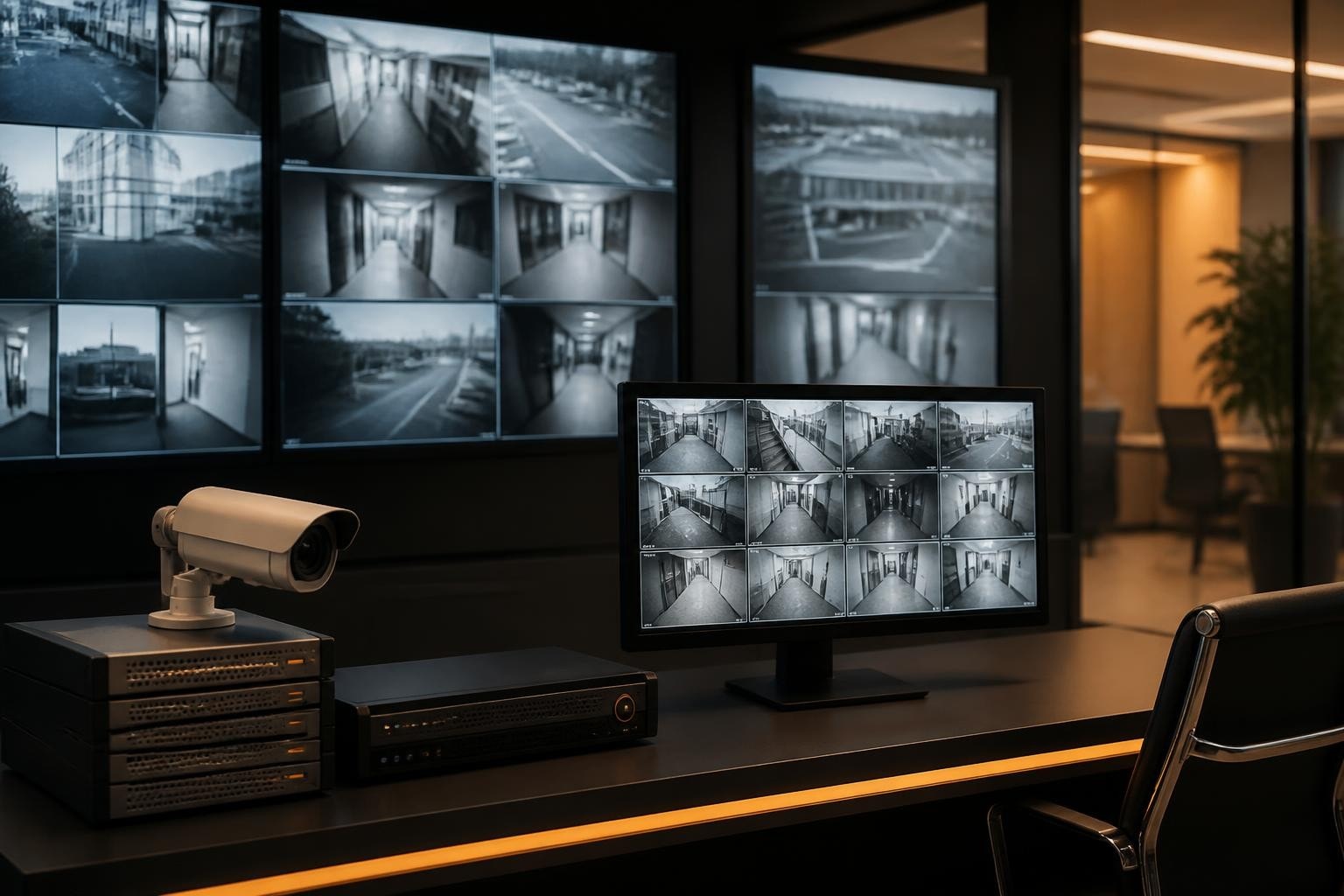

Modern businesses face unprecedented security challenges requiring comprehensive monitoring solutions. A surveillance station represents more than just cameras and recording equipment; it encompasses an integrated ecosystem of hardware, software, storage infrastructure, and network connectivity designed to protect assets, personnel, and sensitive information. Furthermore, as organisations expand their digital footprints and physical locations, understanding the technical requirements and operational considerations of these systems becomes essential for maintaining robust security postures whilst respecting privacy obligations.
Understanding Surveillance Station Architecture
A surveillance station comprises multiple interconnected components working together to capture, process, store, and retrieve video footage. At its core, the system relies on network video recorders (NVRs) or video management software platforms that coordinate camera feeds, manage storage allocation, and provide user interfaces for monitoring and playback. Moreover, modern implementations leverage cloud infrastructure to enable remote access, redundant backups, and scalable storage solutions that traditional on-premises systems struggle to match.
The network architecture supporting a surveillance station demands careful consideration. Cameras generate substantial data streams, particularly when recording at high resolutions or frame rates. Therefore, organisations must provision adequate bandwidth between cameras, recording stations, and storage repositories whilst implementing quality of service protocols to prevent network congestion during peak usage periods.
Storage Requirements and Data Management
Video surveillance generates enormous volumes of data requiring thoughtful storage planning. A single 4K camera recording continuously at 30 frames per second can produce several terabytes monthly. Consequently, businesses must calculate total storage needs based on camera counts, resolution settings, retention policies, and compression technologies employed by their surveillance station infrastructure.
| Resolution | Bitrate (Mbps) | Daily Storage (24hrs) | Monthly Storage (30 days) |
|---|---|---|---|
| 1080p | 4-6 | 43-65 GB | 1.3-2.0 TB |
| 4K | 12-20 | 130-216 GB | 3.9-6.5 TB |
| 4K (HEVC) | 8-12 | 86-130 GB | 2.6-3.9 TB |
Advanced compression algorithms like H.265 (HEVC) significantly reduce storage consumption without compromising image quality. Nevertheless, organisations should provision 20-30% additional capacity beyond calculated requirements to accommodate unexpected retention extensions, system upgrades, or investigative needs.

Network Infrastructure and Bandwidth Considerations
Implementing a distributed surveillance station across multiple locations introduces complex networking challenges. Each camera requires consistent connectivity to transmit footage to central recording systems, whilst administrators need reliable access for real-time monitoring and forensic review. In addition, organisations must balance image quality requirements against available bandwidth, particularly when operating over internet connections or linking geographically dispersed sites.
Power over Ethernet (PoE) technology simplifies deployment by delivering both data connectivity and electrical power through single network cables. This approach reduces installation costs and enables flexible camera placement without proximity constraints to power outlets. Furthermore, PoE switches with sufficient port capacity and power budgets form the foundation of reliable surveillance station networks.
Remote Access and Mobile Management
Modern surveillance station platforms provide remote access capabilities enabling security personnel to monitor facilities from any location. Mobile applications deliver live camera feeds, motion alerts, and playback functionality to smartphones and tablets, transforming how organisations respond to security incidents. However, these conveniences introduce authentication, encryption, and access control challenges that demand careful configuration.
Secure remote access requires robust authentication mechanisms including multi-factor verification, role-based permissions, and encrypted communication channels. Organisations should implement VPN connections or dedicated security gateways rather than exposing surveillance station interfaces directly to the internet. Moreover, maintaining detailed audit logs of remote access sessions supports compliance requirements and incident investigations.
The encrypted cloud service approach ensures that remote surveillance data remains protected during transmission and storage, addressing common vulnerabilities associated with internet-connected security systems.
Privacy Regulations and Compliance Obligations
Deploying a surveillance station carries significant legal responsibilities regarding personal data protection and privacy rights. The General Data Protection Regulation (GDPR) establishes strict requirements for organisations processing video footage containing identifiable individuals. Therefore, businesses must conduct data protection impact assessments, implement appropriate technical safeguards, and maintain transparent documentation of their surveillance practices.
Key compliance requirements include:
- Clearly posted signage informing individuals of video surveillance
- Documented legitimate interests justifying surveillance deployment
- Restricted access controls limiting footage viewing to authorised personnel
- Defined retention periods with automated deletion protocols
- Privacy-by-design principles embedded throughout system architecture
- Data subject access request procedures enabling individuals to obtain their footage
The Bay Area transit system’s oversight policy demonstrates how public organisations increasingly establish governance frameworks requiring transparency and community involvement before deploying surveillance technologies. Furthermore, these policies reflect growing recognition that technological capabilities must balance with privacy protections and democratic accountability.
Data Retention Policies and Automated Deletion
Surveillance station administrators must establish clear retention schedules aligned with legal obligations, operational requirements, and storage capacity constraints. Whilst some jurisdictions mandate minimum retention periods for specific industries, organisations should avoid indefinite storage of footage absent compelling justification. Automated deletion protocols ensure compliance whilst reducing storage costs and minimising data breach exposure.
Tiered retention strategies offer practical solutions balancing accessibility with efficiency. Recent footage (7-30 days) remains on high-performance storage enabling rapid retrieval, whilst older recordings migrate to archival systems with reduced access speeds but lower costs. Nevertheless, incidents or investigations may require retention holds preventing scheduled deletions until matters resolve.
Integration with Security Operations
A surveillance station achieves maximum effectiveness when integrated with broader security infrastructure and operational procedures. Video analytics platforms detect unusual activities, count individuals, identify loitering behaviour, or recognise licence plates, transforming passive recording into proactive threat detection. In addition, integration with access control systems, intrusion detection sensors, and alarm panels creates comprehensive security ecosystems responding intelligently to incidents.
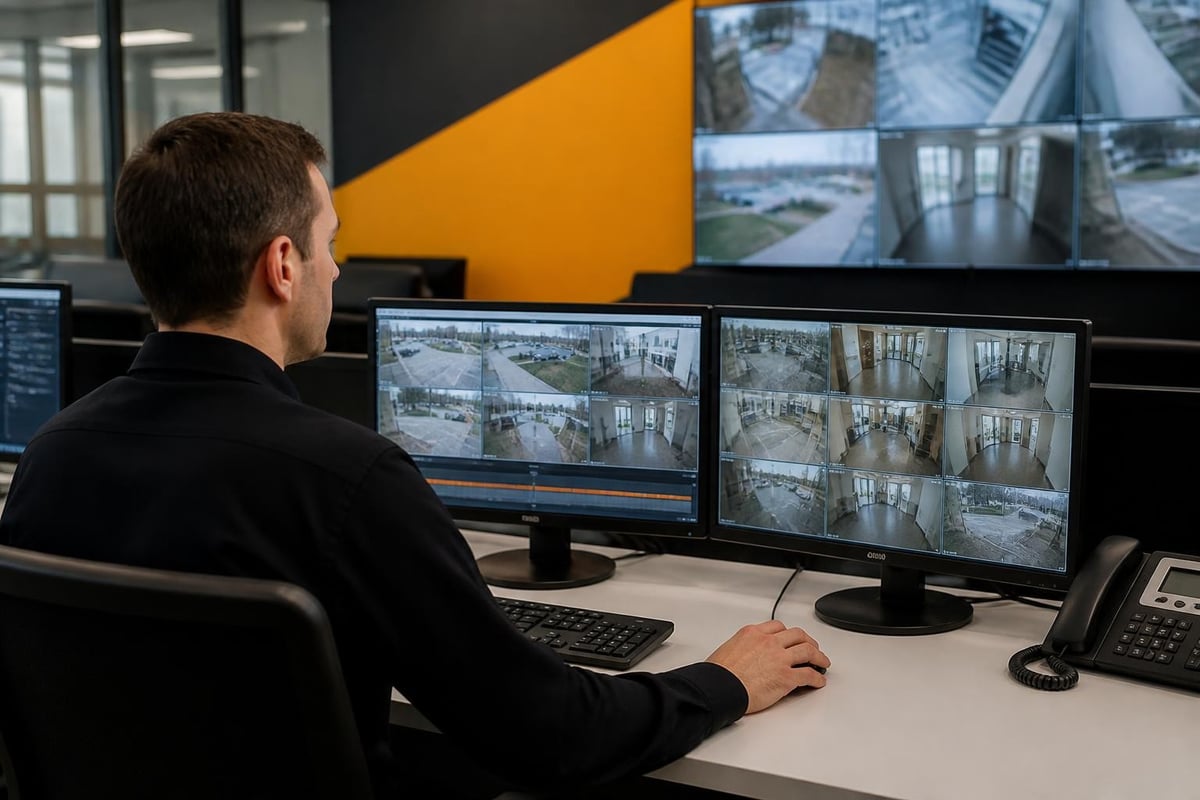
Security operations centres leverage surveillance station footage alongside multiple data sources to maintain situational awareness and coordinate responses. Operators monitor live feeds, investigate alerts generated by analytics engines, and retrieve historical footage supporting incident investigations. Moreover, standardised procedures ensure consistent handling of security events whilst documented escalation paths enable appropriate decision-making during critical situations.
Analytics and Artificial Intelligence Applications
Modern surveillance station platforms incorporate artificial intelligence capabilities transforming video analysis. Machine learning algorithms identify specific objects, track movement patterns, detect abandoned items, or recognise faces depending on system capabilities and organisational requirements. However, these powerful technologies raise significant ethical considerations requiring thoughtful governance frameworks.
| Analytics Feature | Business Application | Privacy Consideration |
|---|---|---|
| Motion Detection | Reduce storage, trigger alerts | Limited personal data processing |
| Object Classification | Inventory monitoring, safety compliance | Depends on object categories |
| Facial Recognition | Access control, person identification | High privacy impact, strict controls needed |
| Behaviour Analysis | Crowd management, anomaly detection | Requires transparent policies |
The increasing sophistication of surveillance technologies, as demonstrated by Syrenna’s WaterDrone for underwater monitoring, illustrates how specialised applications extend beyond traditional security contexts. Nevertheless, businesses must evaluate whether advanced analytics align with legitimate operational needs rather than implementing capabilities simply because technology enables them.
Physical Security and Hardware Protection
Surveillance station infrastructure requires physical protection preventing tampering, theft, or unauthorised access. Network video recorders, storage arrays, and network equipment should reside in secured locations with restricted entry controls. Furthermore, cameras themselves need weatherproof housings, vandal-resistant enclosures, and backup power supplies maintaining operation during electrical outages.
Environmental monitoring ensures surveillance station equipment operates within manufacturer specifications. Temperature extremes, humidity fluctuations, and dust accumulation degrade components reducing system reliability. Therefore, proper ventilation, climate control, and regular maintenance schedules extend equipment lifespan whilst preventing unexpected failures during critical incidents.
The vulnerabilities of unsecured IP surveillance cameras highlight consequences of inadequate security configurations. Default passwords, unencrypted streams, and exposed management interfaces create entry points for malicious actors potentially compromising entire networks beyond surveillance systems themselves.
Redundancy and Disaster Recovery
Mission-critical surveillance station deployments require redundancy preventing single points of failure. Redundant Array of Independent Disks (RAID) configurations protect against drive failures, whilst dual network paths maintain connectivity during switch outages. In addition, organisations should implement off-site backup repositories ensuring footage preservation even if primary facilities experience catastrophic events.
Disaster recovery planning addresses scenarios ranging from equipment failures to natural disasters destroying physical infrastructure. Documented recovery procedures, tested restoration processes, and geographically distributed backup copies enable rapid resumption of surveillance capabilities following disruptions. Moreover, cloud-based surveillance station architectures inherently provide redundancy through distributed infrastructure managed by specialised providers.

Cloud versus On-Premises Deployment Models
Organisations face fundamental architectural decisions when implementing surveillance station infrastructure. Traditional on-premises deployments provide complete control over equipment, data, and access policies but require significant capital investment and ongoing maintenance expertise. Conversely, cloud-based solutions offer scalability, redundancy, and reduced upfront costs whilst introducing third-party data custody considerations.
Hybrid architectures combine advantages of both approaches. Local recording ensures immediate footage availability and network independence whilst cloud replication provides disaster recovery capabilities and remote access functionality. Furthermore, edge computing strategies process video analytics locally reducing bandwidth consumption and cloud storage costs.
For organisations prioritising data sovereignty and security, the vBoxx demonstration showcases how European cloud infrastructure supports surveillance station storage requirements whilst maintaining strict privacy protections and compliance with regional regulations.
Cost Analysis and Total Ownership Considerations
Comprehensive cost evaluation extends beyond initial hardware purchases to encompass ongoing operational expenses. On-premises surveillance station deployments require:
- Capital expenditure for cameras, recording equipment, and storage infrastructure
- Network infrastructure upgrades supporting bandwidth requirements
- Physical security for equipment locations
- Electricity consumption for continuous operation
- Maintenance contracts and replacement component inventory
- IT personnel managing systems and troubleshooting issues
Cloud-based alternatives typically employ subscription pricing models with per-camera monthly fees covering hosting, storage, and platform features. Nevertheless, organisations must evaluate long-term costs recognising that monthly fees accumulate substantially over multi-year deployments potentially exceeding on-premises total ownership costs.
Emerging Trends and Future Developments
Surveillance station technology continues evolving rapidly with several trends shaping future deployments. Edge computing moves processing closer to cameras reducing bandwidth requirements and enabling real-time analytics without central infrastructure dependencies. Moreover, 5G connectivity enables wireless camera deployments in locations where network cabling proves impractical or cost-prohibitive.
The expanding use of drone surveillance for monitoring demonstrates how mobile platforms complement fixed surveillance station installations. Furthermore, these aerial systems provide temporary coverage during special events, construction projects, or emergency responses whilst avoiding permanent infrastructure installation.
Privacy-enhancing technologies represent another significant development trajectory. Techniques like on-device processing, anonymisation filters, and selective redaction enable organisations to maintain security capabilities whilst minimising personal data collection. In addition, blockchain-based audit trails provide tamper-evident records of footage access supporting compliance documentation and forensic investigations.
The historical context provided by Snowden’s revelations about mass surveillance continues influencing public discourse around surveillance technologies. Therefore, organisations must engage transparently with stakeholders explaining surveillance purposes, limitations, and safeguards maintaining social licence for legitimate security applications.
Implementation Best Practices
Successful surveillance station deployment requires methodical planning addressing technical, operational, and governance dimensions. Initial site surveys identify camera placement optimising coverage whilst minimising blind spots and privacy intrusions into adjacent properties. Moreover, pilot installations validate configurations before full-scale rollouts preventing costly mistakes requiring remediation.
Training programmes ensure personnel understand system capabilities, operational procedures, and privacy obligations. Operators require proficiency navigating surveillance station interfaces, responding to alerts, and retrieving footage supporting investigations. Furthermore, regular refresher training maintains competency as systems evolve and new features deploy.
Documentation standards establish consistent practices across surveillance station operations. Standard operating procedures guide routine tasks, incident response protocols, and maintenance activities. In addition, configuration documentation supports troubleshooting, disaster recovery, and knowledge transfer when personnel transitions occur.
Vendor Selection and System Integration
Choosing surveillance station platforms involves evaluating numerous factors beyond camera specifications and recording capabilities. Open standards like ONVIF ensure interoperability between manufacturers preventing vendor lock-in and enabling incremental upgrades. Nevertheless, organisations should prioritise vendors demonstrating commitment to security updates, privacy features, and long-term platform sustainability.
Integration capabilities determine how effectively surveillance stations connect with existing security infrastructure. Application programming interfaces (APIs) enable custom integrations whilst pre-built connectors simplify linkages with common access control, alarm, and building management systems. Moreover, organisations should verify compatibility with identity management platforms ensuring consistent authentication across security tools.
The challenges experienced at Harvard Station with forgotten surveillance equipment underscore importance of asset management practices tracking surveillance station components throughout their lifecycle. Therefore, comprehensive inventories, maintenance schedules, and decommissioning procedures prevent abandoned equipment creating security vulnerabilities or privacy concerns.
Operational Challenges and Solutions
Surveillance station operators encounter various challenges impacting system effectiveness. False alarms from motion detection algorithms triggered by weather conditions, animals, or lighting changes create alert fatigue reducing operator responsiveness to genuine incidents. Therefore, careful tuning of detection parameters, analytics training, and environmental considerations improve accuracy.
Storage capacity management requires ongoing attention preventing recording interruptions when drives reach capacity. Automated monitoring alerts administrators to storage consumption trends enabling proactive expansion before space exhaustion occurs. Furthermore, archival procedures migrate historical footage to lower-cost storage whilst maintaining accessibility for potential future requirements.
Network performance degradation impacts surveillance station reliability particularly during bandwidth-intensive activities. Quality of service configurations prioritise surveillance traffic ensuring consistent camera connectivity even when networks experience congestion. In addition, dedicated surveillance network segments isolate camera traffic from general business communications improving security and performance predictability.
Implementing effective surveillance station infrastructure demands careful attention to technical architecture, regulatory compliance, and operational governance whilst balancing security requirements against privacy obligations. As organisations navigate these complexities, partnering with experienced providers ensures robust implementation supporting long-term business objectives. vBoxx delivers secure cloud infrastructure, encrypted storage solutions, and privacy-focused hosting services enabling businesses to build surveillance systems meeting the highest security and compliance standards.