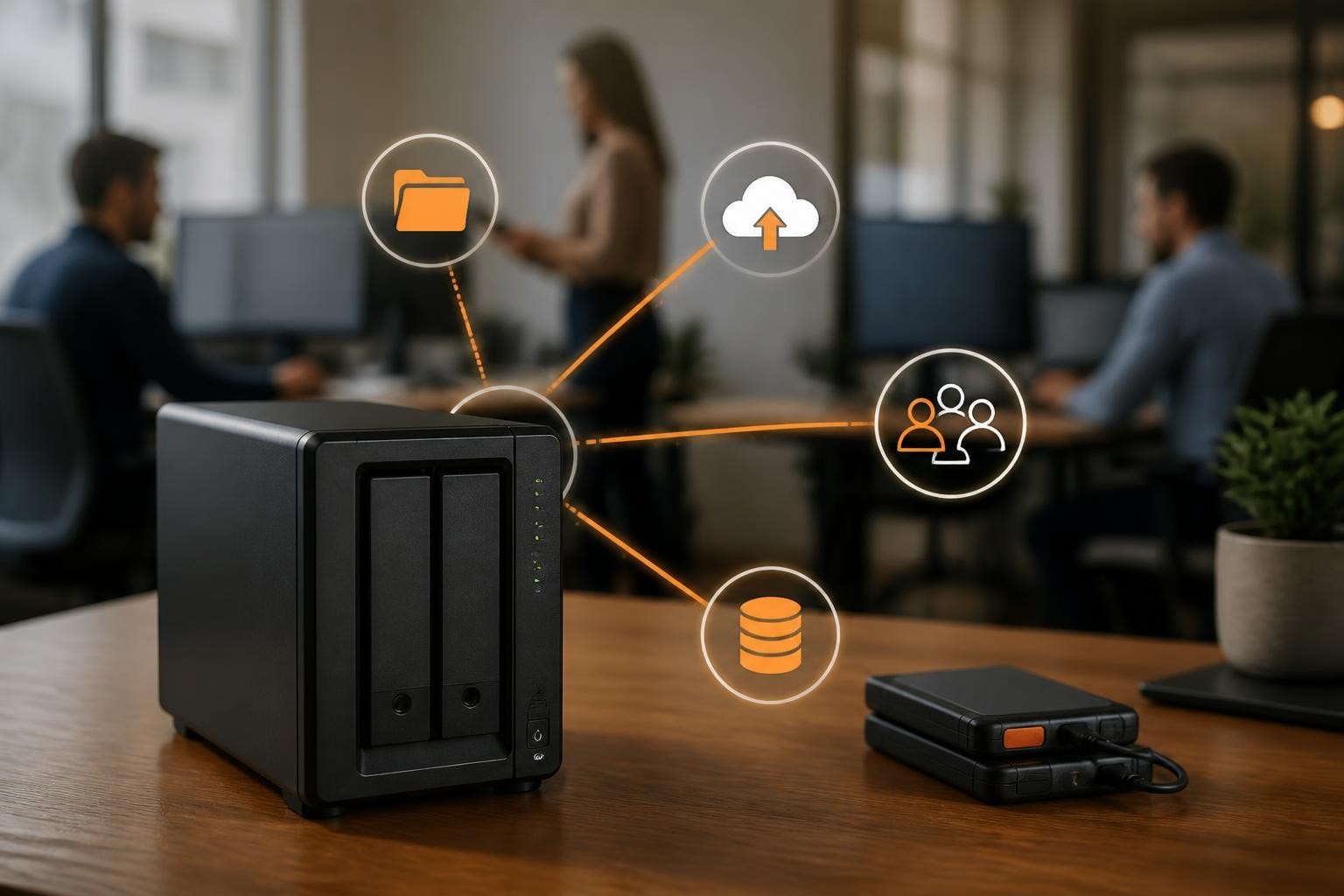
The use of data centers has become fundamental to business operations across every sector, powering everything from email communication to sophisticated cloud platforms. Furthermore, as organisations increasingly rely on digital infrastructure for their core activities, understanding how data centers function and their broader implications has become essential for informed decision-making. Nevertheless, the rapid expansion of these facilities has brought both opportunities and challenges, particularly concerning energy consumption, environmental sustainability, and operational efficiency.
The Fundamental Role of Data Centers in Business Operations
Data centers serve as the backbone of modern digital infrastructure, housing the servers, storage systems, and networking equipment that enable businesses to operate effectively. Moreover, these facilities provide the physical environment necessary to maintain the hardware that powers cloud services, websites, applications, and data storage solutions.
The use of data centers extends across multiple business functions:
- Email and communication platforms requiring constant availability
- Cloud storage and file sharing systems for collaborative work
- Database management supporting customer relationships and operations
- Application hosting for both internal and customer-facing services
- Backup and disaster recovery solutions ensuring business continuity
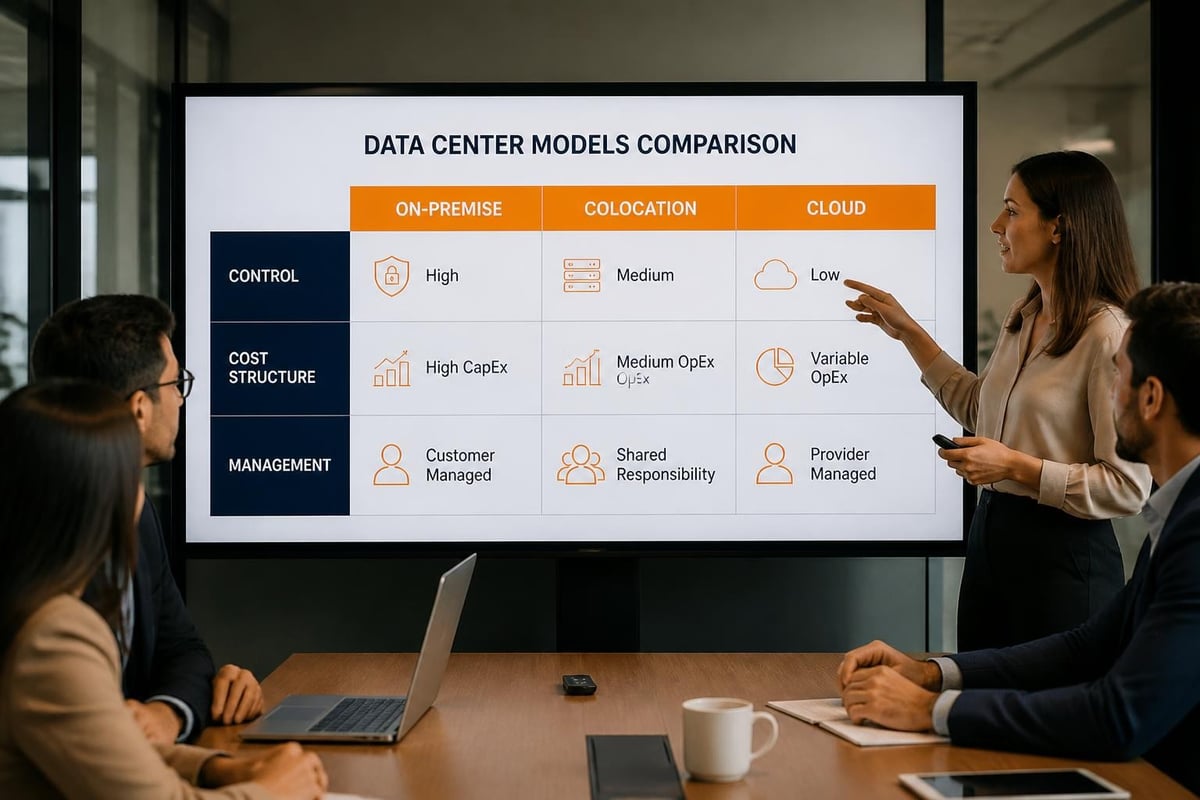
In addition, organisations must consider various deployment models when evaluating their data center strategy. Some businesses operate on-premise facilities, whilst others leverage colocation services or rely entirely on cloud providers who manage large-scale data centers. Therefore, the decision involves weighing factors such as control, cost, security requirements, and technical expertise.
Infrastructure Components and Their Functions
The physical infrastructure within data centers comprises several critical systems working in harmony. Power distribution units ensure reliable electricity supply, whilst cooling systems maintain optimal temperatures for equipment operation. Furthermore, fire suppression systems, physical security measures, and redundant networking connections all contribute to the reliable use of data centers.
| Infrastructure Component | Primary Function | Business Impact |
|---|---|---|
| Power Systems | Uninterruptible electricity supply | Prevents downtime and data loss |
| Cooling Infrastructure | Temperature and humidity control | Extends hardware lifespan |
| Network Connectivity | High-speed data transmission | Enables cloud services and remote access |
| Security Systems | Physical and digital protection | Safeguards sensitive information |
| Backup Generators | Emergency power provision | Ensures continuity during outages |
Nevertheless, the complexity of these systems requires substantial expertise to maintain and optimise. Many businesses therefore partner with specialist providers who can deliver enterprise-grade infrastructure without the capital investment required for building proprietary facilities.
Energy Consumption and Environmental Considerations
The use of data centers has attracted increasing scrutiny due to their substantial energy requirements. According to recent analysis on data center energy consumption, these facilities account for a significant portion of global electricity usage, with artificial intelligence workloads driving unprecedented demand. Moreover, AI data centers are draining more power than the grid can provide, creating challenges for utilities and raising questions about sustainability.
Energy Efficiency Strategies
Forward-thinking organisations are implementing various strategies to improve the energy efficiency of their data center operations. The U.S. Department of Energy provides comprehensive guidance on designing efficient facilities, emphasising approaches that reduce consumption without compromising performance.
Key efficiency measures include:
- Implementing advanced cooling technologies such as liquid cooling and free air systems
- Optimising server utilisation through virtualisation and workload consolidation
- Deploying energy-efficient hardware with lower power requirements
- Monitoring Power Usage Effectiveness (PUE) to track improvement
- Utilising renewable energy sources to reduce carbon footprint
In addition, the concept of green hosting has gained traction among businesses seeking to minimise environmental impact. Therefore, selecting providers who prioritise sustainable practices can align technology infrastructure with broader corporate responsibility goals.
The Growing Backlash Against Data Center Expansion
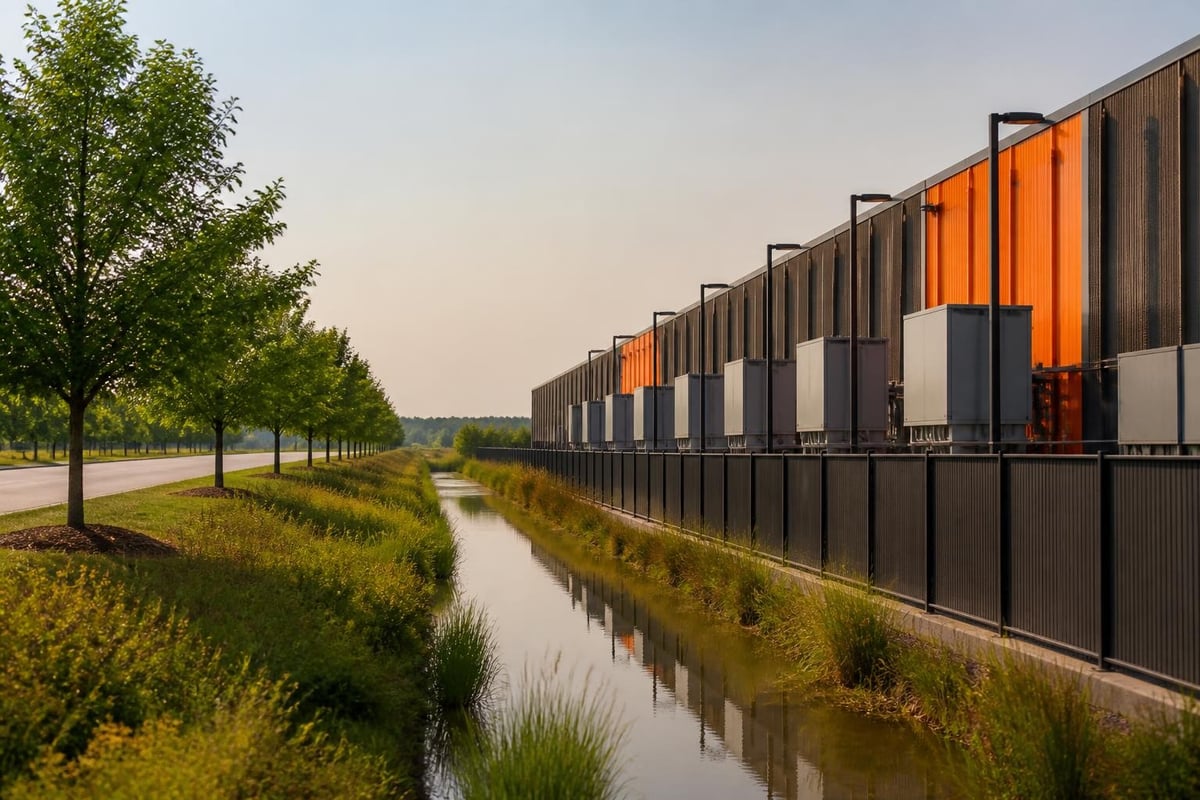
Public opposition to new data center projects has intensified, particularly in communities concerned about resource consumption. Furthermore, data center backlash has resulted in project cancellations and regulatory challenges across multiple regions. Local residents cite concerns about water usage, increased energy demand on local grids, and environmental degradation.
Moreover, extreme heat exacerbates these concerns, particularly in areas already facing climate-related challenges. Consequently, the use of data centers in certain regions requires careful consideration of community impact and environmental stewardship.
Strategic Considerations for Business Decision-Makers
When evaluating data center options, organisations must balance numerous factors to ensure their infrastructure supports business objectives whilst managing costs and risks effectively. Nevertheless, the complexity of these decisions often requires specialist guidance.
Performance and Reliability Requirements
The use of data centers directly impacts application performance, user experience, and business continuity. Therefore, organisations must establish clear requirements for:
- Uptime guarantees typically measured in percentage terms (99.9%, 99.99%, etc.)
- Latency requirements for applications serving users across different regions
- Scalability to accommodate growth without significant disruption
- Redundancy levels ensuring systems remain operational during failures
- Compliance capabilities meeting industry-specific regulatory requirements
In addition, businesses must consider the geographical distribution of data centers. Moreover, selecting facilities located closer to end users improves performance, whilst multiple locations provide disaster recovery capabilities.
Security and Data Protection
Security represents a paramount concern in the use of data centers, as these facilities house sensitive business information and customer data. Furthermore, comprehensive security encompasses both physical measures and digital safeguards.
| Security Layer | Protection Measures | Risk Mitigation |
|---|---|---|
| Physical | Biometric access, surveillance, security personnel | Prevents unauthorised physical access |
| Network | Firewalls, intrusion detection, DDoS protection | Blocks malicious traffic and attacks |
| Data | Encryption at rest and in transit | Protects confidential information |
| Operational | Access controls, audit logging, monitoring | Ensures accountability and detection |
| Compliance | Certifications, regular audits, policy enforcement | Meets regulatory requirements |
Nevertheless, security extends beyond the data center itself. Organisations must also ensure secure connectivity between their offices and data center infrastructure, implementing virtual private networks and other protective measures.
Optimising Costs and Operational Efficiency
The financial implications of data center use extend well beyond initial setup costs. Therefore, businesses must adopt a total cost of ownership perspective, considering ongoing operational expenses, maintenance requirements, and potential expansion needs.
Cost Components and Management Strategies
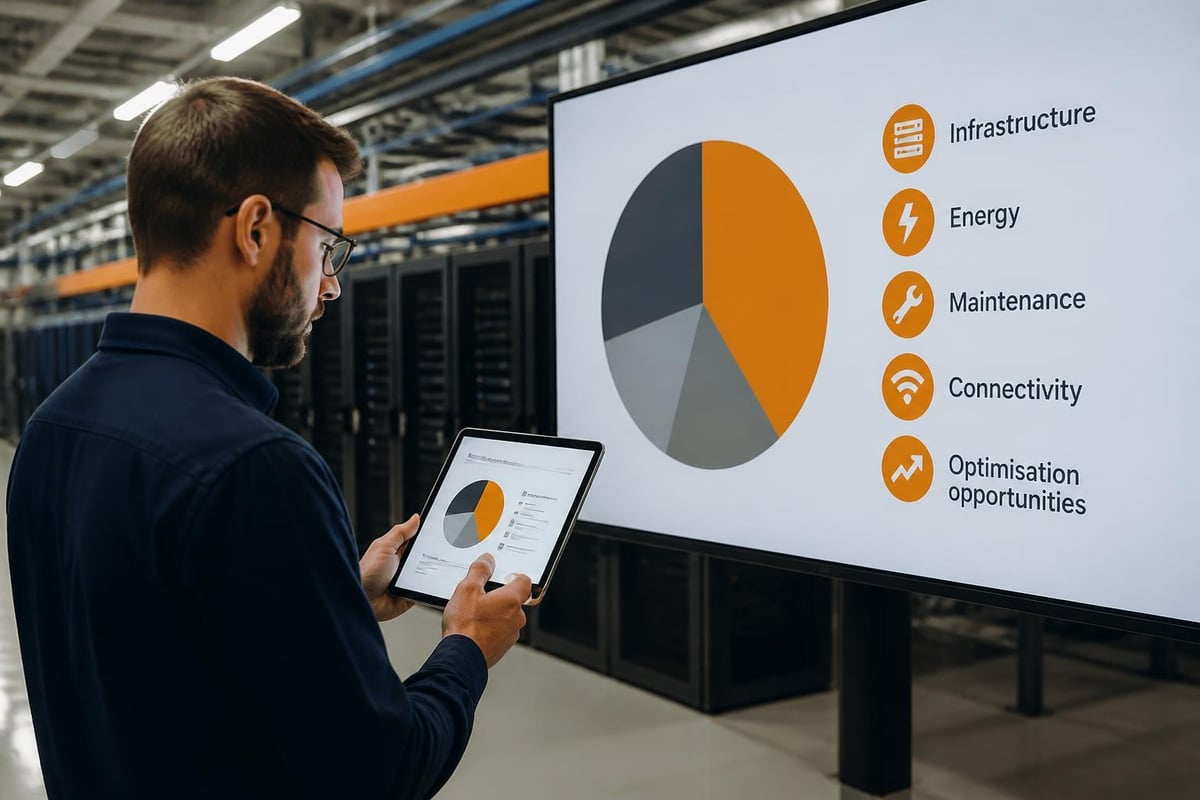
Understanding the various cost elements enables more effective budgeting and optimisation:
- Infrastructure costs including servers, storage, and networking equipment
- Power consumption representing a substantial ongoing expense
- Cooling expenses necessary for maintaining operational temperatures
- Bandwidth charges for data transfer and connectivity
- Maintenance and support ensuring systems remain operational
- Security measures protecting against physical and digital threats
Furthermore, businesses can reduce costs through various optimisation strategies. Virtualisation consolidates workloads onto fewer physical servers, reducing both hardware requirements and energy consumption. Moreover, implementing automated monitoring and management tools minimises the need for manual intervention whilst improving responsiveness to issues.
Leveraging Cloud Solutions for Flexible Infrastructure
The use of data centers through cloud service providers offers businesses significant advantages in terms of flexibility and cost management. In addition, cloud platforms eliminate the need for substantial capital investment in physical infrastructure whilst providing access to enterprise-grade facilities.
For organisations seeking to streamline their digital infrastructure, exploring integrated solutions can provide clarity on available options. A demonstration of all-in-one platforms can illustrate how cloud storage, communication tools, and security features work together within professional data center environments.
Nevertheless, cloud adoption requires careful planning to ensure appropriate service levels, data governance, and cost control. Therefore, businesses should evaluate providers based on their specific requirements rather than adopting a one-size-fits-all approach.
The Evolution of Data Center Technology
Technological advancement continues reshaping the use of data centers, with innovations addressing both performance demands and efficiency concerns. Furthermore, emerging technologies promise to transform how these facilities operate and the services they provide.
Artificial Intelligence and Edge Computing
The rise of artificial intelligence has introduced new challenges for data center infrastructure. Moreover, Time to Token has become the new battleground for data centers, emphasising the need for rapid processing capabilities to support AI workloads effectively.
In addition, edge computing represents a fundamental shift in data center architecture, distributing processing closer to where data is generated and consumed. This approach offers several benefits:
- Reduced latency for time-sensitive applications
- Lower bandwidth requirements by processing data locally
- Improved privacy through decentralised data handling
- Enhanced reliability with less dependence on central facilities
- Better performance for geographically distributed users
Nevertheless, edge computing introduces complexity in management and coordination. Therefore, organisations must balance the benefits against the operational challenges of maintaining distributed infrastructure.
Sustainability Innovations
The environmental impact of data center operations has spurred innovation in sustainable technologies. Furthermore, facilities are increasingly adopting renewable energy sources, implementing waste heat recovery systems, and exploring novel cooling approaches that reduce water consumption.
Moreover, industry-leading providers are achieving carbon neutrality through various means, including direct renewable energy procurement, carbon offset programmes, and energy-efficient design principles. Therefore, businesses concerned with environmental responsibility can prioritise partners demonstrating genuine commitment to sustainability.
Compliance and Regulatory Frameworks
The use of data centers intersects with numerous regulatory requirements, particularly concerning data protection and privacy. Furthermore, organisations operating in multiple jurisdictions must navigate complex compliance landscapes that vary by region and industry.
Data Sovereignty and Location Requirements
Data sovereignty regulations mandate that certain types of information remain within specific geographical boundaries. Moreover, businesses serving European customers must consider General Data Protection Regulation (GDPR) requirements, which impose strict controls on personal data handling and transfer.
Key compliance considerations include:
- Data residency requirements specifying where information must be stored
- Cross-border transfer restrictions limiting international data movement
- Industry-specific regulations such as financial services or healthcare standards
- Audit and reporting obligations demonstrating compliance to authorities
- Breach notification requirements mandating timely disclosure of security incidents
In addition, selecting data center providers with appropriate certifications simplifies compliance efforts. Nevertheless, ultimate responsibility for data protection remains with the organisation, regardless of infrastructure arrangements.
Business Continuity and Disaster Recovery
Effective use of data centers includes comprehensive planning for business continuity and disaster recovery. Therefore, organisations must develop strategies ensuring critical systems remain accessible even during significant disruptions.
| Recovery Metric | Definition | Business Impact |
|---|---|---|
| Recovery Time Objective (RTO) | Maximum acceptable downtime | Determines infrastructure redundancy needs |
| Recovery Point Objective (RPO) | Maximum acceptable data loss | Influences backup frequency and methods |
| Mean Time to Recovery (MTTR) | Average time to restore service | Affects customer satisfaction and revenue |
| Mean Time Between Failures (MTBF) | Average operational time between issues | Indicates infrastructure reliability |
Furthermore, testing disaster recovery procedures regularly ensures they function as intended when needed. Moreover, businesses should maintain geographically separated backup facilities to protect against regional disasters affecting primary locations.
Making Informed Infrastructure Decisions
The strategic use of data centers requires careful evaluation of business requirements, technical capabilities, and long-term objectives. Furthermore, organisations must remain adaptable as technology evolves and business needs change over time.
Evaluating Provider Capabilities
When selecting data center partners, businesses should assess multiple dimensions of capability and reliability:
- Technical infrastructure quality and redundancy levels
- Geographic coverage and network connectivity options
- Security certifications and compliance capabilities
- Service level agreements with clear performance guarantees
- Support quality and responsiveness to issues
- Pricing transparency and cost predictability
- Sustainability practices and environmental commitment
In addition, references from existing customers provide valuable insights into provider performance and reliability. Nevertheless, organisations should conduct thorough due diligence rather than relying solely on marketing materials.
Future-Proofing Infrastructure Investments
The rapid pace of technological change makes future-proofing particularly challenging for data center decisions. Therefore, businesses should prioritise flexibility and scalability when evaluating options.
Moreover, adopting open standards and avoiding proprietary lock-in enables easier migration between providers if circumstances change. Furthermore, cloud-based approaches typically offer greater flexibility than traditional on-premise infrastructure, allowing businesses to adjust capacity based on actual needs.
The use of data centers fundamentally shapes how businesses operate in the digital economy, influencing everything from daily communications to strategic capabilities. Therefore, selecting appropriate infrastructure partners and approaches requires careful consideration of performance, security, sustainability, and cost factors. vBoxx delivers secure, sustainable hosting and cloud solutions designed specifically for European businesses, combining enterprise-grade data center infrastructure with green hosting practices and comprehensive privacy protections. Moreover, our integrated platform provides the reliable digital foundation your organisation needs to thrive in an increasingly connected world.