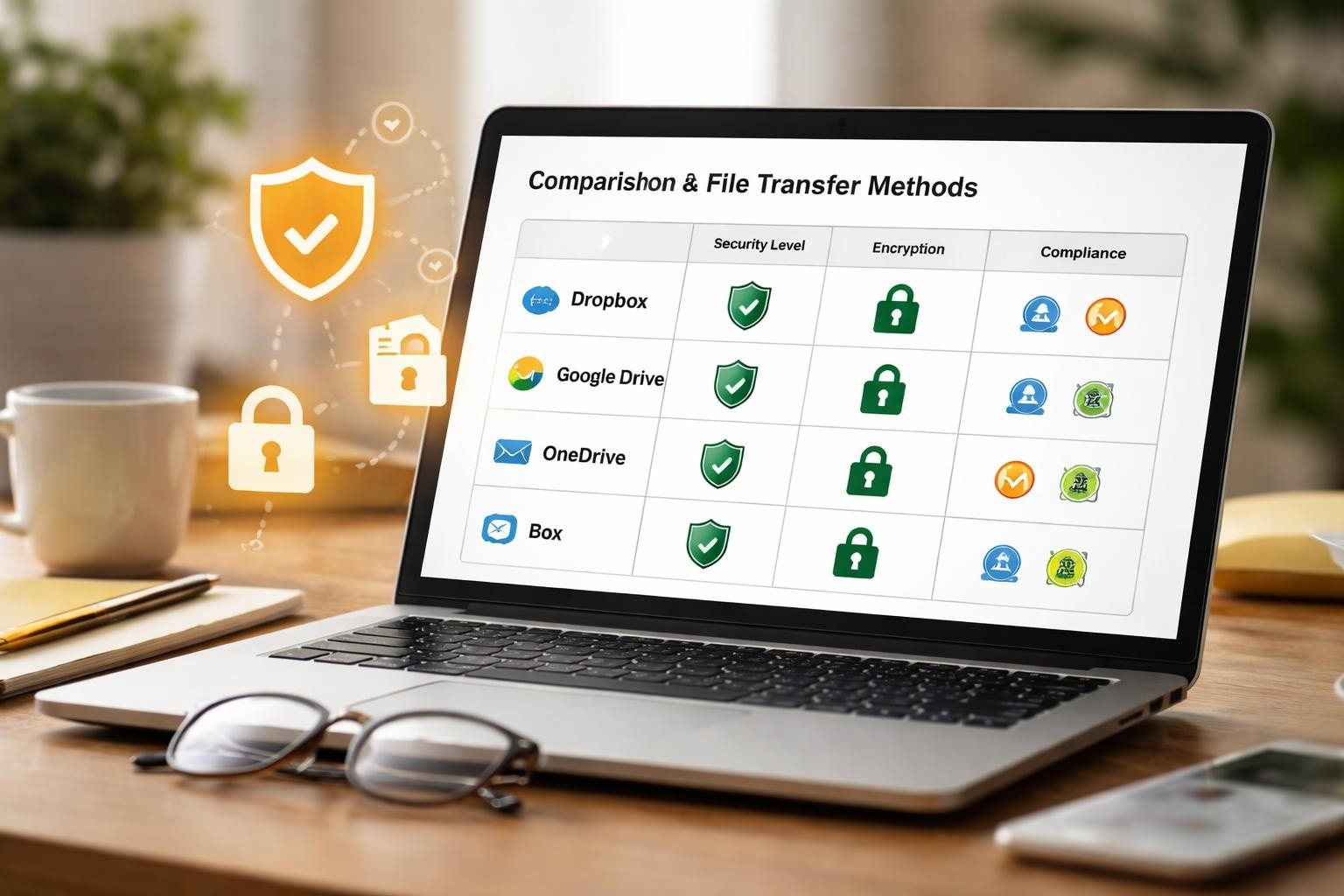

When businesses need to share large files, many instinctively reach for WeTransfer due to its simplicity and widespread recognition. However, the platform’s limitations in security, compliance, and control over data have prompted organisations to seek more robust solutions. Therefore, finding the right alternative to WeTransfer requires understanding your organisation’s specific needs regarding data protection, retention policies, and regulatory compliance. In this context, this comprehensive guide explores professional file-sharing platforms that deliver enterprise-grade security while also maintaining ease of use.
Why Organisations Are Seeking a WeTransfer Alternative
WeTransfer has built its reputation on simplicity, offering quick file transfers without requiring account creation. Yet this convenience comes with significant trade-offs that many businesses can no longer afford to make.
Security concerns represent the primary driver behind the search for alternatives. WeTransfer’s security vulnerabilities have become increasingly evident, particularly around encryption standards and phishing risks. The platform lacks end-to-end encryption, meaning files are potentially accessible during transit and storage. Furthermore, cybercriminals have exploited WeTransfer links in sophisticated phishing campaigns, making recipients wary of legitimate transfers.
Compliance requirements also push organisations towards more controlled solutions. Industries handling sensitive information need platforms that meet specific regulatory standards:
- GDPR compliance for European data protection
- HIPAA certification for healthcare information
- SOC 2 attestation for security controls
- Industry-specific retention and audit requirements
Data sovereignty concerns add another dimension. Many organisations require certainty about where their data resides physically, particularly when operating across international borders. WeTransfer’s temporary storage model and limited transparency around data location create governance challenges.
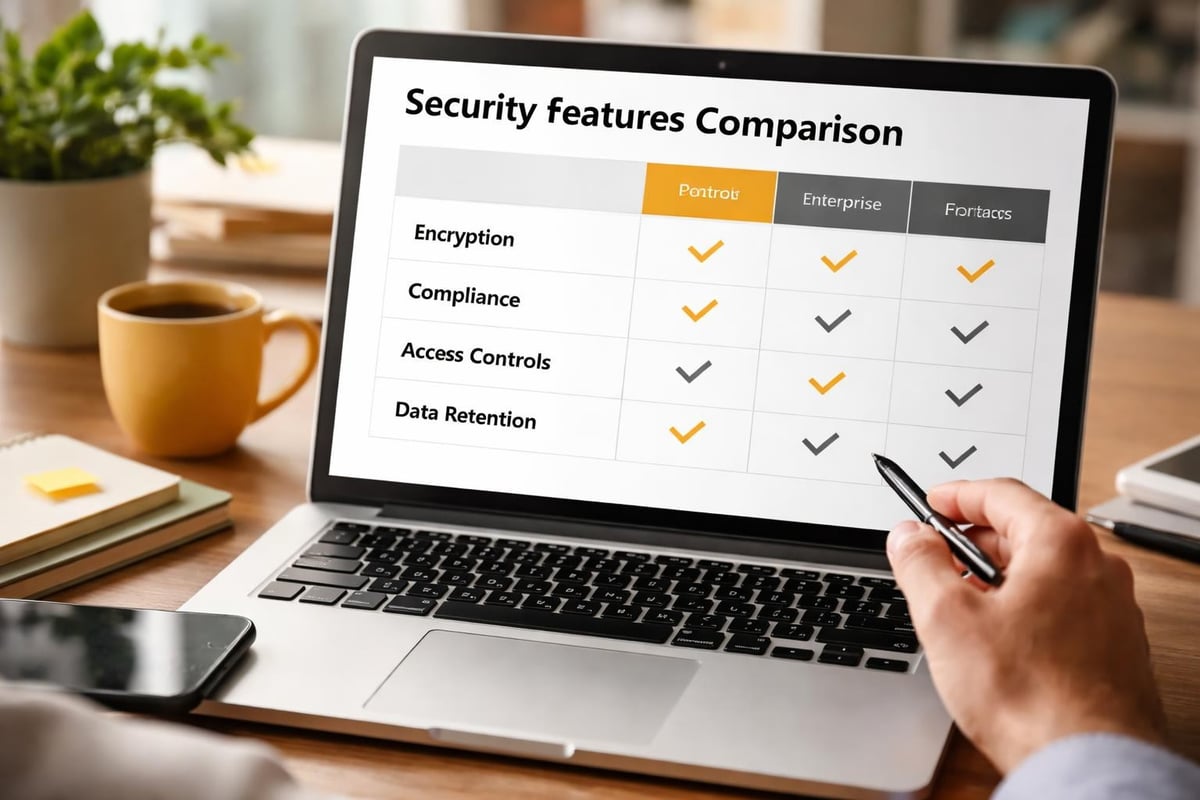
Essential Features in a Professional File Transfer Solution
Selecting an alternative to WeTransfer demands careful evaluation of features that support business operations whilst maintaining security standards.
Advanced Security Controls
Encryption standards form the foundation of secure file sharing. Look for platforms offering:
- End-to-end encryption for files in transit and at rest
- Zero-knowledge architecture where providers cannot access your data
- Client-side encryption before files leave your infrastructure
- Granular encryption key management options
Access control mechanisms determine who can view, download, or share files. Professional platforms provide role-based permissions, password protection for individual transfers, expiration dates for links, and detailed activity logs showing who accessed files and when.
Storage and Transfer Capabilities
| Feature | Basic Need | Professional Requirement |
|---|---|---|
| File Size Limit | 2-5 GB | 50 GB+ or unlimited |
| Storage Duration | 7-14 days | Custom retention policies |
| Transfer Speed | Standard | Optimised global CDN |
| Concurrent Transfers | Limited | Unlimited team usage |
Professional environments require flexibility beyond temporary transfers. Permanent storage options, version control, and integration with existing workflows become critical considerations.
Collaboration and Integration
Modern file-sharing platforms must integrate seamlessly with existing business tools. Consider solutions that connect with:
- Email clients for direct sharing from your inbox
- Project management platforms for workflow integration
- CRM systems for client file management
- Authentication systems like Active Directory or SAML
Real-time collaboration features, commenting capabilities, and notification systems enhance team productivity whilst maintaining security boundaries.
Top Secure Alternatives for Business Use
The market offers numerous platforms designed specifically for business file sharing, each of which has distinct strengths that are suited to different organisational needs. Therefore, businesses must evaluate features, security measures, and integration capabilities to ensure they select the most appropriate solution.
Enterprise Cloud Storage Platforms
Established cloud storage providers offer comprehensive alternatives that extend beyond simple file transfer. These platforms combine storage, sharing, and collaboration in integrated environments.
Microsoft OneDrive and Google Drive provide familiar interfaces with robust security for organisations already invested in those ecosystems. Both offer enterprise-grade encryption, compliance certifications, and administrative controls. However, their convenience comes with questions about data privacy and potential access by platform providers.
Dropbox Business has evolved from consumer origins into a sophisticated business platform. Advanced sharing controls, detailed audit logs, and extensive third-party integrations make it suitable for collaborative environments. The platform’s focus on user experience maintains simplicity whilst adding necessary security layers.
Dedicated Secure File Transfer Services
Specialised platforms prioritise security and compliance above convenience, serving organisations with stringent requirements.
Several alternatives focus specifically on secure file exchange. These platforms typically offer features like:
- Custom branding for professional presentation
- Advanced access controls and permissions
- Detailed audit trails and compliance reporting
- White-label options for client-facing transfers
Tresorit distinguishes itself through zero-knowledge encryption, ensuring not even the service provider can access your files. This approach appeals particularly to legal firms, healthcare organisations, and financial services requiring absolute confidentiality.
FileInvite takes a different approach, focusing on collecting files securely from external parties. This reverse workflow suits businesses that regularly receive confidential documents from clients or partners.
Self-Hosted and Private Cloud Solutions
Organisations seeking maximum control increasingly turn to self-hosted alternatives. These solutions place data entirely within your infrastructure, addressing sovereignty concerns whilst providing customisable security.
Nextcloud represents the leading open-source option, offering file sharing, collaboration tools, and extensive customisation. Businesses can deploy Nextcloud on their own servers or through trusted hosting providers, maintaining complete control over data location and access.
ownCloud provides similar capabilities with a focus on enterprise deployments. Both platforms support end-to-end encryption, detailed permissions, and integration with existing authentication systems.
Self-hosted solutions require greater technical expertise but deliver unmatched control. According to TechRadar’s analysis, these platforms increasingly attract organisations that have experienced data breaches or compliance violations with public cloud services.
Evaluating Security Standards and Compliance
When assessing any alternative to WeTransfer, a thorough security evaluation should follow a structured approach that carefully considers multiple dimensions of data protection. In particular, organisations must examine encryption standards, access controls, and compliance with relevant regulations to ensure robust protection.
Encryption and Data Protection
Understanding encryption implementation separates genuinely secure platforms from those offering superficial protection.
Transport encryption (TLS/SSL) protects files during transfer but leaves them potentially accessible on servers. Most platforms, including WeTransfer, provide this baseline protection. At-rest encryption secures stored files, though the platform provider typically holds decryption keys. End-to-end encryption ensures only authorised recipients can decrypt files, with keys never accessible to the platform.
Zero-knowledge architecture takes this further by encrypting data client-side before upload. The service provider stores encrypted data without possessing decryption keys, making it technically impossible for them to access your files, even under legal pressure.
Regulatory Compliance Verification
Compliance certifications provide independent validation of security practices. Relevant standards include:
| Certification | Relevance | Key Requirements |
|---|---|---|
| ISO 27001 | Information security management | Comprehensive security controls and risk management |
| SOC 2 Type II | Service organisation controls | Security, availability, confidentiality over time |
| GDPR Compliance | EU data protection | Data subject rights, processing transparency |
| HIPAA | Healthcare information | Protected health information safeguards |
Request attestation reports and audit documentation rather than accepting compliance claims at face value. Understanding privacy policies helps identify how platforms handle, process, and potentially monetise your data.
Data Sovereignty and Jurisdiction
Physical data location carries legal implications. Files stored in certain jurisdictions may be subject to government access requests under local laws. European organisations often require data remain within EU borders to maintain GDPR compliance. Some sectors mandate domestic data storage for national security information.
Investigate whether platforms offer:
- Guaranteed data location in specific regions
- Data centre transparency and certifications
- Clear policies on government data requests
- Ability to enforce data residency requirements
Cost-Benefit Analysis for Business Implementation
Evaluating file transfer solutions requires balancing immediate costs with long-term value, security benefits, and operational efficiency. In particular, organisations should consider total cost of ownership, potential risk reduction, and productivity gains to make informed decisions.
Pricing Models and Hidden Costs
File-sharing platforms typically employ one of several pricing structures:
Per-user licensing charges monthly or annual fees for each team member. This model provides predictable costs and often includes unlimited storage or high limits. However, costs scale directly with team size.
Storage-based pricing charges according to data volume stored. This suits organisations with small teams but large files. Watch for additional charges for bandwidth, API calls, or advanced features.
Freemium models offer basic functionality at no cost with limitations on file size, storage duration, or transfer frequency. Business use quickly exceeds free tier limits, and security concerns make free options unsuitable for confidential information.
Consider hidden costs including:
- Integration development and maintenance
- User training and change management
- Administrative overhead for user management
- Compliance audit and documentation time
Return on Investment Factors
Quantifying ROI for secure file sharing involves both tangible and intangible benefits.
Productivity improvements emerge from streamlined workflows, reduced email attachment handling, and faster file access. Teams spending hours managing file transfers, re-sending expired links, or troubleshooting version conflicts reclaim significant time with proper platforms.
Risk mitigation represents substantial value. A single data breach costs organisations an average of millions in remediation, regulatory fines, and reputational damage. Investing in secure alternatives to WeTransfer significantly reduces this exposure.
Competitive advantage accrues to organisations demonstrating robust security practices. Clients increasingly require vendors to meet specific security standards, and secure file sharing often appears in procurement requirements and security questionnaires.
Implementation Best Practices for Seamless Transition
Successfully migrating from WeTransfer or other ad-hoc file sharing requires careful planning, clear communication, and ongoing support. Moreover, establishing a structured migration process ensures minimal disruption, smooth adoption, and continued data security throughout the transition.
Migration Planning
Begin with a comprehensive audit of current file-sharing practices. First, identify who shares files, with whom, how frequently, and what types of information move through these channels. Consequently, this baseline reveals usage patterns and helps size your new solution appropriately.
Data migration considerations include:
- Whether historical transfers need preservation
- How to handle active links during transition
- Archival requirements for compliance
- Integration with existing file repositories
Establish clear timelines with phases for pilot testing, department rollout, and organisation-wide deployment. Gradual implementation allows refinement based on real-world feedback whilst minimising disruption.

User Training and Adoption
Technology succeeds only when users embrace it. Effective training combines multiple approaches:
- Hands-on workshops for power users and administrators
- Self-service video tutorials for common tasks
- Quick reference guides for frequent operations
- Regular tips highlighting underutilised features
Address resistance proactively by emphasising benefits relevant to each user group. Executives care about compliance and risk reduction. End users value convenience and reliability. IT teams appreciate security controls and reduced support burden.
For organisations seeking guidance on implementing secure cloud solutions, a demonstration all-in-one session can provide valuable insights into integrated approaches that combine file sharing, secure email, and password management under unified security frameworks.
Ongoing Management and Optimisation
Deployment marks the beginning, not the end, of effective file-sharing management.
Establish governance policies covering:
- Who can create external shares and under what conditions
- Default and maximum link expiration periods
- Approved use cases versus prohibited activities
- Data classification and appropriate sharing methods
Monitor usage metrics to identify adoption barriers, security risks, or training gaps. Regular audits of active shares, user permissions, and external access ensure policies translate into practice.
Specialised Solutions for Specific Industries
Certain sectors face unique requirements that generic file-sharing platforms often struggle to address adequately. For example, industries handling sensitive data such as healthcare, finance, or legal services require enhanced security, compliance features, and audit capabilities. Therefore, organisations must select solutions tailored to their specific regulatory and operational needs.
Healthcare and Medical Services
HIPAA compliance mandates specific safeguards for protected health information. Healthcare organisations require platforms offering:
- Business associate agreements accepting liability for breaches
- Comprehensive audit logs tracking all access to patient data
- Encryption meeting NIST standards
- Access controls preventing unauthorised viewing
Medical imaging presents particular challenges due to massive file sizes. Solutions must handle multi-gigabyte transfers reliably whilst maintaining strict security controls.
Legal and Professional Services
Law firms handle extremely confidential client information under strict ethical obligations. File-sharing platforms for legal use must provide:
Evidence-grade audit trails documenting exactly who accessed what information and when. These logs must be tamper-proof and admissible in legal proceedings.
Matter-based organisation allows segregating files by client and case, with permissions reflecting need-to-know principles. Chinese walls between practice groups prevent conflicts of interest.
Client portals enable secure bidirectional exchange of documents with clients, providing a professional alternative to email attachments whilst maintaining security.
Financial Services and Banking
Financial institutions face rigorous regulatory oversight from multiple authorities. Their file-sharing requirements include:
| Requirement | Implementation |
|---|---|
| Data loss prevention | Content inspection and blocking of sensitive information |
| Retention policies | Automated archival meeting regulatory timeframes |
| Privileged access management | Elevated controls for administrator activities |
| Incident response | Rapid containment and reporting capabilities |
Best practices for file transfer in regulated industries emphasise layered security, with multiple controls working together to prevent, detect, and respond to potential breaches.
Privacy Considerations and Data Ethics
Beyond compliance requirements, organisations increasingly consider the broader ethical implications of their technology choices. In particular, decisions around data privacy, user consent, and environmental impact are shaping technology adoption. Therefore, businesses must evaluate not only regulatory compliance but also the ethical consequences of their platforms and practices.
Platform Data Practices
Recent controversies highlight the importance of understanding how file-sharing platforms use customer data. WeTransfer faced backlash over terms suggesting user data might train AI models, demonstrating that even established platforms may change policies in ways affecting privacy.
When evaluating any alternative to WeTransfer, examine:
- Whether platforms claim ownership or licensing rights over uploaded content
- If metadata, usage patterns, or file contents feed analytics or AI training
- How data is handled after account deletion
- Third-party data sharing for advertising or partnerships
Choose providers with transparent, user-respecting policies that align with your organisation’s values and client commitments.
Sustainable Technology Choices
Environmental impact increasingly influences technology decisions. Data centres consume enormous energy, and file transfer generates significant carbon emissions through storage and bandwidth.
Sustainable alternatives incorporate:
Green hosting powered by renewable energy sources reduces the carbon footprint of file storage and transfer. Some providers offset emissions through verified carbon credits or invest in environmental projects.
Efficient infrastructure with optimised data compression, deduplication, and intelligent tiering reduces unnecessary storage and energy consumption whilst maintaining performance.
Transparent reporting allows organisations to understand and account for the environmental impact of their digital activities, supporting broader sustainability goals.
For businesses prioritising both security and environmental responsibility, platforms combining robust protection with green hosting practices deliver aligned solutions. vBoxx’s approach demonstrates how secure cloud services can integrate sustainability into their core infrastructure without compromising performance or security.
Technical Integration and API Capabilities
Modern businesses require file sharing that integrates seamlessly with existing systems rather than operating as an isolated tool.
API and Automation Options
Robust APIs enable programmatic file operations, automating repetitive tasks and connecting file sharing with broader workflows.
RESTful APIs should support:
- Uploading files directly from applications
- Generating secure share links programmatically
- Managing permissions and access controls
- Retrieving activity logs and usage metrics
- Webhook notifications for file events
Automation reduces manual effort whilst improving security consistency. Scripts can automatically apply appropriate security controls based on file classification, notify stakeholders when files are accessed, and enforce retention policies without human intervention.
Single Sign-On and Identity Management
Centralised authentication simplifies user management whilst strengthening security. SSO integration using SAML, OAuth, or OpenID Connect allows users to access file-sharing platforms with their existing corporate credentials.
Benefits include:
- Immediate access provisioning when employees join
- Automatic deprovisioning when staff depart
- Consistent password policies across systems
- Reduced credential fatigue and password reuse
- Centralised audit trails linking activity to verified identities
Multi-factor authentication adds additional protection, requiring something you know (password) plus something you have (mobile device) or something you are (biometric) for access.
Workflow and Productivity Tool Integration
File sharing reaches maximum utility when embedded within existing work processes. Leading platforms integrate with:
Email systems allowing secure sharing directly from Outlook or Gmail, replacing risky attachments with secure links that maintain control even after sending.
Project management tools like Asana, Jira, or Monday.com enabling file attachment to tasks and projects without duplicating storage or creating version confusion.
CRM platforms connecting customer-related files directly to account records, ensuring sales and support teams access current information without searching multiple systems.
Choosing the right alternative to WeTransfer ultimately depends on balancing security requirements, compliance obligations, user experience, and budget constraints specific to your organisation. By prioritising platforms that offer robust encryption, transparent data practices, and flexible deployment options, businesses can establish file-sharing infrastructure that protects sensitive information whilst supporting productive collaboration. vBoxx provides secure cloud solutions designed specifically for organisations requiring enterprise-grade security, privacy protection, and sustainable hosting practices, offering an integrated approach to file storage, secure communication, and data management that addresses the limitations of consumer-focused transfer services.