
Small and medium enterprises face an unprecedented cybersecurity landscape in 2026. While large corporations invest millions in dedicated security teams, SMEs often struggle with limited budgets and resources, which makes them prime targets for cybercriminals. Therefore, understanding cybersecurity for SME operations isn’t merely a technical consideration; instead, it’s a fundamental business survival requirement. In fact, the statistics paint a sobering picture: over 60% of small businesses close within six months of a significant cyber attack. Consequently, this guide explores practical, actionable strategies that SMEs can implement to protect their digital assets, maintain customer trust, and ensure business continuity in an increasingly hostile cyber environment.
Understanding the SME Cybersecurity Threat Landscape
The cyber threat environment has evolved dramatically, with attackers increasingly targeting smaller organisations that lack robust defences. Many SMEs operate under the dangerous assumption that their size makes them uninteresting to cybercriminals, but this couldn’t be further from reality.
Common threats facing SMEs include:
- Ransomware attacks encrypting critical business data
- Phishing campaigns targeting employees and executives
- Business email compromise schemes
- Supply chain vulnerabilities
- Unpatched software exploits
- Insider threats from current or former employees
Cybercriminals view SMEs as low-hanging fruit. These organisations often possess valuable customer data, financial information, and intellectual property whilst maintaining weaker security postures than enterprise-level businesses. Additionally, SMEs frequently serve as entry points to larger organisations through supply chain connections.
The Financial Impact of Cyber Incidents
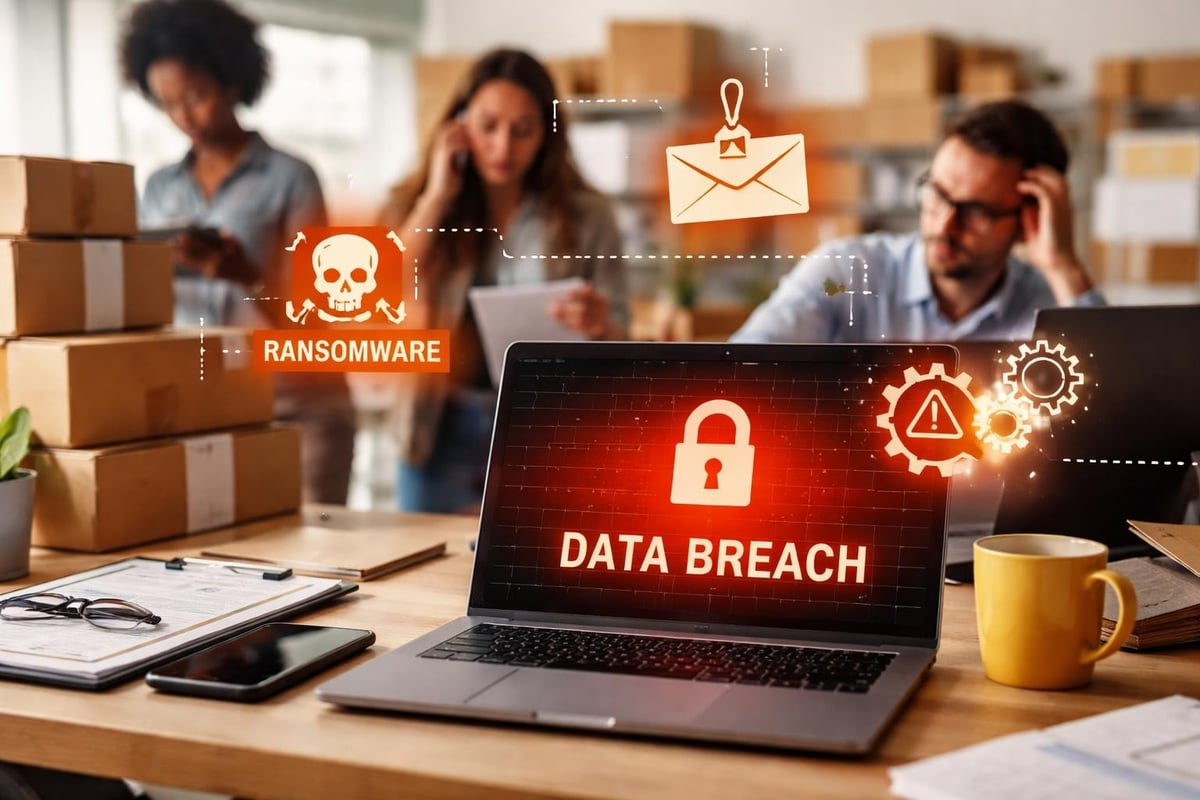
Beyond immediate financial losses from theft or ransom payments, cyber incidents carry substantial hidden costs. Business interruption can halt revenue generation for days or weeks, whilst recovery efforts drain resources and management attention.
| Cost Category | Typical Impact | Duration |
|---|---|---|
| Immediate Response | £10,000-£50,000 | 24-72 hours |
| Recovery & Remediation | £25,000-£150,000 | 2-8 weeks |
| Regulatory Fines | £0-£500,000+ | Ongoing |
| Reputational Damage | 20-40% customer loss | 6-24 months |
| Legal Costs | £15,000-£100,000 | 3-18 months |
Reputation damage proves particularly devastating. Trust, painstakingly built over years, can evaporate overnight following a data breach. Customers hesitate to share information with organisations that have demonstrated security vulnerabilities.
Building a Strategic Cybersecurity Foundation
Effective cybersecurity for SME operations requires moving beyond reactive measures toward strategic planning. As highlighted in recent industry analysis, SMEs must transition from viewing security as a cost centre to recognising it as a strategic business enabler.
Risk Assessment and Prioritisation
Begin with a comprehensive assessment of your digital assets and vulnerabilities. Identify what data you hold, where it resides, who accesses it, and what would happen if it were compromised or lost.
Key assessment areas:
- Data inventory: Customer records, financial data, intellectual property, employee information
- Infrastructure mapping: Servers, cloud services, endpoints, network connections
- Access controls: User permissions, authentication methods, privileged accounts
- Third-party connections: Suppliers, partners, service providers
- Regulatory requirements: GDPR, industry-specific compliance mandates
Not all assets require equal protection levels. Prioritise resources toward safeguarding your most critical and sensitive information. A customer database demands stronger controls than general marketing materials.
Developing Security Policies and Procedures
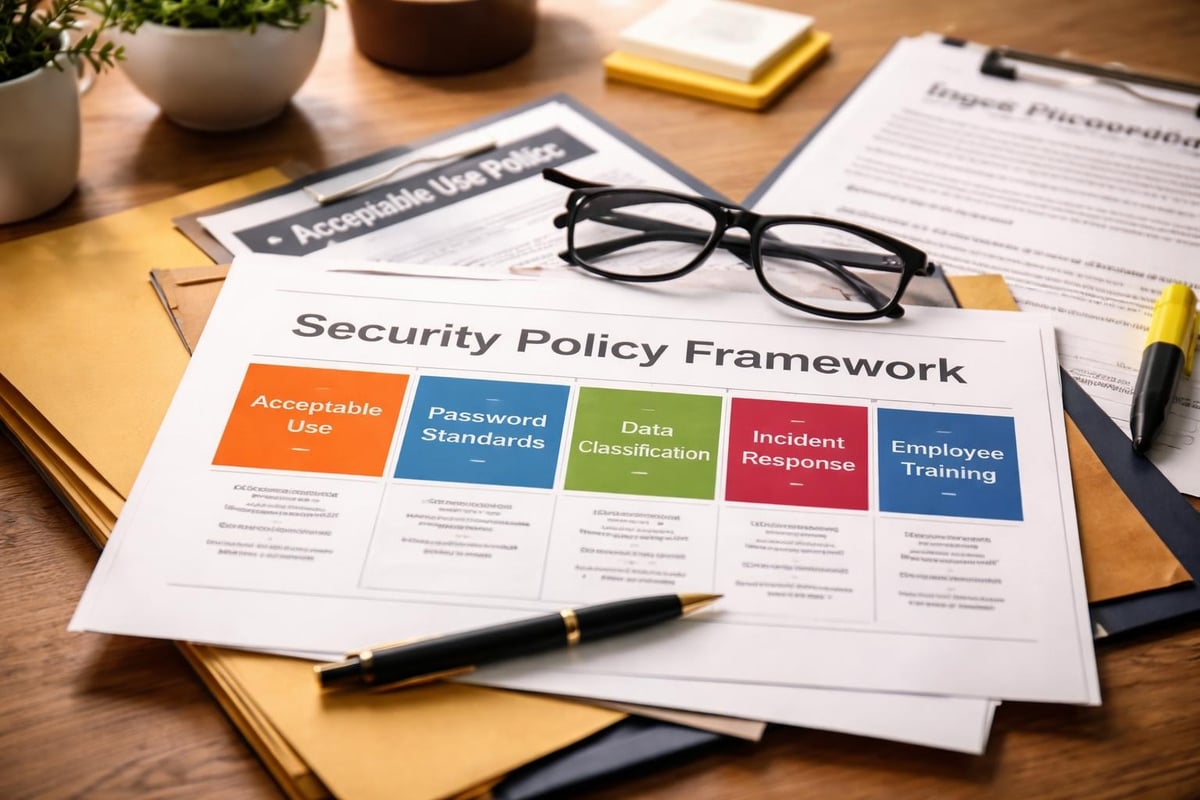
Documentation provides the foundation for consistent security practices. In particular, well-crafted policies guide employee behaviour, establish accountability, and demonstrate due diligence to regulators and customers.
For example, essential policies include acceptable use guidelines, password requirements, data classification standards, incident response procedures, and remote work security protocols. Furthermore, it is important to keep documentation practical and accessible, rather than creating extensive manuals that nobody reads.
Implementing Technical Security Controls
Theory means little without practical implementation. Therefore, cybersecurity for SME environments requires carefully selected technical controls that balance protection with usability and budget constraints. In particular, choosing the right controls ensures effective security while also maintaining operational efficiency and cost-effectiveness.
Essential Security Technologies
Rather than overwhelming limited budgets with enterprise-grade solutions, SMEs should focus on fundamental security technologies that deliver maximum protection relative to investment.
| Technology | Purpose | Implementation Priority |
|---|---|---|
| Next-generation firewalls | Network perimeter defence | Critical |
| Endpoint protection | Device-level threat detection | Critical |
| Email security | Phishing and malware filtering | Critical |
| Multi-factor authentication | Identity verification | High |
| Encrypted backups | Data recovery capability | High |
| Vulnerability scanning | Weakness identification | Medium |
| Security information and event management | Threat monitoring | Medium |
Organisations should consider frameworks specifically designed for SMEs that provide proportionate security measures without requiring enterprise-level resources or expertise.
Securing Cloud Infrastructure
Many SMEs have migrated operations to cloud platforms, thereby creating new security considerations. While cloud providers handle infrastructure security, customers remain responsible for protecting their data and applications.
Therefore, when evaluating cloud services, prioritise providers with strong security credentials, transparent practices, and compliance certifications. For example, solutions like encrypted cloud storage ensure that data remains protected both in transit and at rest, with encryption keys under your control rather than the provider’s.
Additionally, regular configuration reviews prevent common cloud security mistakes. Specifically, misconfigured storage buckets, overly permissive access controls, and disabled logging features create vulnerabilities that attackers actively scan for and exploit.
Human-Centred Security Strategies
Technology alone cannot solve cybersecurity challenges. Employees represent both the greatest vulnerability and the most powerful defence in any security programme. According to Microsoft’s recent guidance, human factors contribute to over 80% of successful breaches.
Security Awareness Training
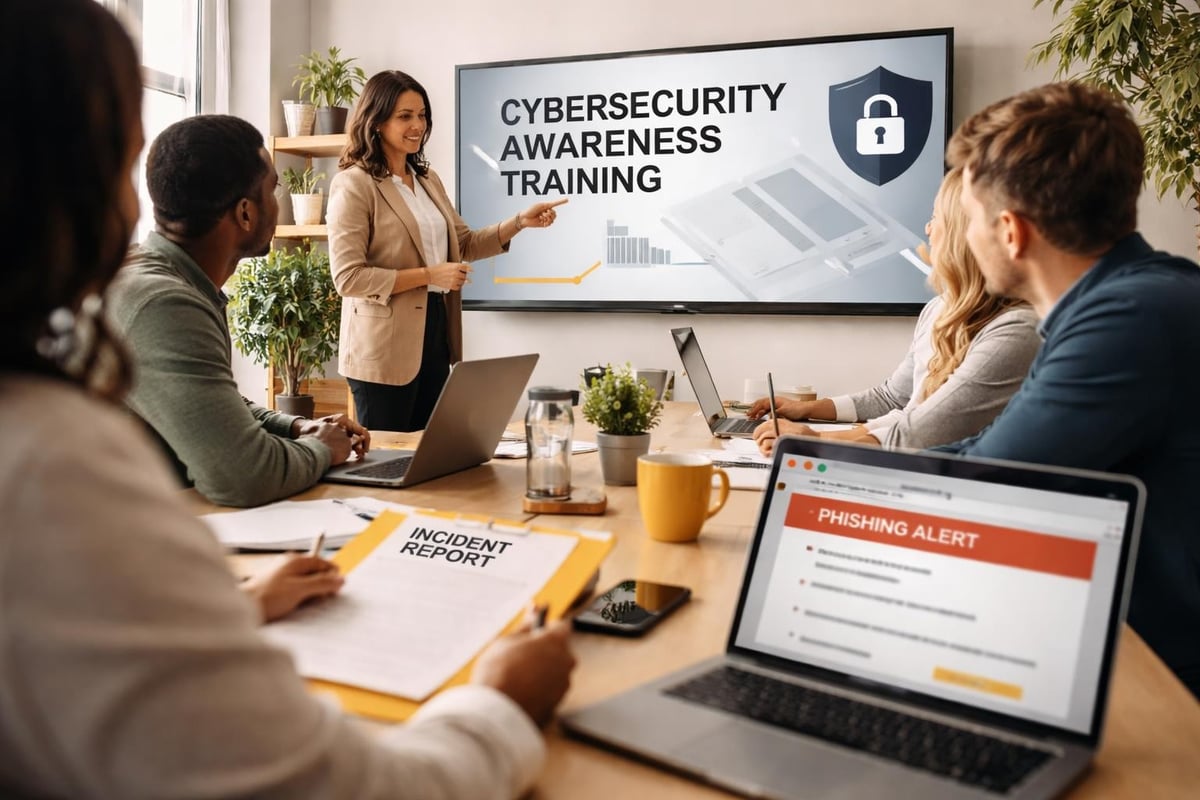
Regular, engaging training transforms employees from security liabilities into vigilant defenders. Move beyond annual compliance exercises toward continuous, relevant education that addresses real-world scenarios employees encounter daily.
Effective training approaches include:
- Simulated phishing exercises testing recognition skills
- Short, focused modules covering specific topics
- Role-based training addressing department-specific risks
- Interactive scenarios requiring decision-making
- Regular updates on emerging threats and tactics
Make reporting suspicious activity easy and rewarding rather than embarrassing. Employees who fear criticism won’t report potential incidents until damage has occurred.
Creating a Security-Conscious Culture
Culture change requires leadership commitment and consistent messaging. When executives visibly prioritise security, follow established protocols, and allocate adequate resources, employees recognise its genuine importance.
Celebrate security wins, whether an employee reporting a phishing attempt or successful completion of a security audit. Recognition reinforces desired behaviours and maintains engagement with security initiatives.
Data Protection and Privacy Compliance
Regulatory compliance intersects closely with cybersecurity for SME operations. Regulations like GDPR mandate specific security measures whilst imposing substantial penalties for failures protecting personal data.
Implementing Data Protection Principles
Privacy by design integrates protection into business processes from inception rather than bolting it on afterwards. Consider data minimisation: collect only information genuinely needed for specified purposes. Less data means reduced risk exposure.
Core protection practices:
- Encryption: Protect sensitive data at rest and in transit
- Access controls: Limit information access to authorised personnel
- Data retention: Delete information when no longer required
- Audit logging: Track who accessed what data and when
- Breach notification: Establish procedures for incident reporting
Understanding online storage encryption helps ensure that customer and business data remains protected even if storage systems are compromised.
Vendor and Third-Party Risk Management
Your security posture extends beyond your organisation to every supplier, contractor, and partner with system access or data exposure. Third-party breaches frequently compromise organisations with otherwise strong security programmes.
Establish vendor assessment processes evaluating security practices before granting access. Include security requirements in contracts, specify incident notification obligations, and periodically review vendor compliance. Not every supplier requires identical scrutiny; calibrate assessment depth to access level and data sensitivity.
Incident Response and Business Continuity
Despite best efforts, assume breaches will occur. Preparation determines whether an incident becomes a minor disruption or catastrophic failure.
Developing Response Capabilities
An incident response plan provides structured procedures for detecting, containing, eradicating, and recovering from security events. Without advance planning, organisations waste critical time during incidents deciding what to do rather than executing coordinated responses.
Response plan components include:
- Detection and analysis: How incidents are identified and assessed
- Containment strategies: Immediate actions to limit damage spread
- Investigation procedures: Determining incident scope and cause
- Eradication steps: Removing threats from the environment
- Recovery processes: Restoring normal operations safely
- Post-incident review: Learning from events to prevent recurrence
Designate response team members with clear roles and responsibilities. Ensure contact information remains current and accessible even when primary systems are unavailable.
| Response Phase | Key Actions | Responsible Parties |
|---|---|---|
| Detection | Monitor alerts, validate incidents | IT team, security tools |
| Containment | Isolate affected systems, preserve evidence | IT manager, designated responders |
| Eradication | Remove malware, close vulnerabilities | Technical specialists, vendors |
| Recovery | Restore systems, verify integrity | IT team, business units |
| Lessons learned | Document findings, improve defences | All stakeholders, management |
Backup and Recovery Strategies
Regular, tested backups provide the ultimate insurance against ransomware, system failures, and data corruption. Follow the 3-2-1 rule: maintain three copies of data, on two different media types, with one copy off-site.
Critically, test recovery procedures regularly. Untested backups frequently fail when needed most, whether due to corruption, incomplete coverage, or configuration errors. Schedule quarterly recovery drills verifying that systems can be restored within acceptable timeframes.
Adapting to Emerging Threats and Technologies
The cybersecurity landscape evolves continuously as attackers develop new techniques and organisations adopt emerging technologies. Staying current requires ongoing education and adaptation.
Monitoring Threat Intelligence
Understanding current attack trends helps prioritise defensive investments. Industry-specific threat intelligence reveals the tactics, techniques, and procedures targeting organisations like yours. Resources like specialised SME cybersecurity frameworks provide valuable insights tailored to smaller organisations.
Subscribe to relevant security bulletins, participate in industry information-sharing groups, and maintain awareness of vulnerabilities affecting your technology stack. Early warning enables proactive defence before threats reach your doorstep.
Evaluating New Security Technologies
New security solutions constantly emerge, each promising revolutionary protection. Evaluate innovations critically, considering actual risk reduction relative to implementation costs and complexity.
Artificial intelligence and machine learning increasingly power security tools, potentially offering SMEs enterprise-level capabilities at accessible price points. However, these technologies require quality data and proper tuning to deliver promised benefits rather than generating alert fatigue.
Strategic Partnerships and External Expertise
Few SMEs possess the resources to build comprehensive in-house security teams. Strategic partnerships extend capabilities by accessing specialised expertise when needed. As discussed in recent industry perspectives, forming strategic security partnerships represents a key trend for SMEs in 2026.
Leveraging Managed Security Services
Managed security service providers (MSSPs) offer monitoring, threat detection, and response capabilities that would be prohibitively expensive to develop internally. These services provide access to security analysts, threat intelligence, and advanced tools on subscription basis.
When evaluating providers, assess their SME experience, response time commitments, and communication practices. The cheapest option rarely delivers optimal value; prioritise providers demonstrating understanding of your business context and constraints.
For organisations looking to enhance their security posture comprehensively, exploring integrated solutions can be valuable. Consider scheduling a demonstration of all-in-one security platforms to understand how cloud storage, secure communications, and password management work together to protect your business.
Building Internal Capabilities
Whilst external expertise fills gaps, developing internal security competency remains important. Cross-train existing IT staff on security fundamentals, support professional certifications, and allocate time for security education.
Internal champions understand organisational context and culture in ways external consultants cannot match. They drive security awareness, advocate for necessary investments, and coordinate between technical implementation and business requirements.
Measuring Security Effectiveness
What gets measured improves. Establishing security metrics enables tracking progress, identifying weaknesses, and demonstrating value to stakeholders.
Key Performance Indicators
Select metrics providing actionable insights rather than vanity numbers. The number of blocked attacks sounds impressive but reveals little about actual security posture improvement.
Meaningful metrics include:
- Time to detect security incidents
- Time to contain and remediate breaches
- Percentage of systems with current patches
- Employee training completion rates
- Phishing simulation click rates
- Privileged account audit frequency
- Backup success rates and recovery times
Trend these metrics over time, investigating significant changes. Sudden increases in failed login attempts might indicate credential stuffing attacks, whilst declining patching rates suggest process breakdowns requiring attention.
Regular Security Assessments
Periodic assessments provide objective evaluation of security posture. Vulnerability scans identify technical weaknesses, penetration testing validates defences under simulated attack, and security audits review policies, procedures, and compliance status.
External assessments offer independent perspectives unconstrained by organisational assumptions or politics. Schedule comprehensive reviews annually at minimum, with more frequent targeted assessments of critical systems or following significant changes.
Budget Optimisation for Maximum Protection
Limited budgets require strategic allocation focusing resources where they deliver greatest risk reduction. Many organisations waste money on unnecessary tools whilst neglecting fundamental security hygiene.
Cost-Effective Security Investments
Free and open-source security tools provide surprising capability when properly implemented. Commercial solutions offer polish and support but aren’t always necessary for effective protection.
High-value, budget-conscious security measures:
- Strong password policies and multi-factor authentication
- Regular patching and update management
- Email security with phishing protection
- Endpoint protection on all devices
- Encrypted, tested backups
- Security awareness training
- Network segmentation separating critical systems
Understanding challenges SMEs face in implementing cybersecurity strategies helps avoid common pitfalls and resource waste. Prioritise foundational controls before pursuing advanced capabilities.
Demonstrating Security ROI
Justifying security spending requires translating technical measures into business outcomes. Frame investments in terms of risk reduction, compliance requirements, customer trust, and competitive advantage rather than purely technical specifications.
Calculate potential incident costs, multiply by likelihood, and compare against preventive investment costs. A £20,000 security improvement preventing even one incident averting £200,000 in damages represents exceptional return, yet convincing stakeholders requires clear presentation of this logic.
Implementing effective cybersecurity for SME operations requires balancing limited resources against evolving threats, prioritising foundational protections whilst building toward more comprehensive security programmes. Success depends on combining technical controls, process discipline, employee awareness, and strategic partnerships to create resilient defences proportionate to your organisation’s risk profile. vBoxx provides secure cloud infrastructure specifically designed for businesses requiring robust data protection without enterprise complexity, offering encrypted storage, secure communications, and backup solutions that strengthen your security posture whilst supporting sustainable, privacy-focused digital operations. Whether you’re beginning your security journey or enhancing existing programmes, partnering with providers who prioritise security and privacy helps ensure your business remains protected in an increasingly challenging threat landscape.