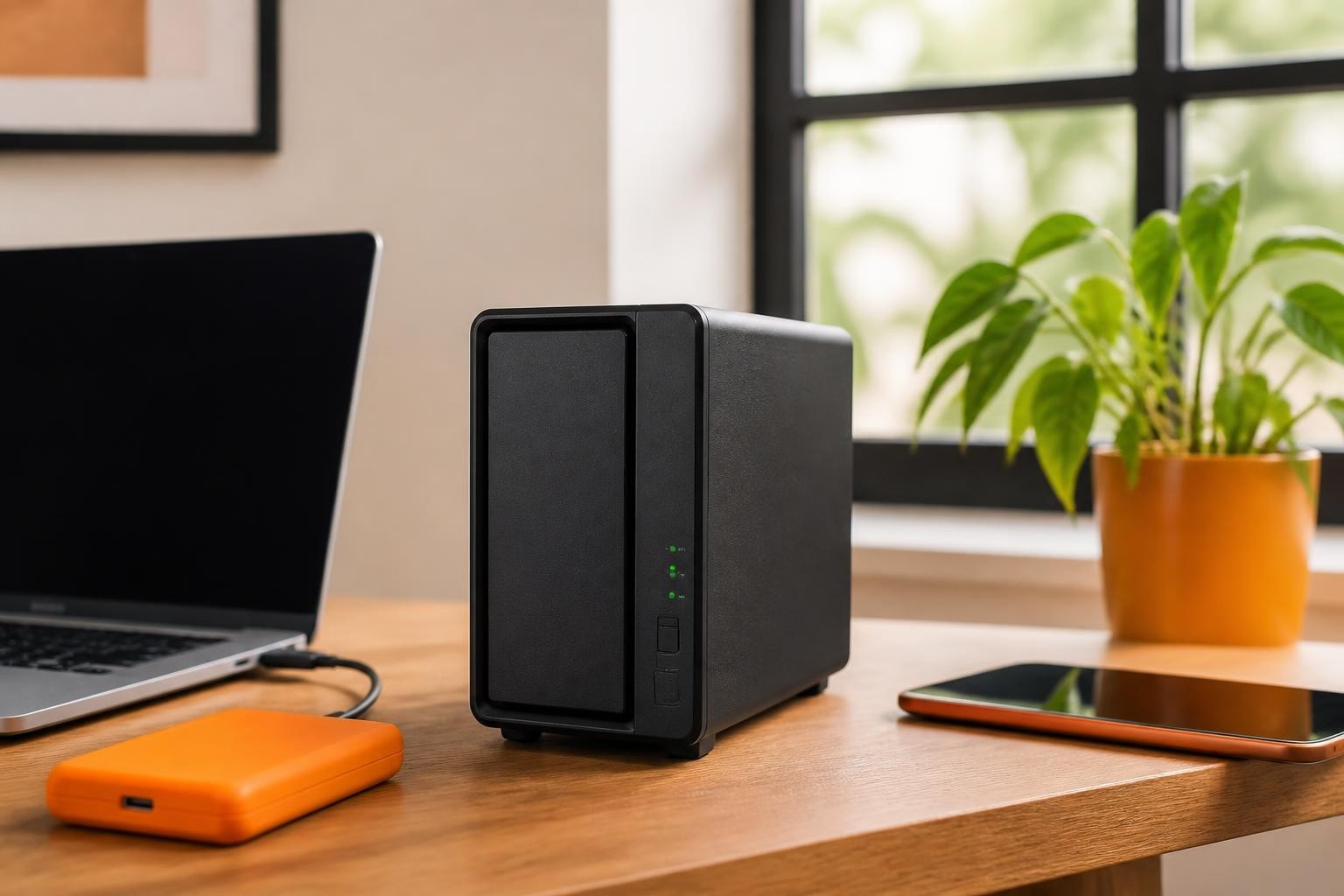

The digital transformation of European businesses has accelerated considerably over recent years, with organisations increasingly relying on cloud computing products to power their operations. Furthermore, the shift towards remote work, enhanced security requirements, and the need for scalable solutions have made selecting the right cloud infrastructure more critical than ever. In addition, businesses must navigate complex data protection regulations whilst maintaining operational efficiency and controlling costs. This comprehensive guide explores the landscape of cloud computing products available in 2026, helping you make informed decisions about your digital infrastructure.
Understanding Cloud Computing Product Categories
Cloud computing products span multiple categories, each designed to address specific business needs. Nevertheless, understanding these distinctions is essential for building an effective technology stack that supports your organisation's goals.
Infrastructure as a Service (IaaS)
Infrastructure as a Service (IaaS) provides virtualised computing resources over the internet, offering businesses fundamental building blocks for their digital operations. Therefore, organisations can access servers, storage, networking, and virtualisation without investing in physical hardware.
Key features of IaaS solutions include:
- Virtual machines with customisable specifications
- Block and object storage options
- Network configuration and load balancing
- Automated backup and disaster recovery
- Pay-as-you-go pricing models
Moreover, IaaS products excel in scenarios requiring high flexibility and control. Businesses running custom applications, development environments, or data-intensive workloads particularly benefit from this model. In addition, IaaS allows for rapid scaling during peak demand periods without long-term commitments.

Platform as a Service (PaaS)
Platform as a Service takes infrastructure management one step further by providing development frameworks and tools. Consequently, developers can build, test, and deploy applications without worrying about underlying infrastructure maintenance. This approach significantly reduces development time and operational complexity.
Furthermore, PaaS products typically include databases, middleware, development tools, and business intelligence services. Therefore, teams can focus exclusively on writing code and creating features rather than managing servers and networks.
| PaaS Advantage | Business Impact | Implementation Time |
|---|---|---|
| Faster deployment | Reduced time-to-market | 40-60% faster |
| Lower complexity | Fewer technical staff needed | Immediate |
| Automatic scaling | Better resource utilisation | Automatic |
| Built-in security | Enhanced compliance | Pre-configured |
Software as a Service (SaaS)
Software as a Service represents the most accessible category of cloud computing products, delivering complete applications via web browsers. Nevertheless, understanding cloud computing fundamentals remains important when evaluating SaaS solutions for your organisation.
Common SaaS applications include:
- Customer relationship management (CRM) systems
- Email and collaboration platforms
- Project management tools
- Accounting and financial software
- Human resources management systems
Moreover, SaaS products eliminate installation, maintenance, and upgrade responsibilities. Therefore, businesses can deploy new capabilities quickly whilst maintaining predictable subscription costs. In addition, automatic updates ensure access to the latest features and security patches without disruption.
Essential Cloud Computing Products for Business Operations
Selecting appropriate cloud computing products requires careful consideration of your organisation's specific requirements. Furthermore, businesses must balance functionality, security, cost, and compliance when building their cloud infrastructure.
Cloud Storage and File Sharing Solutions
Secure cloud storage forms the foundation of modern business operations. Therefore, organisations need reliable platforms for storing, accessing, and sharing documents across teams and locations. In addition, encrypted cloud storage has become essential for protecting sensitive business information.
Critical storage features to evaluate:
- End-to-end encryption for data protection
- Granular access controls and permissions
- Version history and file recovery
- Cross-platform synchronisation
- Compliance with European data regulations
Moreover, online storage with encryption ensures that your files remain protected both in transit and at rest. Nevertheless, businesses should verify that their chosen provider maintains data centres within the European Union to ensure GDPR compliance and data sovereignty.
Communication and Collaboration Platforms
Effective communication tools represent another vital category of cloud computing products. Consequently, businesses require integrated solutions for email, calendaring, video conferencing, and instant messaging. Furthermore, these platforms must deliver reliability, security, and seamless user experiences.
The shift to hybrid work models has intensified demand for robust collaboration tools. Therefore, organisations increasingly seek comprehensive platforms that combine multiple communication channels. In addition, integration capabilities with existing business systems enhance productivity and reduce context switching.

Security and Access Management
Security-focused cloud computing products have gained prominence as cyber threats evolve. Nevertheless, businesses must implement multiple layers of protection to safeguard their digital assets and customer data.
Essential security products include:
- Password management and vaulting solutions
- Multi-factor authentication systems
- Identity and access management platforms
- Security information and event management (SIEM)
- Data loss prevention tools
Moreover, centralised password management eliminates weak credentials and reduces security risks. Therefore, businesses should implement vault solutions that encrypt sensitive authentication data whilst enabling secure sharing amongst authorised team members. In addition, regular security audits and compliance monitoring ensure ongoing protection.
Evaluating Cloud Computing Products for Your Business
Choosing the right cloud computing products demands systematic evaluation against specific criteria. Furthermore, businesses must consider both immediate needs and long-term strategic objectives when making infrastructure decisions.
Performance and Reliability Considerations
Service uptime and performance directly impact business operations. Consequently, organisations should examine provider track records, service level agreements, and infrastructure redundancy. Moreover, comparing major cloud providers reveals significant differences in reliability and performance characteristics.
| Evaluation Criteria | Questions to Ask | Acceptable Threshold |
|---|---|---|
| Uptime guarantee | What SLA does the provider offer? | 99.9% or higher |
| Data centre locations | Where are servers physically located? | European Union |
| Support availability | When can you reach technical support? | 24/7/365 |
| Backup frequency | How often are backups performed? | Daily minimum |
| Disaster recovery | What is the recovery time objective? | Under 4 hours |
Security and Compliance Requirements
European businesses face stringent data protection requirements. Therefore, cloud computing products must demonstrate robust security measures and compliance certifications. In addition, data security in cloud computing encompasses multiple layers of protection across infrastructure, applications, and data.
Critical security considerations:
- ISO 27001 certification for information security
- GDPR compliance and data residency
- Encryption standards (AES-256 or equivalent)
- Regular security audits and penetration testing
- Incident response procedures and notifications
Furthermore, businesses handling sensitive customer information should verify that providers maintain transparent security practices. Nevertheless, security responsibility is shared between provider and customer, requiring clear understanding of each party's obligations.
Cost Structure and Scalability
Understanding pricing models is essential when selecting cloud computing products. Consequently, organisations must evaluate both immediate costs and long-term financial implications. Moreover, scalability requirements directly influence total cost of ownership.
Pricing models to consider:
- Fixed monthly subscriptions per user or resource
- Pay-as-you-go based on actual consumption
- Tiered pricing with volume discounts
- Committed use discounts for long-term contracts
- Hybrid models combining fixed and variable components
In addition, hidden costs such as data transfer fees, storage overages, and premium support can significantly impact budgets. Therefore, businesses should request detailed pricing breakdowns and calculate realistic usage scenarios before committing to providers.

Implementation Strategies for Cloud Computing Products
Successful cloud adoption requires careful planning and systematic implementation. Furthermore, businesses must manage change effectively to realise the full benefits of cloud computing products whilst minimising disruption to ongoing operations.
Migration Planning and Execution
Transitioning to cloud infrastructure demands thorough preparation. Therefore, organisations should develop comprehensive migration strategies that address technical, operational, and human factors. Moreover, phased approaches typically deliver better outcomes than attempting complete migrations simultaneously.
Migration steps for cloud adoption:
- Audit existing infrastructure and applications
- Prioritise workloads based on complexity and criticality
- Select appropriate cloud computing products for each workload
- Develop detailed migration timelines and dependencies
- Execute pilot migrations with non-critical systems
- Monitor performance and address issues
- Scale migration to production workloads
- Decommission legacy infrastructure
In addition, businesses should allocate sufficient resources for testing and validation throughout the migration process. Nevertheless, maintaining parallel operations during transition periods provides safety nets against unexpected challenges.
If you're considering cloud migration, a guided demonstration can help you understand how integrated cloud solutions work together to support your business operations, from file management to communication and security.
Training and User Adoption
Technical implementation represents only part of successful cloud adoption. Consequently, organisations must invest in comprehensive training programmes that help employees embrace new cloud computing products. Furthermore, user adoption directly correlates with return on investment from cloud initiatives.
Effective training approaches:
- Role-based training tailored to specific user needs
- Hands-on workshops with real-world scenarios
- Self-paced online learning resources
- Regular refresher sessions for new features
- Dedicated support channels for questions
Moreover, identifying internal champions who advocate for cloud solutions accelerates adoption across departments. Therefore, businesses should engage early adopters and leverage their enthusiasm to influence broader organisational change. In addition, celebrating quick wins demonstrates tangible benefits and builds momentum.
Ongoing Optimisation and Governance
Cloud computing products require continuous management to maintain efficiency and security. Nevertheless, many organisations overlook post-implementation optimisation, resulting in unnecessary costs and security gaps. Furthermore, establishing governance frameworks ensures consistent policies and practices.
Governance considerations:
- Regular usage audits to identify waste
- Cost allocation and chargeback mechanisms
- Access reviews and permission updates
- Compliance monitoring and reporting
- Performance benchmarking against objectives
Moreover, cloud environments evolve constantly with new features and capabilities. Therefore, businesses should establish processes for evaluating and adopting relevant innovations. In addition, maintaining relationships with cloud providers enables early access to new cloud computing products and preferential support.
Emerging Trends in Cloud Computing Products
The cloud computing landscape continues evolving rapidly as technology advances and business needs shift. Consequently, organisations should monitor emerging trends that may influence future infrastructure decisions. Furthermore, understanding cloud computing in its broader context helps businesses anticipate and prepare for changes.
Multi-Cloud and Hybrid Strategies
Businesses increasingly adopt multi-cloud approaches using products from multiple providers. Therefore, organisations can optimise workload placement based on specific provider strengths whilst avoiding vendor lock-in. Moreover, hybrid cloud strategies combining on-premises infrastructure with public cloud services offer additional flexibility.
Nevertheless, multi-cloud environments introduce complexity requiring specialised management tools and expertise. In addition, businesses must carefully evaluate whether potential benefits justify increased operational overhead and costs.
Edge Computing Integration
Edge computing extends cloud capabilities closer to data sources and end users. Consequently, businesses can reduce latency, improve responsiveness, and decrease bandwidth consumption. Furthermore, edge computing products complement traditional cloud infrastructure rather than replacing it entirely.
Edge computing applications:
- Real-time data processing for Internet of Things devices
- Content delivery and caching for improved performance
- Local processing for privacy-sensitive data
- Autonomous systems requiring immediate responses
- Bandwidth optimisation for remote locations
Moreover, organisations should evaluate whether their operations benefit from edge capabilities before investing in additional infrastructure. Therefore, clear use cases and measurable outcomes should drive edge computing adoption decisions.
Sustainability and Green Cloud Computing
Environmental considerations increasingly influence cloud computing product selection. Consequently, businesses seek providers committed to renewable energy, carbon neutrality, and sustainable operations. Furthermore, corporate social responsibility initiatives often include technology infrastructure environmental impact.
European organisations particularly value green hosting practices that minimise ecological footprints whilst maintaining performance and reliability. Therefore, cloud providers emphasising sustainability gain competitive advantages amongst environmentally conscious businesses. In addition, regulatory pressures and stakeholder expectations will likely accelerate green cloud adoption.
Selecting appropriate cloud computing products requires balancing technical capabilities, security requirements, costs, and strategic objectives. Nevertheless, businesses that invest time in thorough evaluation and planning position themselves for successful cloud adoption that delivers lasting value. vBoxx provides European businesses with secure, privacy-focused cloud solutions including storage, communication, and security products, all delivered through green hosting practices and maintained within the EU for complete data sovereignty and compliance.