Imagine the freedom to access, edit, and share your most important documents in cloud from anywhere, at any time, with total confidence in their safety. As businesses and individuals increasingly rely on digital solutions, understanding documents in cloud is essential for staying ahead in 2026.
This guide walks you through everything you need to know, from the transformation of document management to the critical features that matter. Discover how to secure your information, integrate cloud solutions with your daily workflows, and anticipate the trends shaping the future.
Ready to master documents in cloud? Let us show you the essentials for success.
The Evolution of Document Management in the Cloud
The journey from paper-filled cabinets to documents in cloud has revolutionised the way organisations store, access, and collaborate on information. This transformation did not happen overnight. It has been shaped by shifts in technology, business needs, and the global push towards digital-first operations. Let us explore how this evolution has unfolded and what it means for the future of business document management.

From Local Storage to Cloud Solutions
Historically, organisations relied on physical filing systems and local servers to manage business documents. These methods required significant space, manual effort, and constant maintenance. The rise of remote work and the need for real-time collaboration exposed the limitations of such systems.
The demand for greater flexibility triggered a shift to documents in cloud, enabling teams to access files securely from anywhere. Scalability became crucial, allowing businesses to grow without the burden of physical infrastructure. The result is a more agile, cost-effective, and accessible approach to document management.
Major Milestones and Adoption Rates
The launch of platforms like Google Drive, Microsoft 365, and Dropbox marked key milestones in the adoption of documents in cloud. These solutions made it possible to store, edit, and share files online with ease, transforming workplace productivity.
Adoption rates have soared in recent years. As of 2024, over 90 percent of businesses use some form of cloud storage, reflecting a dramatic shift from traditional practices. Multi-cloud strategies are also on the rise, giving organisations more control and flexibility. For further insight, recent Cloud-Based Document Management Software Statistics highlight the continued growth and widespread acceptance of these platforms.
Benefits Over Traditional Methods
Switching from local storage to documents in cloud brings a host of benefits:
| Feature | Traditional Methods | Documents in Cloud |
|---|---|---|
| Accessibility | Onsite only | Anywhere, anytime |
| Cost | High maintenance | Reduced expenses |
| Collaboration | Manual, slow | Real-time, seamless |
| Security | Physical risks | Robust digital tools |
Cost efficiency is a major advantage, as businesses no longer need to invest in expensive hardware or constant upkeep. Accessibility is enhanced, with 24/7 access from any device. Real-time collaboration and version control help teams work together efficiently, further boosting productivity.
Challenges and Solutions
Despite the clear advantages, migrating to documents in cloud can present challenges. Common concerns include fears of data loss, difficulties with migration, and resistance from users accustomed to legacy systems.
Solutions to these issues include providing thorough user training, implementing phased migration plans, and establishing robust backup systems. Organisations that address these challenges proactively can unlock the full potential of cloud-based document management.
Cloud Document Management in 2026
Looking ahead, documents in cloud will continue to evolve at a rapid pace. Artificial intelligence will power advanced search, document classification, and automated compliance checks. Integration with other business systems will become deeper and more seamless.
Sustainability is also gaining importance, with green hosting and energy-efficient data centres becoming a priority. Companies are expected to leverage AI for smarter document retrieval and compliance, making cloud platforms even more indispensable. By 2026, the landscape for documents in cloud will offer unprecedented efficiency, security, and environmental responsibility.
Key Features to Look for in Cloud Document Platforms
Choosing the right platform for managing documents in cloud is critical for business efficiency and security. The features you prioritise will shape how well your organisation adapts to digital transformation. Below, we explore the essential elements every modern cloud document solution should offer.

Security and Compliance
Security is non-negotiable when it comes to documents in cloud. Look for platforms that deliver end-to-end encryption and multi-factor authentication, ensuring only authorised users can access sensitive data. Compliance with standards like GDPR, NIS2, and ISO 27001 is essential for protecting information and meeting regulatory requirements.
For example, leading providers offer ISO 27001 certified data centres. If you want to understand why this certification matters for your business, read this ISO 27001 business security guide. These features not only keep your documents safe but also build trust with clients and partners.
Scalability and Flexibility
Your needs for documents in cloud will evolve as your organisation grows. Choose solutions that allow you to easily scale storage capacity and user accounts. Flexible subscription plans cater to both small businesses and large enterprises, letting you adjust resources without disruption.
Seamless upgrades are vital. The best platforms enable you to expand or reduce services as required, without downtime or data loss. This adaptability helps you stay agile in a fast-changing business environment.
Collaboration and Productivity Tools
Modern documents in cloud platforms empower teams to work together more effectively. Real-time co-authoring, commenting, and workflow automation streamline daily processes. Integration with productivity suites such as Office 365 or Google Workspace helps centralise tasks.
Research shows that 80% of businesses experience increased productivity when using cloud collaboration tools. Features like version control and instant feedback boost transparency and reduce errors during joint projects.
Integration Capabilities
A robust documents in cloud solution must fit seamlessly into your existing tech stack. Look for platforms compatible with CRM, ERP, and other core business systems. Open APIs and third-party connectors are critical for automating document workflows.
For instance, tools like Zapier or Microsoft Power Automate can connect your cloud documents to dozens of other applications, saving time and reducing manual effort. This integration capability ensures your documents work as part of a larger digital ecosystem.
User Experience and Accessibility
Intuitive design is vital for widespread adoption of documents in cloud. Platforms should provide clear navigation, mobile-friendly interfaces, and offline access options. Accessibility compliance ensures all users, including those with disabilities, can interact with documents efficiently.
Offline synchronisation features allow users to continue working even when internet access is limited. These elements drive user satisfaction and reduce barriers to digital transformation.
Backup and Disaster Recovery
Reliable backup and disaster recovery are foundational to any documents in cloud strategy. Automated backups safeguard against accidental deletions, cyberattacks, or system failures. Geo-redundant storage means your data is protected across multiple locations.
Rapid restore options help businesses recover quickly from disruptions, such as ransomware attacks. These features ensure business continuity and minimise downtime, keeping your operations running smoothly.
Ensuring Security and Privacy for Cloud Documents
Securing documents in cloud environments is a top priority for organisations in 2026. As digital transformation accelerates, robust security measures and privacy controls have become essential. Each stage of document management, from upload to sharing, faces unique risks and requires ongoing vigilance.
Understanding the Risks
Managing documents in cloud platforms brings powerful advantages but also introduces new threats. Data breaches, unauthorised access, phishing, and malware attacks are among the most common risks. High profile incidents in recent years have shown that even well-known providers can be targeted, highlighting the importance of proactive defence.
Cybercriminals often exploit weak credentials or outdated systems. Without adequate safeguards, sensitive documents in cloud repositories can be exposed. Recognising these risks is the first step towards building a secure foundation.
Best Practices for Secure Cloud Document Management
Protecting documents in cloud storage requires a layered approach. Organisations should implement strong password policies and enforce regular access reviews. Role-based access controls help restrict sensitive data to authorised personnel only.
- Set complex passwords and enable multi-factor authentication
- Schedule regular audits of user access and permissions
- Limit access to confidential documents, such as HR or finance files
Phased migration and ongoing training also reduce the risk of data loss or misuse. These practices ensure that documents in cloud systems remain protected at every stage.
Encryption and Data Protection
Encryption is fundamental for keeping documents in cloud environments secure. Data should be encrypted both at rest and during transit. Leading platforms provide client-side and server-side encryption, ensuring that information cannot be read by unauthorised parties.
Understanding how encryption keys are managed is critical. Some providers offer customer-controlled keys for added assurance. For a deeper dive into these security measures, see Encrypted cloud service benefits.
With these protections in place, documents in cloud systems are shielded from interception or tampering.
Regulatory Compliance in 2026
Strict regulatory frameworks like GDPR, NIS2, and HIPAA shape how organisations manage documents in cloud environments. Non-compliance can result in significant fines and damage to reputation. In 2025, several high-profile penalties were issued for mishandling sensitive data.
Staying compliant means understanding legal obligations and keeping up with evolving standards. Organisations must document their processes and maintain clear audit trails. This ensures that documents in cloud repositories meet all regulatory requirements.
Privacy by Design
Privacy by design embeds data protection into every aspect of cloud document workflows. This includes minimising data collection, anonymising information when possible, and providing privacy dashboards for administrators.
Platforms that embrace privacy by design help organisations demonstrate accountability. By default, privacy features are active, reducing the risk of accidental exposure. This is particularly important for documents in cloud storage containing personal or confidential data.
Employee Training and Awareness
Human error remains a leading cause of security incidents involving documents in cloud solutions. Ongoing staff training is vital. Employees should learn to spot phishing attempts and understand the importance of secure document handling.
Simulated phishing campaigns and user certification programmes can strengthen defences. According to the 2024 Verizon DBIR, 60 percent of breaches are linked to mistakes by users. By investing in awareness, organisations make documents in cloud repositories safer.
Choosing a Secure Provider
Selecting the right cloud provider is crucial for protecting documents in cloud systems. Look for vendors with recognised certifications, such as ISO 27001, and a transparent approach to data management.
- Verify data residency and hosting locations
- Assess provider transparency and incident response protocols
- Prioritise platforms with dedicated security support
Providers hosting data exclusively in Europe help organisations comply with GDPR and other regional laws. This safeguards documents in cloud storage and ensures legal peace of mind.
vBoxx: Secure European Cloud Services for Document Management
vBoxx stands out as a trusted provider for businesses prioritising security and privacy in their documents in cloud strategies. With European data sovereignty, GDPR and NIS2 compliance, and ISO 27001 certification, vBoxx offers end-to-end encryption and dedicated support.
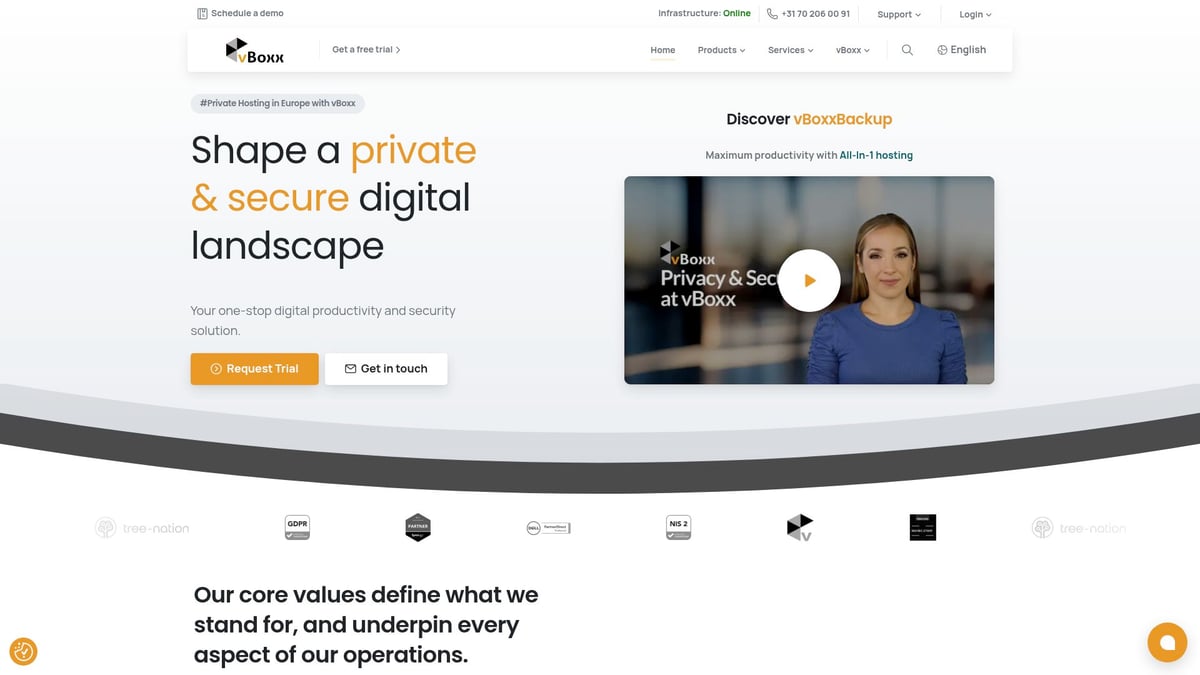
The platform's green hosting practices align with sustainability goals, while tailored solutions address strict privacy requirements. vBoxx also supports seamless migration and ongoing consultancy, making it a strong choice for secure cloud document management.
Integrating Cloud Documents into Business Workflows
Seamlessly integrating documents in cloud platforms into your business workflows is essential for maximising efficiency and collaboration. The right approach ensures that information flows smoothly across teams, compliance is maintained, and productivity soars. Let us explore how to align your organisational needs, implement cloud solutions, connect with existing tools, and measure the results effectively.

Assessing Organisational Needs
Begin by identifying which documents in cloud systems your organisation handles daily. Consider document types, access levels, and security requirements. Involve key stakeholders from departments such as legal, finance, and IT to capture the full range of workflow needs.
List the essential features your teams require, such as version control, audit trails, or secure sharing. Understanding these details ensures the selected platform aligns with both current and future demands. This careful assessment forms the foundation for successful cloud adoption.
Step-by-Step Implementation Process
A structured approach to implementing documents in cloud solutions minimises disruption and maximises adoption. Follow these steps:
- Audit existing storage and document workflows.
- Choose a cloud platform that meets your needs for compliance, security, and scalability.
- Plan and execute a phased migration, maintaining regular backups for data safety. For best practices on encrypted file storage, see Online storage with encryption.
- Set up user roles, permissions, and security policies.
- Provide training and guidance for all users.
- Monitor the rollout and address any challenges promptly.
This process ensures a smooth transition and ongoing reliability.
Integration with Existing Tools
To unlock the full potential of documents in cloud environments, integrate your platform with other core business systems. Connecting with CRM, ERP, and project management tools streamlines workflows and reduces manual interventions.
For example, automating contract approvals or linking document storage to customer records accelerates business processes. Look for platforms with open APIs and robust third-party connectors, which enable custom integrations and workflow automation. This flexibility increases productivity and data consistency across your organisation.
Change Management and Adoption
Adopting documents in cloud technology often requires cultural and behavioural change. Address resistance by clearly communicating the benefits and providing hands-on training. Start with pilot programmes to demonstrate value and gather feedback.
Highlight success stories within your organisation to build momentum. Encourage collaboration and create champions who can support others through the transition. Continuous engagement is key to fostering a positive attitude towards cloud document management.
Monitoring and Continuous Improvement
Once documents in cloud platforms are operational, ongoing monitoring is crucial. Use analytics tools to track usage patterns, identify bottlenecks, and spot opportunities for improvement.
Regularly review access controls and workflows to ensure they remain aligned with business goals and compliance standards. Update policies and processes based on user feedback and performance data. This iterative approach keeps your document management system agile and effective.
Measuring ROI and Business Impact
Evaluate the impact of your documents in cloud strategy by tracking key performance indicators such as productivity gains, cost reductions, and compliance rates. Use analytics dashboards to measure adoption rates and workflow efficiency.
According to Document Management System Market Growth, businesses are seeing significant returns from cloud-based document management, with rapid market growth driven by digitalisation. By measuring outcomes, you can demonstrate value, justify investments, and guide future improvements.
Future Trends in Cloud Document Management
Cloud technology is evolving rapidly, shaping how organisations handle documents in cloud environments. As we look ahead to 2026, several transformative trends are redefining efficiency, security, and sustainability for document management. These future developments promise smarter workflows, improved collaboration, and greater compliance, offering new ways to unlock value from your documents in cloud platforms.
Artificial Intelligence and Automation
Artificial intelligence is set to transform how we manage documents in cloud platforms. AI will drive smarter document search, automate classification, and streamline compliance tasks. Imagine instantly locating a contract or having invoices processed with zero manual effort. By 2026, over half of cloud providers are expected to offer AI-powered features, such as intelligent tagging and automated approval workflows. These advancements will reduce administrative overhead and help teams focus on higher-value work. The result is faster, more accurate document handling and a significant productivity boost.
Enhanced Collaboration Experiences
Collaboration tools for documents in cloud systems are becoming more sophisticated. Teams can expect immersive experiences, including virtual whiteboards and integrated video conferencing, directly within their document platforms. Real-time translation features will break down language barriers, enabling seamless global cooperation. Accessibility enhancements, such as screen reader compatibility and voice commands, ensure everyone can participate. These improvements not only foster teamwork but also drive inclusivity, making document collaboration smoother and more engaging than ever before.
Sustainability and Green Hosting
Sustainability is now a key consideration when selecting documents in cloud solutions. Providers are investing in renewable energy, carbon-neutral operations, and eco-friendly data centres. Many businesses are choosing green hosting as part of their environmental, social, and governance (ESG) strategies. The shift to sustainable cloud services not only reduces the carbon footprint but also appeals to clients and stakeholders who value responsible practices. Comparing traditional and green hosting, the latter offers lower emissions and supports a circular economy, making it the preferred choice for future-ready organisations.
| Hosting Type | Energy Source | Emissions | ESG Alignment |
|---|---|---|---|
| Traditional | Mixed/Grid | Higher | Limited |
| Green Hosting | Renewable | Lower | Strong |
Advanced Security Innovations
Security for documents in cloud storage is advancing rapidly. Zero-trust models, which verify every access request, are becoming the norm. Continuous authentication and behavioural analytics add extra protection layers. The industry is also preparing for quantum-safe encryption, anticipating future threats. For practical strategies to protect your documents, refer to Cloud Security Best Practices for 2026, which covers essentials like multi-factor authentication and least privilege access. These innovations ensure sensitive information stays secure, even as cyber threats evolve.
Evolving Compliance Landscape
Compliance is growing more complex for documents in cloud environments. New and updated regulations, such as GDPR, NIS2, and sector-specific rules, require organisations to stay agile. Data residency and sovereignty concerns are especially prominent in Europe, with businesses seeking solutions that guarantee local data control. Enterprises must monitor legal developments and implement controls that satisfy both regional and global standards. Adapting to the changing compliance landscape ensures not only legal protection but also builds customer trust in your cloud document management approach.
Customisation and Industry-Specific Solutions
As demands diversify, cloud platforms are offering tailored solutions for specific sectors. Healthcare, legal, finance, and education providers can now access documents in cloud systems designed to meet their unique compliance and workflow needs. For example, healthcare providers prioritise HIPAA-compliant document management, while legal firms require detailed audit trails. Customisation extends to user interfaces, integrations, and automation, enabling organisations to deploy cloud solutions that align precisely with their operational goals, industry regulations, and client expectations.
The Rise of Decentralised and Edge Cloud Solutions
Decentralised and edge computing are reshaping access to documents in cloud platforms. Edge solutions bring data processing closer to the user, reducing latency and improving speed for time-sensitive tasks. Decentralised storage, often leveraging blockchain, enhances privacy and resilience by distributing data across multiple nodes. For a deeper understanding of blockchain’s role in secure digital document management, see Decentralized Digital Notarization Using Blockchain. Hybrid cloud deployments are also on the rise, balancing the need for control with the benefits of scalability, positioning organisations to handle future challenges confidently.
As you look ahead to 2026 and consider the evolving landscape of cloud document management, it’s clear that security, flexibility, and sustainability are essential for your business success. We’ve covered how the right cloud platform can streamline collaboration, safeguard your data, and support compliance, all while making day to day work more efficient. If you’re ready to see how these solutions can fit seamlessly into your own workflows, why not experience it firsthand? You can start a free trial and explore the benefits of secure, green cloud document management tailored to your needs.