
The digital landscape is evolving at breakneck speed, making IT cloud services a cornerstone for business competitiveness in 2026. Organisations now face unprecedented challenges and opportunities as technology transforms every sector.
This guide delivers essential insights for business leaders and IT professionals seeking to navigate the future of IT cloud services. You will discover emerging trends, service models, security and compliance priorities, migration strategies, and proven ways to maximise your cloud investments.
Stay ahead by embracing secure, scalable solutions that turn future-focused challenges into opportunities for growth and innovation.
The Evolution of IT Cloud Services: Trends Shaping 2026
The landscape of it cloud services is in constant motion, with 2026 shaping up to be a pivotal year for innovation and growth. As organisations race to modernise, business leaders must stay ahead of the trends that are redefining cloud adoption, security, and efficiency. Understanding these shifts is crucial for anyone aiming to leverage it cloud services for lasting competitive advantage.

Accelerated Adoption and Market Growth
Global spending on it cloud services is forecast to reach unprecedented levels by 2026, with Gartner and IDC projecting double-digit growth year on year. Organisations are accelerating the move from legacy IT towards cloud-native infrastructures, driven by the need for agility and cost savings.
Hybrid and multi-cloud strategies are becoming the norm, allowing businesses to balance performance, compliance, and flexibility. Notably, small and medium-sized enterprises (SMEs) are now adopting it cloud services at rates previously seen only in large enterprises. Between 2023 and 2026, migration rates have surged, with over 70 percent of organisations reporting at least one major cloud migration project.
This rapid adoption is transforming how businesses operate, shifting focus from maintenance to innovation and strategic growth.
Emerging Technologies Transforming Cloud Services
Emerging technologies are reshaping the capabilities and value of it cloud services. Artificial intelligence and machine learning are now deeply integrated into leading cloud platforms, enabling predictive analytics, automation, and advanced security measures.
Edge computing and the Internet of Things (IoT) are pushing data processing closer to where it is needed, reducing latency and improving real-time decision making. Advances in serverless computing and containerisation are making it easier to deploy scalable, flexible applications. Quantum computing, though still evolving, is beginning to influence cloud security and high-performance processing.
For a detailed look at the top innovations driving change, see the Top cloud computing trends for 2026, which explores multi-cloud networking, AI integration, and platform engineering in depth.
Regulatory and Sustainability Drivers
Evolving data privacy laws such as GDPR and the NIS2 Directive are having a profound impact on it cloud services. Compliance requirements now shape decisions around data residency, encryption, and provider selection. Organisations must navigate the challenges of cross-border data transfers and ensure adherence to industry-specific standards.
Sustainability is also taking centre stage. Many cloud providers are investing in green hosting, aiming for carbon-neutral or even climate-positive data centres. Industry initiatives are setting new benchmarks for energy efficiency and responsible resource use, helping businesses align their IT strategies with environmental goals.
Industry-Specific Cloud Innovations
Tailored it cloud services are delivering sector-specific value across a range of industries. In healthcare, secure cloud platforms support electronic health records and telemedicine while ensuring strict compliance with data protection laws. Financial institutions are leveraging cloud for real-time analytics, fraud detection, and regulatory reporting. Retailers are adopting cloud-based solutions to personalise customer experiences, optimise supply chains, and manage omnichannel sales.
Case studies from each sector demonstrate how targeted cloud adoption can drive operational excellence, cost savings, and innovation. These stories highlight the transformative potential of it cloud services when aligned with unique business needs.
Core Types of IT Cloud Services Explained
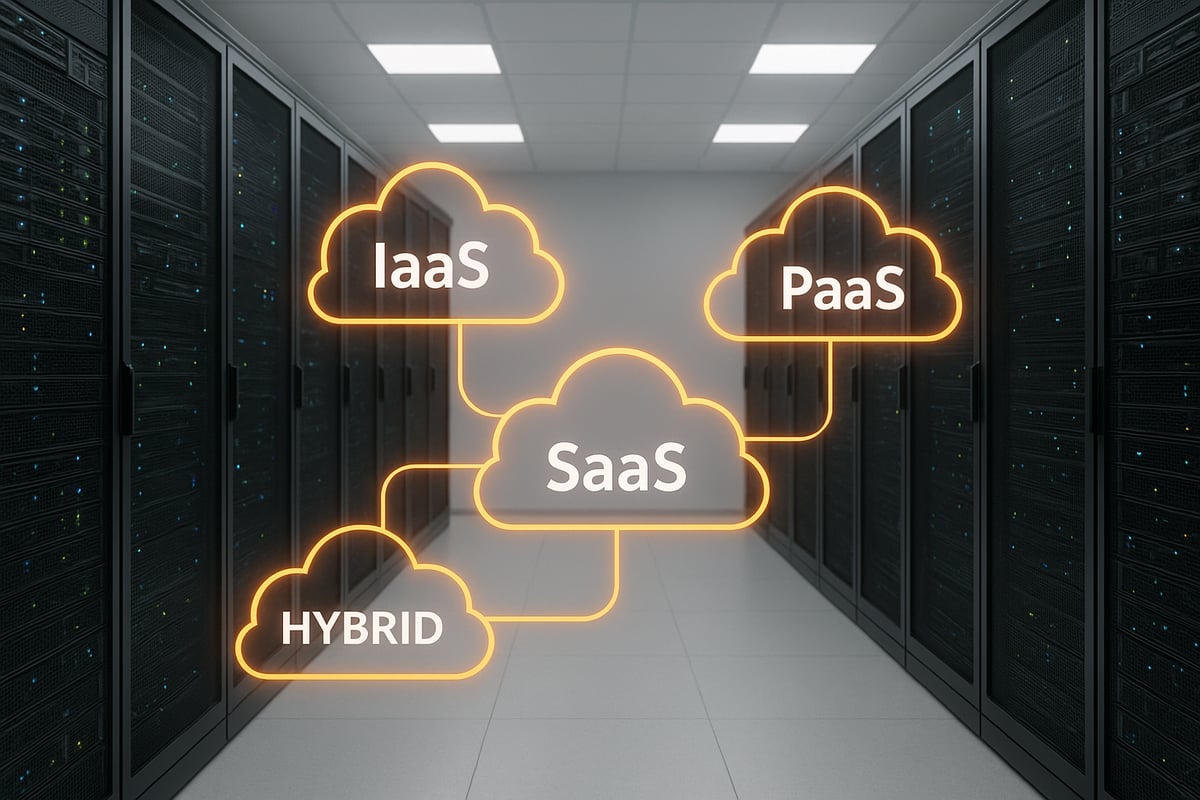
Understanding the landscape of it cloud services is crucial for businesses planning a digital transformation in 2026. Each service model brings unique strengths, flexibility, and use cases to meet evolving operational needs. Let us break down the core types, their benefits, and how they shape today’s competitive environment.
Infrastructure as a Service (IaaS)
IaaS forms the backbone of many it cloud services strategies. It delivers virtualised computing resources over the internet, including servers, storage, and networking. Businesses appreciate IaaS for its scalability and pay-as-you-go model, making it easier to adapt to changing workloads.
Leading providers such as AWS, Microsoft Azure, and Google Cloud dominate the IaaS market. Organisations use IaaS for web hosting, backup, disaster recovery, and development environments. Adoption of virtual servers and scalable storage solutions continues to grow, especially as companies look to shift away from legacy infrastructure.
Platform as a Service (PaaS)
PaaS is a vital element of modern it cloud services, enabling developers to build, test, and deploy applications without managing underlying hardware or operating systems. This service model accelerates development cycles and streamlines integration with other cloud-native tools.
Popular PaaS platforms like Microsoft Azure App Service, AWS Elastic Beanstalk, and Google App Engine offer built-in support for DevOps, automation, and containerisation. As automation becomes more central to cloud strategies, PaaS adoption is on the rise, supporting rapid innovation and continuous delivery.
Software as a Service (SaaS)
SaaS is the most widely recognised form of it cloud services, transforming how organisations access and use software. It delivers applications over the web, eliminating the need for on-premises installation and maintenance.
Common SaaS applications include CRM systems, productivity suites, and analytics platforms. The SaaS market is forecast to expand rapidly through 2026, driven by demand for flexible, subscription-based solutions. For a deeper dive into the options available, see this File Storage Service Options resource, which explores the variety of cloud-based file services for businesses.
Additional Service Models: FaaS, BaaS, and DaaS
Beyond the major categories, it cloud services now include Function as a Service (FaaS), Backup as a Service (BaaS), and Desktop as a Service (DaaS). FaaS, often called serverless computing, allows developers to run code in response to events without managing servers, bringing agility and cost savings.
BaaS supports robust disaster recovery and data protection, while DaaS empowers remote and hybrid workforces with secure, cloud-hosted desktop environments. These models reflect the growing need for flexibility and resilience in today’s business operations.
Private, Public, Hybrid, and Multi-Cloud Architectures
Choosing the right architecture is key to maximising the value of it cloud services. Organisations can opt for private, public, hybrid, or multi-cloud approaches, each offering distinct advantages.
| Architecture | Description | Pros | Cons |
|---|---|---|---|
| Private Cloud | Dedicated infrastructure | Control, security | Higher cost, resource intensive |
| Public Cloud | Shared, third-party infrastructure | Scalability, cost efficiency | Less control, security concerns |
| Hybrid Cloud | Combination of private and public | Flexibility, workload balance | Complexity, integration required |
| Multi-Cloud | Multiple cloud providers | Avoid vendor lock-in, agility | Management complexity |
Many enterprises combine hybrid and multi-cloud strategies to tailor solutions to their operational needs. SMEs increasingly leverage public cloud for agility, while regulated sectors often deploy private or hybrid models for compliance and data sovereignty.
Security, Compliance, and Data Sovereignty in Cloud Services
In 2026, the security and compliance demands on it cloud services are more complex than ever. As businesses accelerate cloud adoption, leaders must navigate a landscape filled with evolving threats, regulatory shifts, and the growing imperative for ethical, sustainable practices.

Evolving Threat Landscape in 2026
The cyber threat landscape for it cloud services is constantly shifting. Organisations face more sophisticated ransomware attacks, often targeting cloud-based backups and supply chains. Attackers now exploit vulnerabilities in APIs and misconfigured cloud storage, making proactive defence essential.
Recent high-profile breaches have highlighted the risks of poor access controls and insufficient monitoring. Threat actors increasingly use automation and AI to scale attacks. For businesses relying on it cloud services, regular threat assessments and incident response planning are no longer optional.
Advanced Security Solutions and Best Practices
To counter these risks, it cloud services are embracing robust, layered security strategies. Zero Trust models, which assume no implicit trust within networks, are becoming the gold standard. Multi-factor authentication, end-to-end encryption, and advanced identity management tools are widely adopted.
Encryption remains a cornerstone of secure cloud operations. Businesses seeking deeper insight can review Encrypted Cloud Services Explained to understand best practices for protecting data at rest and in transit. Regular vulnerability assessments and penetration testing are vital for identifying gaps before attackers do.
Regulatory Compliance and Data Sovereignty
Regulations such as GDPR and NIS2 shape how it cloud services manage and store data. Organisations must ensure data is processed in compliance with local laws, especially when handling sensitive or personal information. Cross-border data transfers introduce complexities, making data localisation strategies critical.
Industry-specific standards, like those in finance and healthcare, further complicate compliance. Selecting providers with proven compliance track records helps businesses avoid costly penalties and reputational damage. Cloud solutions designed for data sovereignty give organisations control over where and how their data is managed.
The Role of Cloud Providers in Security
Cloud providers share responsibility for security in it cloud services, but the scope varies by service model. Leading providers invest in continuous monitoring, advanced threat detection, and regular audits. Certifications such as ISO 27001 and SOC 2 assure customers of a provider’s commitment to best practices.
The shared responsibility model means businesses must understand where provider duties end and client obligations begin. Clear documentation, transparent reporting, and support for compliance requirements are key differentiators when choosing a provider.
Sustainable and Ethical Cloud Practices
Sustainability is becoming a non-negotiable aspect of it cloud services. Green hosting initiatives and carbon-neutral data centres are gaining traction, driven by both regulation and customer demand. Providers now report on energy efficiency and environmental impact as part of their service.
Ethical considerations extend to data privacy and responsible resource usage. Businesses prioritising sustainability look for providers with clear commitments to energy reduction, renewable sourcing, and transparent reporting. These efforts not only reduce environmental impact but also strengthen brand reputation in a competitive market.
Selecting and Implementing the Right Cloud Services for Your Business
Selecting and implementing the right IT cloud services is a critical step for any organisation aiming to thrive in 2026’s digital economy. Business leaders must take a structured approach, from initial assessment to ongoing optimisation, to ensure cloud investments deliver maximum value and security.

Assessing Organisational Needs and Readiness
Before adopting IT cloud services, it is vital to conduct a thorough readiness assessment. Begin by identifying your business drivers, such as cost reduction, agility, or innovation. Assess current IT infrastructure, digital maturity, and existing skills within your team.
Engage all stakeholders early to align expectations and secure buy-in. Consider regulatory obligations, data sovereignty, and industry-specific compliance needs. A clear understanding of your organisation’s unique requirements helps establish a strategic roadmap for IT cloud services that supports future growth.
Comparing Cloud Providers and Solutions
Choosing the right provider for IT cloud services requires a careful evaluation of several key factors:
- Security and compliance certifications
- Scalability and performance guarantees
- Quality of customer support
- Data sovereignty and local infrastructure
It is essential to assess each provider’s track record on regulatory compliance, particularly if your data must remain within specific jurisdictions. For organisations handling sensitive information, understanding sovereign cloud and data control is crucial to ensure legal and operational control. Comparing both global and regional vendors can help you find the best fit for your business’s needs.
Building a Robust Migration Strategy
A successful move to IT cloud services relies on a well-planned migration strategy. Start by mapping workloads and prioritising applications for migration. Develop a step-by-step plan that includes thorough testing, phased execution, and post-migration optimisation.
Common challenges include data transfer bottlenecks, compatibility issues, and managing downtime. Overcome these with robust project management, pilot testing, and strong collaboration with your chosen provider. Learning from real-world migration case studies can offer valuable insights and help you avoid common pitfalls in your IT cloud services journey.
Cost Management and ROI Optimisation
Understanding the cost structures of IT cloud services is essential for maximising return on investment. Compare different pricing models, such as pay-as-you-go versus reserved instances, to match your usage patterns.
Use cloud management tools to monitor consumption, set budgets, and identify cost-saving opportunities. Regularly review your cloud spending and adjust resources to avoid unnecessary expenses. According to recent industry reports, organisations optimising their IT cloud services can achieve significant cost savings and improved business agility, ensuring cloud investments continually deliver value.
Future-Proofing Your Cloud Strategy: Best Practices for 2026 and Beyond
Staying ahead in the fast-evolving landscape of it cloud services demands a proactive, adaptable approach. Future-proofing your cloud strategy is essential for maintaining resilience, security, and competitive advantage as technology and business needs shift.
Embracing Continuous Innovation
Continuous innovation is the cornerstone of successful it cloud services strategies. Regularly assess emerging technologies such as AI, edge computing, and quantum advancements. Encourage your teams to explore serverless architectures, which promote agility and scalability. For deeper insights, review the latest high-performance serverless computing review to identify how serverless models can benefit your workloads.
Fostering a culture of experimentation and cloud-native thinking empowers your organisation to adapt quickly. Invest in training and pilot programmes to trial new tools. By building innovation into your roadmap, you ensure your it cloud services remain both relevant and future-ready.
Enhancing Security and Compliance Posture
Security and compliance are non-negotiable in it cloud services. Adopt continuous monitoring, threat intelligence, and frequent compliance audits to protect sensitive data. Implement Zero Trust principles across your environment, enforcing strict identity management and multi-factor authentication.
Regular employee training is vital. Equip staff with the knowledge to recognise and respond to emerging threats. By embedding security into your organisational culture, you reduce risks and maintain the integrity of your it cloud services.
Maximising Performance and Availability
High availability and optimal performance are key benchmarks for it cloud services. Leverage hybrid and multi-cloud models to reduce single points of failure and increase resilience. Automation and orchestration tools can streamline workload management, ensuring resources are allocated efficiently.
Monitor application performance with real-time analytics. Set clear SLAs with providers and routinely test failover capabilities. These actions help your it cloud services deliver seamless, uninterrupted user experiences.
Sustainability and Corporate Responsibility
Sustainability is now a strategic priority for it cloud services. Integrate environmental metrics into your cloud strategy, such as energy consumption and carbon footprint. Seek providers committed to green data centres and renewable energy.
Stay informed about regional trends and best practices by exploring European Cloud Infrastructure Trends. Demonstrating corporate responsibility enhances your brand and ensures long-term viability in a competitive market.
Building Strategic Partnerships
Strong partnerships can amplify the value of it cloud services. Collaborate closely with cloud providers and managed service partners to access expertise and tailored support. Prioritise alliances that offer ongoing consultancy and flexible solutions.
Establish clear communication channels and shared goals. Strategic relationships help you stay ahead of technology shifts and regulatory changes, maximising the return on your it cloud services investments.
Measuring Success and Adapting to Change
Measuring success is essential for continuous improvement in it cloud services. Define KPIs that align with business objectives, such as uptime, cost savings, or user satisfaction. Regularly collect feedback from stakeholders and end-users to inform strategic adjustments.
Remain agile by reviewing your cloud strategy at set intervals. Organisations that adapt quickly to change are best positioned to thrive in the dynamic world of it cloud services.
As you look ahead to navigating the evolving landscape of IT cloud services in 2026, it’s important to make informed decisions that prioritise both security and sustainability for your business. With vBoxx, you gain access to privacy-first cloud solutions, expert guidance on migration, and a commitment to green hosting practices—all tailored to the unique needs of European organisations. If you’d like to see how these insights and services could benefit your business in practice, I encourage you to schedule a demo and explore your options with a team that understands the demands of tomorrow’s digital world.