
European data privacy has become a cornerstone of digital business operations across the continent and beyond. In particular, since the implementation of the General Data Protection Regulation in 2018, organisations worldwide have had to fundamentally rethink how they collect, process, and store personal information. Moreover, the regulatory framework extends far beyond simple compliance requirements, as it represents a comprehensive approach to protecting individual rights while still enabling legitimate business operations. Consequently, for companies providing digital services, understanding these regulations is not merely about avoiding fines; rather, it is about building trust with customers and establishing robust security practices that safeguard sensitive information.
Understanding the Foundation of European Data Privacy
The concept of data protection in Europe stems from a fundamental belief that privacy is a human right. This principle has been enshrined in various legal instruments over decades, creating a complex but coherent framework that businesses must navigate.
The lass=”yoast-text-mark”>ref=”https://commission.europa.eu/privacy-policy-websites-managed-european-commission_en” target=”_blank” rel=”nofollow noopener noreferrer”>European Commission’s privacy policy demonstrates how even governmental institutions must adhere to strict standards when processing personal data. These requirements apply equally to private enterprises, non-profit organisations, and public bodies operating within or serving EU citizens.
<h3>Key Regulatory Instruments
Several interconnected regulations govern european data privacy, each serving specific purposes:
| Regulation | Primary Focus | Key Requirement |
|---|---|---|
| GDPR | General data protection | Lawful processing basis |
| ePrivacy Directive | Electronic communications | Cookie consent |
| Data Retention Directive | Communication data storage | Limited retention periods |
| Convention 108+ | International data protection | Cross-border cooperation |
The GDPR serves as the primary legislative framework, establishing principles that govern all personal data processing activities. It requires organisations to demonstrate accountability through documentation, impact assessments, and transparent privacy notices.
The ref=”https://en.wikipedia.org/wiki/EPrivacy_Directive” target=”_blank” rel=”nofollow noopener noreferrer”>ePrivacy Directive complements GDPR by addressing specific issues related to electronic communications, including email marketing, cookies, and metadata. This directive has particular significance for businesses operating digital platforms or engaging in online marketing activities.
 />
/>
Practical Compliance Requirements
Meeting European data privacy standards requires more than simply acknowledging that regulations exist. Instead, organisations must implement concrete measures across their operations, ranging from technical infrastructure to staff training. Furthermore, these efforts help ensure consistent compliance while also strengthening overall data protection practices.
Data Processing Principles
Every organisation handling personal data must adhere to seven fundamental principles:
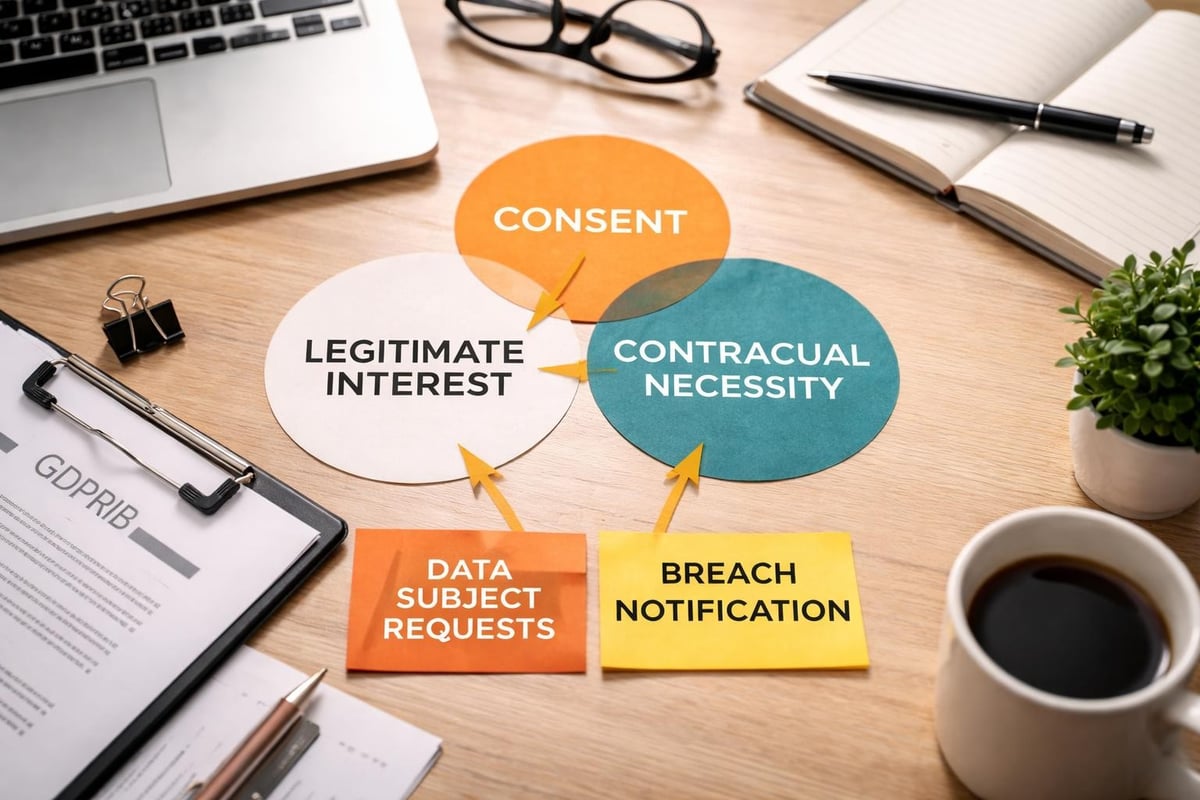
- Lawfulness, fairness, and transparency: Processing must have a legal basis and be explained clearly to data subjects
- Purpose limitation: Data collected for specific purposes cannot be repurposed without additional consent
- Data minimisation: Only necessary information should be collected and retained
- Accuracy: Organisations must take reasonable steps to ensure data remains current and correct
- Storage limitation: Personal data should be kept only as long as necessary for its intended purpose
- Integrity and confidentiality: Appropriate security measures must protect against unauthorised access or loss
- Accountability: Controllers must demonstrate compliance through documentation and governance structures
These principles form the bedrock of compliant operations. Businesses providing cloud storage or hosting services must embed these requirements into their technical architecture and operational procedures.
Individual Rights Under GDPR
European data privacy regulations grant individuals extensive control over their personal information. Understanding these rights helps organisations design systems that can respond efficiently to requests.
Right to Access: Data subjects can request copies of all personal information an organisation holds about them, including details about processing purposes and retention periods.
<p><p>Right to Rectification: Individuals may correct inaccurate or incomplete data, requiring businesses to maintain processes for updating records promptly. <p><strong>Right to Erasure: Sometimes called the “right to be forgotten”, this allows individuals to request deletion of their data under specific circumstances, though exceptions exist for legal obligations or public interest purposes.
- Right to Restrict Processing
- Right to Data Portability
- Right to Object
- Rights Related to Automated Decision Making
Organisations must respond to these requests within one month, necessitating efficient internal procedures and clear documentation of data flows.
Technical and Organisational Measures
Implementing appropriate security measures represents a critical component of European data privacy compliance. In particular, the General Data Protection Regulation does not prescribe specific technologies; instead, it requires organisations to assess risks and then implement proportionate safeguards. Consequently, businesses must adopt security measures that align with the sensitivity of the data while also mitigating potential threats.
Security by Design and Default
Modern approaches to data protection emphasise building privacy into systems from inception rather than bolting it on afterwards. This means evaluating privacy implications during project planning and selecting configurations that maximise protection.
Encryption stands as a fundamental technical measure. Data should be encrypted both in transit and at rest, with encryption keys managed t
hrough robust processes that prevent unauthorised access. For businesses exploring secure cloud storage solutions, understanding the encryption standards implemented by providers becomes essential.
| Security Measure | Purpose | Implementation Example |
|---|---|---|
| Access Controls | Limit data access | Role-based permissions |
| Encryption | Protect confidentiality | AES-256 encryption |
| Audit Logging | Track data access | Comprehensive activity logs |
| Pseudonymisation | Reduce identification risk | Tokenisation of identifiers |
| Regular Backups | Ensure availability | Automated daily backups |
Data Protection Impact Assessments
When processing activities present high risks to individual rights, organisations must conduct Data Protection Impact Assessments (DPIAs). In particular, these systematic evaluations identify potential privacy risks and determine appropriate mitigation strategies.
Furthermore, DPIAs become mandatory for operations involving systematic monitoring, processing of sensitive data at scale, or the use of innovative technologies. Specifically, the assessment must describe the processing operations, evaluate necessity and proportionality, and outline measures to address identified risks. Consequently, organisations can proactively manage privacy concerns while ensuring alignment with European data protection requirements.
Cross-Border Data Transfers
European data privacy extends beyond EU borders through restrictions on international data transfers. Specifically, personal data may only be transferred to countries deemed to provide adequate protection or through specific safeguarding mechanisms. As a result, organisations must carefully evaluate cross-border data flows to ensure compliance with European data protection requirements while also protecting individuals’ privacy rights.
Adequacy Decisions and Alternative Mechanisms
The European Commission maintains a list of countries with adequate data protection s
tandards, including Japan, Switzerland, and several others. Transfers to these jurisdictions proceed without additional safeguards.
For transfers to other countries, organisations must implement appropriate mechanisms:
Standard Contractual Clauses (SCCs): Pre-approved contract templates that establish legally binding data protection obligations between data exporters and importers.
Binding Corporate Rules (BCRs): Internal policies approved by supervisory authorities that permit multinational corporations to transfer data within their corporate group.
Certification Mechanisms: Approved certification schemes that demonstrate adequate data protection practices.
The U.S. Department of Commerce provides comprehensive guidance on EU data privacy for businesses navigating transatlantic data flows, particularly relevant following the Privacy Shield invalidation.
<p>Businesses must also assess whether recipient country laws might conflict with GDPR protections, particularly regarding government access to data. This requires ongoing monitoring of legal developments and potential supplementary measures like enhanced encryption.
Enforcement and Accountability
European data privacy regulations carry substantial enforcement mechanisms designed to ensure compliance. Understanding the supervisory landscape helps organisations prepare appropriately.
Supervisory Authorities and Cooperation
Each EU member state maintains a data protection authority responsible for enforcement within its jurisdiction. The European Data Protection Supervisor coordinates these national authorities and oversees EU institutions.
The one-stop-shop mechanism allows organisations with cross-border operations to deal primarily with a lead supervisory authority, typically located where the main establishment conducts processing activities. This streamlines compliance for multinational businesses whilst maintaining consistent enforcement.
Penalties and Sanctions
GDPR violations can result in administrative fines up to €20 million or 4% of annual global turnover, whichever is higher. Supervisory authorities consider several factors when determining penalties:
<ul>
- Nature, gravity, and duration of the infringement
- Intentional or negligent character of the violation
- Actions taken to mitigate damage suffered by data subjects
- Previous infringements and compliance history
- Cooperation with supervisory authorities
- Categories of personal data affected
Beyond financial penalties, authorities may issue warnings, reprimands, or orders to suspend processing activities. Reputational damage from publicised enforcement actions often exceeds direct financial costs.
Sector-Specific Considerations
Whilst european data privacy principles apply universally, certain sectors face additional requirements or particular challenges in implementation.
Cloud Services and Hosting Providers
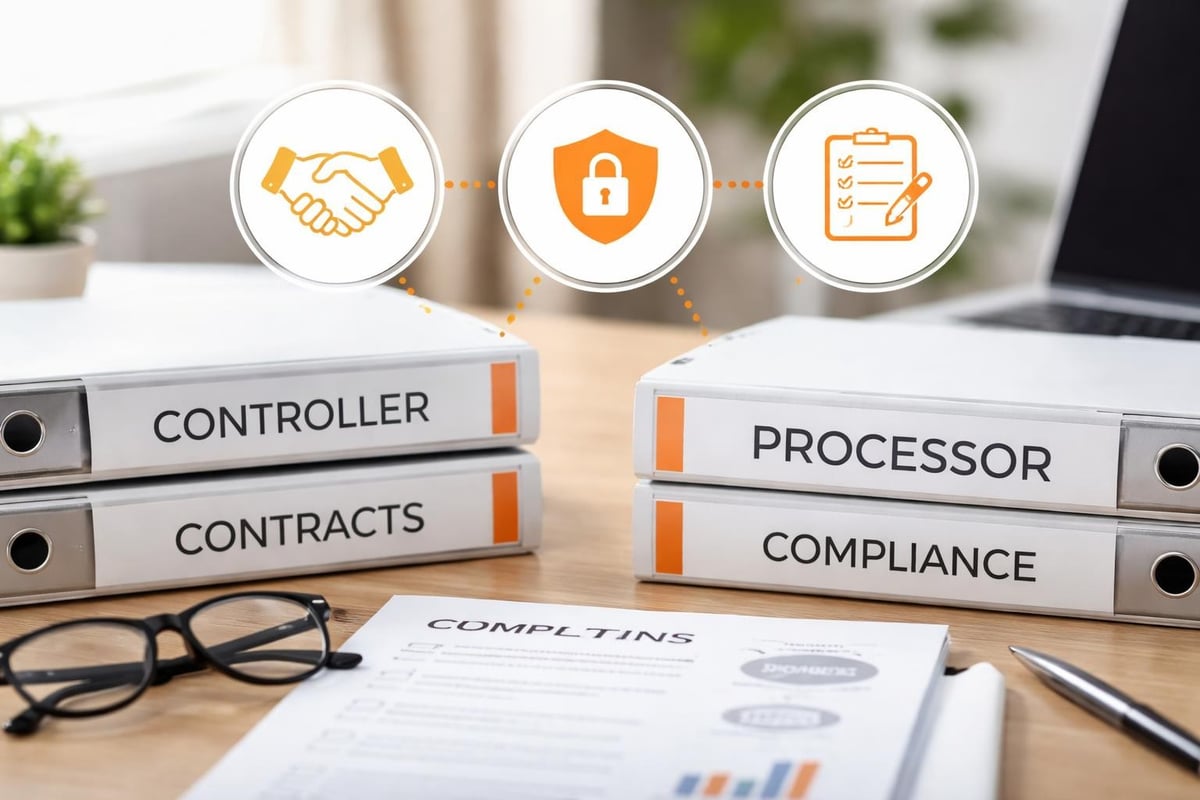
Providers of cloud infrastructure and hosting services occupy a unique position within the data protection ecosystem. They typically act as data processors rather than controllers, processing personal data on behalf of client organisations.
<p>This relationship creates specific obligations. Processors must only act on documented instructions from controllers and implement appropriate technical and organisational measures. They cannot engage sub-processors without authorisation and must assist controllers in fulfilling data subject rights requests.
For businesses considering cloud migration, evaluating provider compliance becomes essential. Questions to address include:
- Where are data centres physically located?
- What encryption standards protect data at rest and in transit?
- How does the provider handle data subject access requests?
- What certifications or attestations demonstrate compliance?
- How are backups managed and secured?
Companies like vBoxx that emphasise privacy and security in their cloud solutions often provide detailed documentation addressing these concerns, enabling clients to meet their own compliance obligations. For organisations seeking comprehensive guidance on secure cloud architecture, scheduling a demonstration of integrated cloud solutions can clarify how privacy requirements translate into technical implementation.
Emerging Developments and Future Trends
European data privacy continues evolving as technology advances and societal expectations shift. Staying informed about regulatory developments helps organisations anticipate compliance requirements.
Artificial Intelligence and Automated Processing
The rise of AI and machine learning technologies has prompted regulatory scrutiny around automated decision-making. GDPR already restricts solely automated decisions with legal or similarly significant effects, granting individuals rights to human intervention and explanation.
Proposed AI regulations would introduce additional requirements for high-risk systems, including transparency obligations and human oversight measures. Organisations deploying AI must consider both current data protection requirements and anticipated regulatory developments.
ePrivacy Regulation
The proposed ePrivacy Regulation aims to update and replace the existing directive, addressing modern communication technologies and aligning more closely with GDPR. Key provisions would strengthen consent requirements for cookies and other tracking technologies whilst clarifying rules for electronic marketing.
Though negotiations continue, businesses should monitor developments to prepare for potentially stricter requirements around digital tracking and communication privacy.
International Cooperation
European data privacy increasingly influences global standards. The Convention for the Protection of Individuals with Regard to Automatic Processing of Personal Data demonstrates international efforts to harmonise data protection principles beyond EU borders.
Academic research continues examining regulatory approaches, with studies exploring strategic regulation of personal data and communications confidentiality rights, contributing to ongoing policy debates.
Building a Compliance Framework
Establishing robust data protection governance requires systematic effort across multiple organisational dimensions. A comprehensive framework addresses legal, technical, and operational aspects of european data privacy.
Governance Structures
Appoint a Data Protection Officer (DPO) where required by GDPR, ensuring this individual possesses appropriate expertise and independence. Even when not mandatory, designating a privacy lead clarifies accountability and facilitates compliance.
Establish clear policies covering:
- Data collection and consent management
- Vendor due diligence and processor agreements
- Incident response and breach notification
- Data subject rights request handling
- Cross-border transfer mechanisms
- Record-keeping and documentation
Staff Training and Awareness
Human error remains a leading cause of data protection failures. Regular training ensures staff understand their responsibilities and can identify potential risks.
Training programmes should be tailored to roles, with technical staff receiving detailed instruction on security measures whilst customer-facing employees learn proper consent procedures and data handling practices.
Continuous Monitoring and Improvement
Compliance isn’t a one-time achievement but an ongoing process. Regular audits verify that implemented measures remain effective and identify areas for enhancement.
Monitor regulatory developments through official data protection resources and industry publications. Participate in sector-specific forums where privacy professionals share insights and best practices.
Document all processing activities in a register that includes purposes, categories of data, recipients, retention periods, and security measures. This documentation proves invaluable during audits or when responding to data subject requests.
Risk Management in Practice
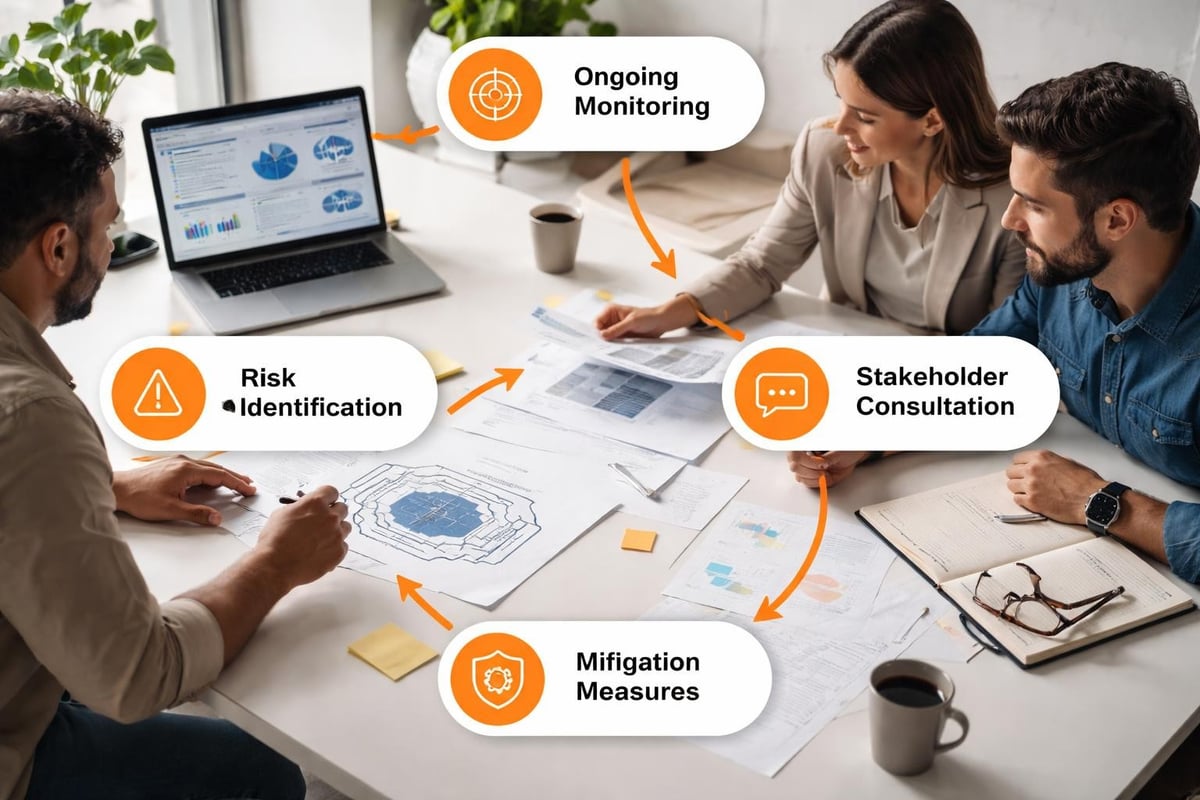
Effective european data privacy compliance requires identifying, assessing, and mitigating risks throughout data lifecycles. A structured approach helps organisations prioritise efforts and allocate resources efficiently.
Identifying Privacy Risks
Common risk sources include:
- Unauthorised Access: Inadequate access controls allowing inappropriate data viewing or modification
- Data Breaches: Security incidents resulting in data loss, theft, or unauthorised disclosure</li>
- Third-Party Processing: Vendors or partners failing to maintain adequat
- e security standards
- Retention Violations: Keeping personal data longer than necessary for original purposes
<li>
Cross-Border Transfers
- : Moving data to jurisdictions without adequate protection
Risk assessment should consider both likelihood and potential impact, with high-risk scenarios receiving priority attention.
Mitigation Strategies
Layered security approaches provide defence in depth against various threats. Combining technical measures like encryption and access logging with organisational controls such as staff training and vendor management creates robust protection.
Incident response planning enables swift action when breaches occur. Plans should define detection procedures, containment measures, investigation protocols, and notification requirements. The European Court of Auditors’ guidance on personal data protection offers insights into institutional approaches that can inform private sector practices.
Test incident response plans regularly through simulated breach scenarios, ensuring teams can execute procedures effectively under pressure.
European data privacy represents both a legal obligation and a competitive advantage for businesses operating in the digital economy. By implementing robust security measures, transparent processing practices, and comprehensive governance frameworks, organisations protect individual rights whilst building customer trust. vBoxx delivers secure cloud infrastructure designed with privacy at its core, helping businesses meet stringent compliance requirements through encrypted storage, controlled access systems, and sustainable hosting practices. Contact our team to explore how privacy-focused cloud solutions can strengthen your data protection posture whilst supporting business growth.