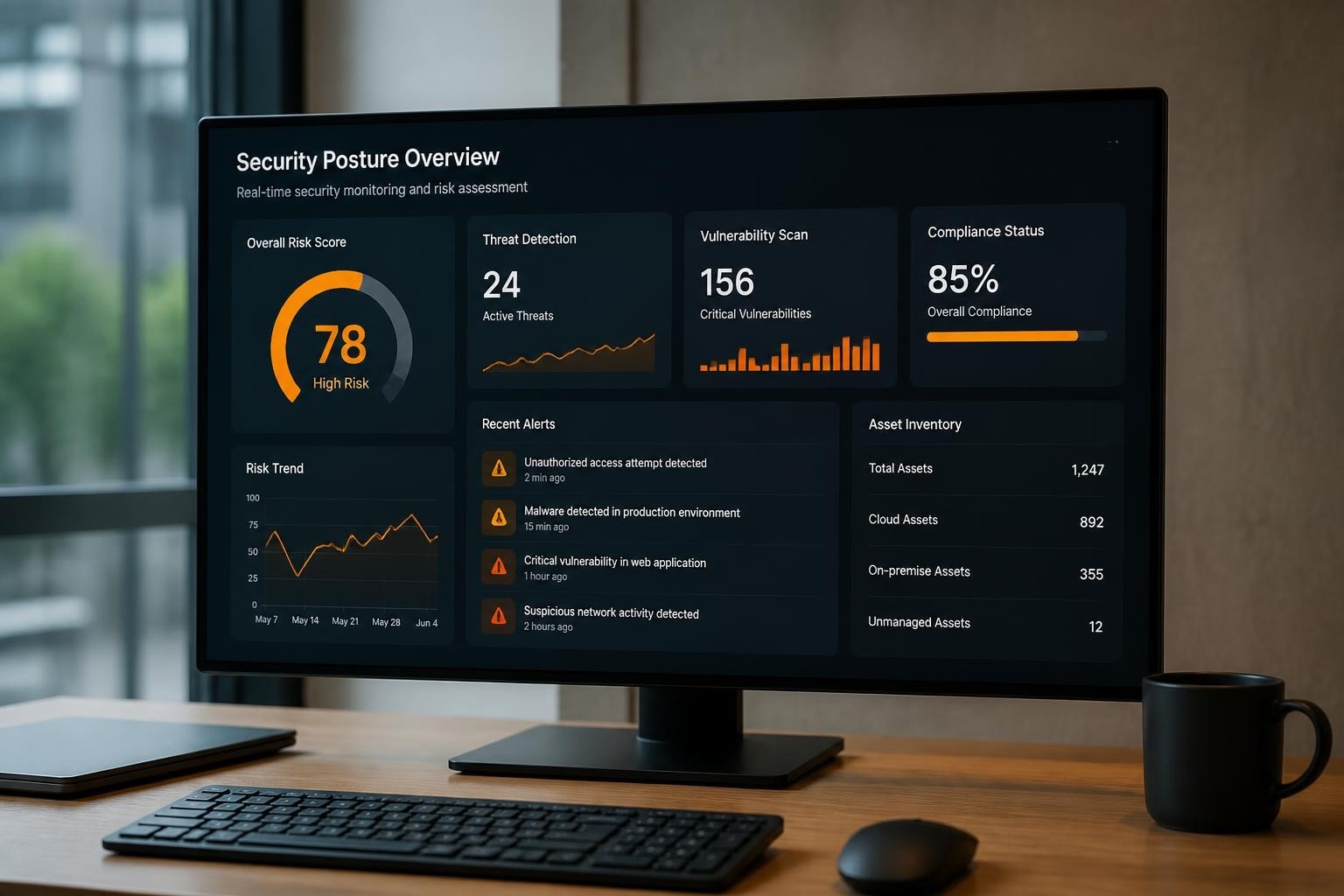

Data breaches and cyber threats have become more sophisticated in 2026, putting both individuals and businesses at constant risk. As digital information grows, secure file hosting services are now essential for protecting sensitive data and meeting strict compliance standards. In this article, we will guide you through the top 7 platforms that excel in security, privacy, and regulatory compliance. You will discover how each service compares on features, pricing, and benefits, helping you make a confident, informed choice for your digital storage needs.
What Makes a File Hosting Service Secure in 2026?
As cyber threats evolve, understanding what sets secure file hosting services apart is essential. Security in 2026 is holistic, blending technical innovation, legal compliance, user experience, and business support. Let us break down the core elements that ensure your files stay protected, private, and accessible only to those you trust.
Defining Security Standards for File Hosting
Modern file hosting services rely on robust security protocols to safeguard data. AES-256 encryption is now standard, securing files both in transit and at rest. Many platforms implement end-to-end encryption, ensuring only authorised users can access sensitive information.
Multi-factor authentication (MFA) adds another layer of protection, while zero-knowledge architecture means providers cannot view your files, even if compelled. Industry certifications such as ISO 27001, GDPR, and the new NIS2 directive are now baseline requirements.
A recent case in Europe showed that non-compliance with these standards led to significant fines and reputational damage. Additionally, AI-driven threat detection and anomaly monitoring are becoming critical, enabling file hosting services to respond instantly to emerging risks.
Data Residency, Privacy Laws, and Compliance
Where your data is stored matters more than ever. Data residency requirements differ across regions, particularly between the EU and the US. GDPR and similar laws influence how file hosting services handle, process, and protect information.
European providers must offer transparency in data handling and maintain detailed access logs. This is crucial for industries like healthcare, finance, and legal, where regulatory scrutiny is intense. US-based services may not always meet strict European standards, creating potential compliance gaps.
For a deeper dive, see this Data localization laws overview, which explains how local regulations shape provider choices and obligations. Ensuring your file hosting services comply with relevant privacy frameworks is vital for risk mitigation.
Usability, Collaboration, and Access Controls
Security should not come at the expense of usability. Leading file hosting services strike a balance by offering intuitive interfaces alongside strong protection. Role-based access controls let administrators assign granular permissions, ensuring users only access what they need.
Integration with productivity suites like Microsoft 365 and Google Workspace is now expected. Real-time collaboration tools, secure file versioning, and mobile access empower teams to work efficiently from anywhere. These features make file hosting services a cornerstone for modern, distributed teams.
Pricing, Scalability, and Support
File hosting services vary significantly in pricing and scalability. Free and freemium plans cater to individuals, while business tiers address the needs of growing teams and enterprises. Scalable storage, flexible user management, and guaranteed service levels are key differentiators.
Responsive customer support and clear service-level agreements (SLAs) are essential for business-critical operations. For example, a small business may pay a modest monthly fee, while an enterprise might require custom solutions and dedicated support. Ultimately, evaluating the total cost of ownership helps organisations choose file hosting services that match both their budget and security expectations.
Top 7 File Hosting Services for Secure Storage in 2026
The landscape of file hosting services in 2026 is defined by a strong focus on security, privacy, and regulatory compliance. Whether you are an individual, a small business, or a large enterprise, selecting the right platform is vital for safeguarding sensitive information. Below, we review the top seven file hosting services that set the benchmark for secure storage, robust features, and user-centric benefits.
vBoxxCloud
vBoxxCloud leads the market for secure file hosting services in Europe, offering a privacy-first approach. All data is stored within European borders, ensuring strict adherence to GDPR and NIS2 requirements. Organisations can choose from scalable plans tailored for SMEs and enterprises, with custom quotes and a free trial available.
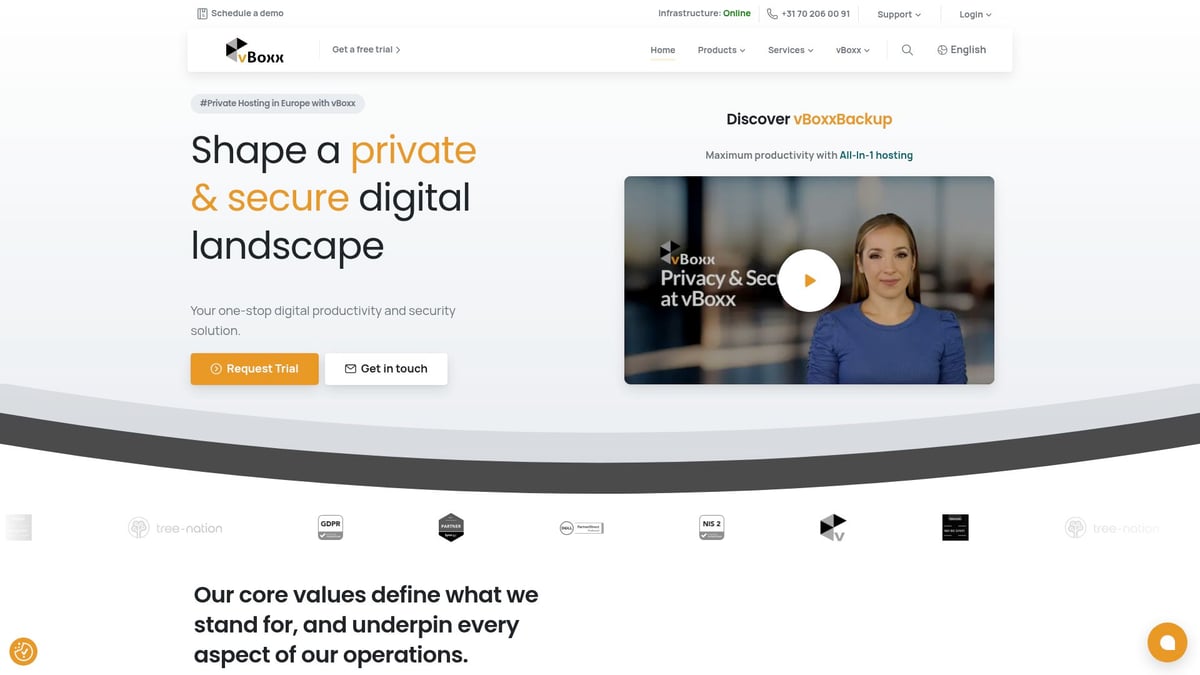
Core features include:
- European data residency and ISO 27001 certification
- End-to-end encryption and zero-knowledge architecture
- Advanced access controls and secure file sharing
- Integrated backup solutions and productivity tools
vBoxxCloud stands out for its green hosting policies and expert support, making it especially attractive to privacy-conscious businesses and regulated industries. As a certified Synology and Dell partner, vBoxxCloud delivers comprehensive IT solutions and smooth migration services.
Pros:
- Unmatched European privacy and compliance
- All-in-one solution for storage, backup, and productivity
- Customisable features for varied business needs
Cons:
- No public free plan
- Primarily business-focused
A unique selling point is vBoxxCloud’s ability to combine secure storage with productivity tools while maintaining compliance under strict European laws. For a deeper understanding of encryption and compliance, see Secure file storage best practices. This makes vBoxxCloud a leading choice among file hosting services for those prioritising privacy and regulatory peace of mind.
IONOS HiDrive
IONOS HiDrive is one of the top file hosting services for users who demand robust security and European data residency. With pricing starting at just £1.50 per month, it is accessible for both individuals and businesses. Monthly contracts offer flexibility, and storage is scalable up to 2 TB and beyond.
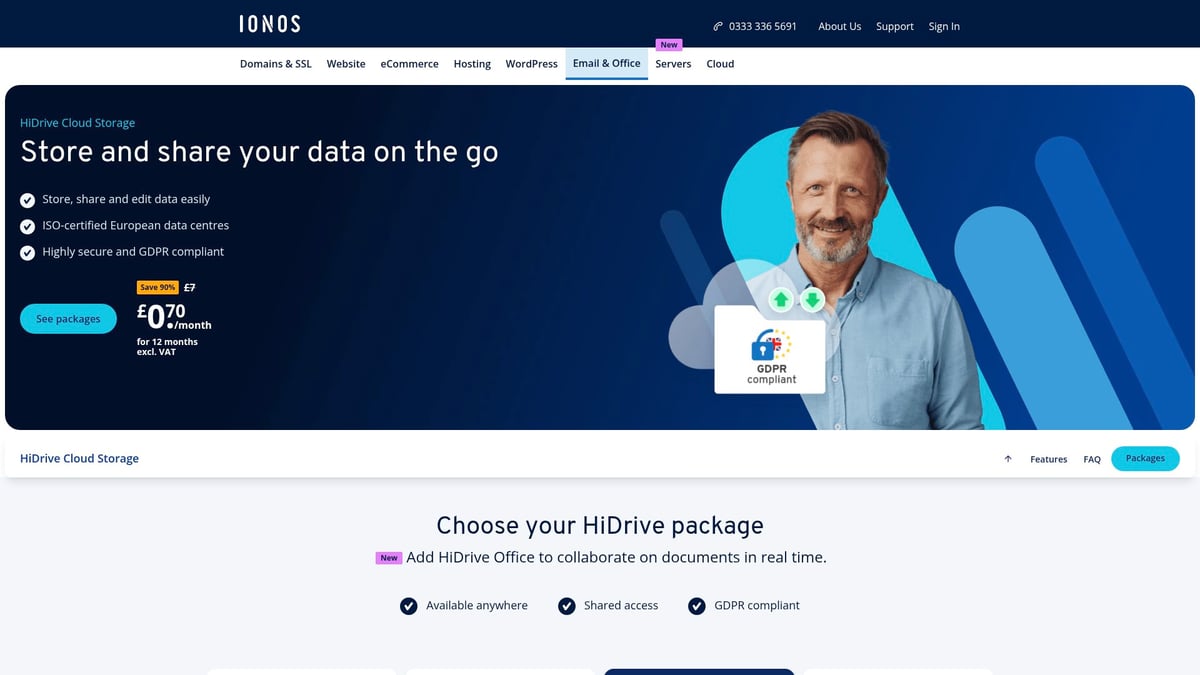
Key features:
- ISO-certified European data centres
- GDPR-compliant handling of personal and business data
- Mobile apps for remote access
- File versioning and secure sharing options
IONOS HiDrive appeals to SMEs, freelancers, and privacy-focused users who require EU compliance. Its strong data protection and transparent handling of information make it a trusted choice.
Pros:
- Highly secure infrastructure
- GDPR focus and transparent policies
- Affordable entry-level plans
Cons:
- Limited free storage
- Advanced features only in higher tiers
Businesses needing strict European data residency often select IONOS HiDrive as their file hosting services provider, due to its commitment to compliance and flexible storage solutions.
Dropbox
Dropbox remains a household name in file hosting services, known for its intuitive interface and reliable performance. With a free plan offering 2 GB and paid plans starting from £7.99 per month, Dropbox suits a wide range of users from individuals to large teams.
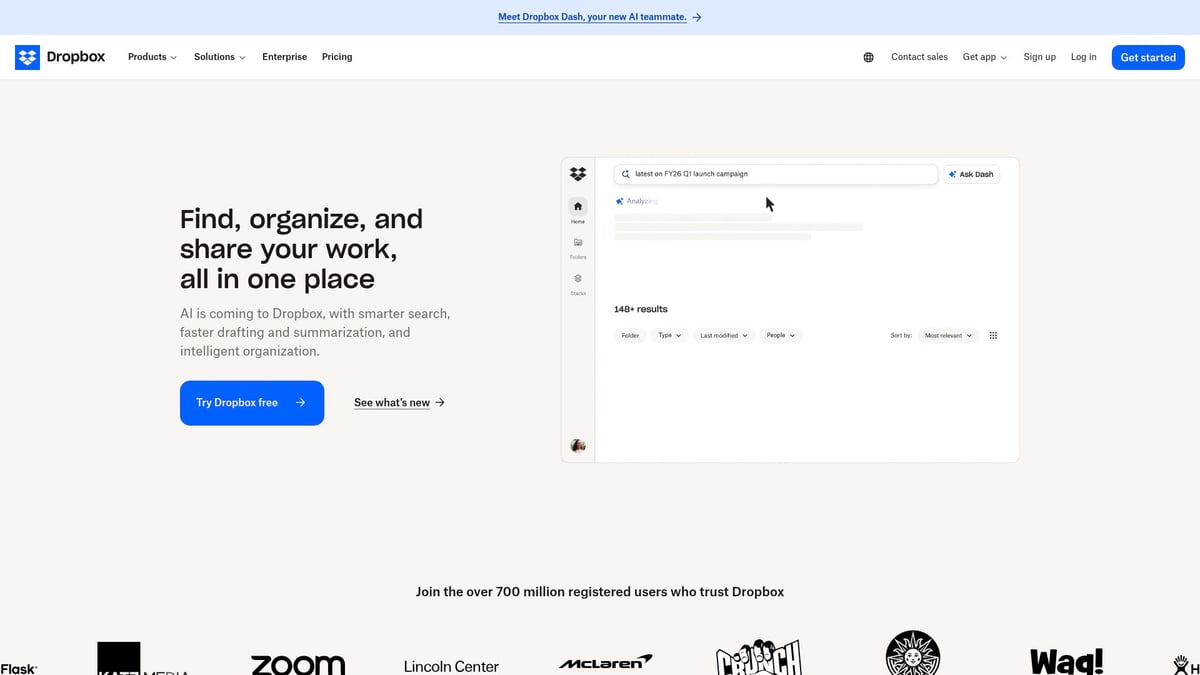
Core features:
- Real-time sync and file versioning
- Advanced sharing controls
- Smart Sync for efficient storage management
- Extensive third-party integrations
Dropbox is ideal for individuals, creative teams, and businesses seeking seamless file access and collaboration. Its mobile experience and robust uptime are industry-leading.
Pros:
- User-friendly design and navigation
- Broad integration with popular tools
- Excellent mobile and cross-device support
Cons:
- Most servers are US-based
- Advanced security features locked to business plans
Security is ensured with two-factor authentication, file recovery, and admin controls. Dropbox continues to be one of the most trusted file hosting services for ease of use and dependability.
Box
Box is synonymous with enterprise-grade file hosting services and workflow automation. With a free plan offering 10 GB and business plans starting at £12 per user per month, Box caters to organisations with demanding security and compliance needs.
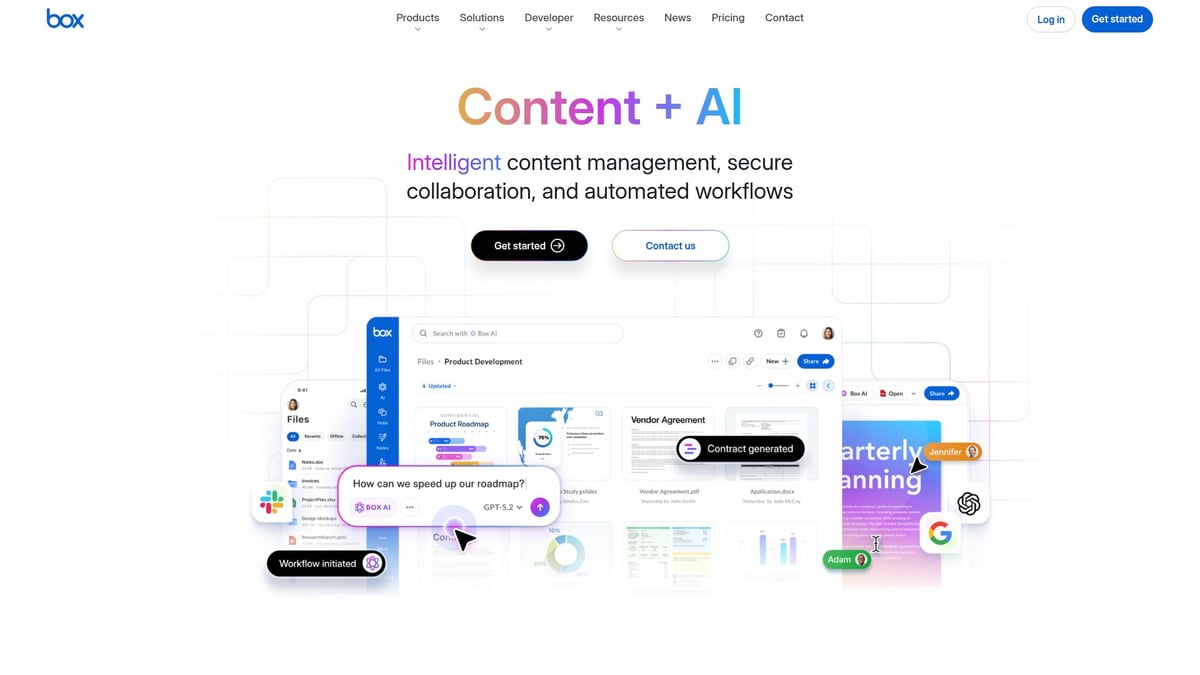
Core features:
- End-to-end encryption and advanced access controls
- Workflow automation and API integration
- Wide range of compliance certifications
Box is particularly well-suited for enterprises, legal, and financial sectors that need granular permissions and detailed user management.
Pros:
- Unlimited storage in business plans
- Powerful workflow automation
- Detailed compliance and user management
Cons:
- Free plan is limited
- No Linux sync client
Multinational corporations often choose Box for its compliance credentials and robust file hosting services, especially when regulatory requirements are critical.
Google Drive
Google Drive continues to be a leader in file hosting services, offering a generous 15 GB of free storage and paid plans from £1.59 per month. Its seamless integration with Google Workspace makes it ideal for students, professionals, and teams working across devices.
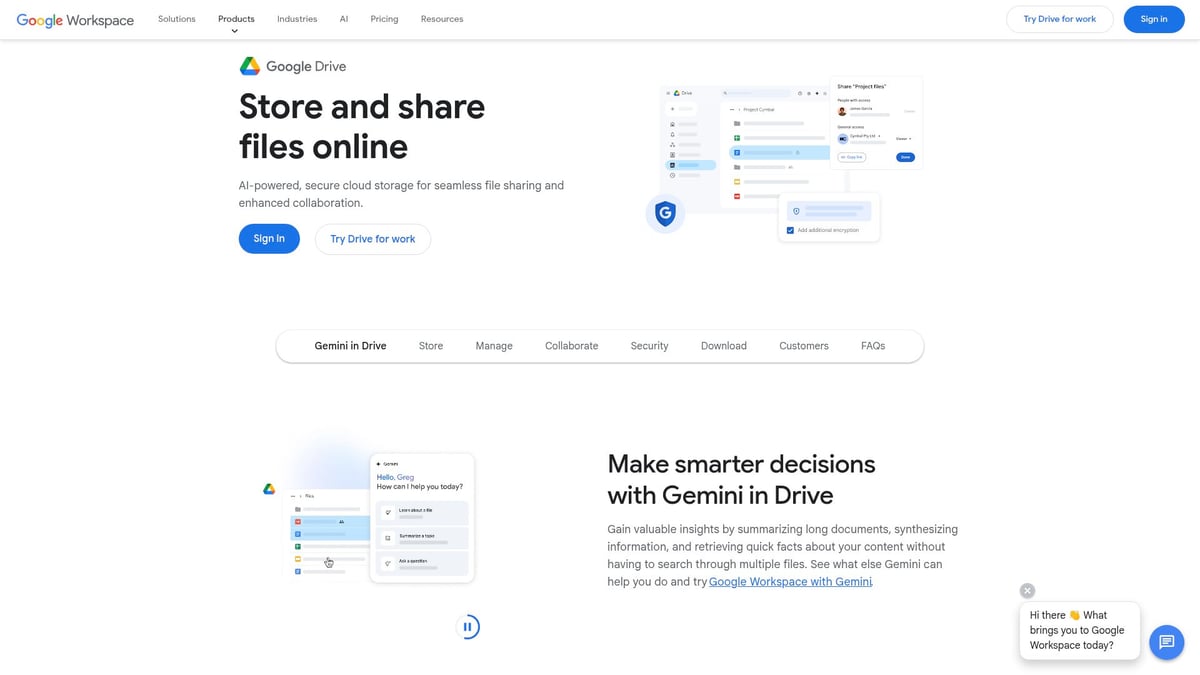
Key features:
- AI-powered search capabilities
- Real-time collaboration and file sharing
- Smooth integration with Google apps
Google Drive’s intuitive interface and frequent updates keep it at the forefront of user experience. It is widely used for both personal and professional purposes.
Pros:
- Generous free storage allocation
- Strong collaboration tools
- Easy access across platforms
Cons:
- Data stored globally, leading to privacy concerns
- Not ideal for highly sensitive data
Security includes two-factor authentication and regular audits. Google Drive remains a reliable option for those who value convenience in their file hosting services.
Microsoft OneDrive
Microsoft OneDrive is tightly integrated with Windows and Office, making it a natural choice for businesses using Microsoft 365. With 5 GB free and business plans available, OneDrive supports hybrid workforces and offers robust recovery tools.
Core features:
- Deep Windows and Office integration
- File versioning and ransomware detection
- Personal vault for sensitive files
OneDrive is ideal for Windows users and organisations standardising on Microsoft ecosystems. Its advanced security features and competitive pricing support both small and large teams.
Pros:
- Seamless Office integration
- Advanced recovery and security options
- Scalable business features
Cons:
- Data residency mainly US-based
- Limited free storage
Companies seeking a unified platform for productivity and secure file hosting services often select OneDrive for its familiarity and integration capabilities.
WeTransfer
WeTransfer specialises in simple, secure file transfers, distinguishing itself from traditional file hosting services. Users can send files up to 3 GB for free without registration, with Pro plans starting at £10 per month and custom enterprise options available.
Core features:
- Hassle-free large file transfers
- Time-limited download links
- EU data storage for European users
WeTransfer is popular among creative professionals and agencies who need to send large files quickly and securely. Privacy options and unlimited storage in paid plans add to its appeal.
Pros:
- No account required for recipients
- GDPR-friendly data handling
- Unlimited storage with Pro plans
Cons:
- Focuses on transfers, not ongoing storage
- Files deleted after expiry
Designers and media agencies often rely on WeTransfer for secure, rapid file delivery, reinforcing its status among leading file hosting services.
Key Factors to Consider When Choosing a Secure File Hosting Service
Choosing the right file hosting services in 2026 requires a careful balance of security, compliance, usability, and cost. With increasing risks and evolving regulations, it is essential to evaluate providers using clear criteria. Below, we explore the key factors every organisation should consider when selecting a secure file hosting solution.
Data Security and Encryption Protocols
The foundation of secure file hosting services lies in robust encryption and access management. Leading providers use end-to-end and client-side encryption, such as AES-256, to safeguard data in transit and at rest. It is vital to understand how a provider manages encryption keys, as true zero-knowledge architecture ensures only you control data access.
Multi-factor authentication adds another layer of protection, reducing the risk of unauthorised entry. For a deeper dive into encryption strategies and their impact on online storage, see this overview of online encrypted storage. Ultimately, balancing usability with strong encryption is crucial for both individuals and enterprises.
Compliance and Data Residency
Compliance with regulations such as GDPR, HIPAA, and NIS2 is non-negotiable for many organisations. The location of a provider’s data centres can affect legal obligations and data privacy. European-based file hosting services like vBoxxCloud and IONOS prioritise data residency within the EU, offering greater protection for sensitive information.
Transparency in data handling and access logs is essential for regulated industries. For more insights into compliance trends and the importance of European infrastructure, visit European cloud infrastructure insights. Storing data outside your jurisdiction can introduce legal and reputational risks, so always verify certifications before making a decision.
Collaboration and Integration Capabilities
Modern file hosting services must offer more than just secure storage. Real-time collaboration, file versioning, and seamless integration with productivity suites like Microsoft 365 or Google Workspace are now standard requirements. Role-based access controls and granular permissions help organisations tailor access to sensitive documents.
API access allows for workflow automation and custom integrations, which are particularly valuable for businesses with complex processes. Mobile and cross-platform support ensure that teams remain productive and secure, whether working remotely or in the office.
Pricing, Scalability, and Support
Costs can vary significantly between free, personal, and business plans. When evaluating file hosting services, consider not only upfront pricing but also scalability for future growth. Look for providers offering flexible plans that adapt to your team’s changing storage needs.
Responsive customer support and clear service level agreements are essential, especially for business-critical data. For enterprise solutions, custom quotes may be necessary, but always assess the total cost of ownership against the feature set provided. A transparent approach to pricing and support is a hallmark of a trustworthy provider.
The Future of Secure File Hosting: Trends to Watch in 2026
As digital landscapes evolve, file hosting services are rapidly adapting to meet new security, privacy, and sustainability demands. The next wave of innovation focuses on smarter, safer, and greener solutions. Here is what you can expect from the future of secure file hosting services.
AI-Driven Security and Smart Storage
AI is transforming the way file hosting services protect data. Intelligent algorithms now monitor activity in real time, detecting anomalies and potential threats before they escalate. This proactive defence is crucial as cyberattacks grow in sophistication.
Automated file categorisation and AI-powered search capabilities help users find information quickly while maintaining high security standards. Predictive analytics also play a role, optimising storage allocation and reducing unnecessary data retention.
Providers are leveraging AI to minimise human error, which remains a leading cause of breaches. As threat actors attempt to exploit legitimate platforms, robust AI helps mitigate risks. To understand the challenges, see how file hosting services are misused for identity phishing.
In summary, AI integration is setting new benchmarks for secure and efficient file hosting services.
Privacy and Compliance Innovations
Regulation is at the heart of future file hosting services. New rules, like NIS2 and stricter GDPR requirements, are prompting providers to enhance privacy tools and transparency. Users now expect detailed audit logs and live dashboards showing data access and movement across platforms.
European file hosting services are leading the way, offering local data residency and zero-knowledge encryption. These features are especially relevant for businesses in finance, health, and legal sectors, where compliance is non-negotiable.
The demand for privacy-centric solutions is driving growth in providers that emphasise user control. For a deep dive into new compliance trends, read about trends in secure file sharing 2026.
Ultimately, compliance and privacy innovations are shaping the criteria for trustworthy file hosting services.
Enhanced Collaboration and Workflow Automation
Modern file hosting services are not just about storage, they are about seamless teamwork. Deep integrations with productivity and communication tools mean files move securely through automated workflows, approvals, and version control.
Automated document processing, embedded e-signature capabilities, and lifecycle management are now standard. These enhancements support remote and hybrid workforces, enabling secure access and real-time collaboration from any device.
Providers invest in robust APIs, allowing businesses to tailor file hosting services to their unique workflows. This flexibility ensures that collaboration does not compromise security or compliance.
As teams become more distributed, advanced automation in file hosting services will be a defining factor for productivity and safety.
Green Hosting and Sustainability
Sustainability is an emerging priority for file hosting services. Providers are investing in eco-friendly data centres powered by renewable energy and certified for minimal environmental impact.
Green hosting is becoming a differentiator, with carbon-neutral operations and transparent sustainability reports. Businesses and individuals increasingly select providers that align with their environmental values.
Commitments to green practices not only reduce the carbon footprint but also signal a forward-thinking approach to technology. Sustainable file hosting services are expected to set industry benchmarks and influence future regulations.
As demand for responsible IT grows, eco-conscious file hosting services will shape the future of digital storage.
With cyber threats evolving and data privacy regulations becoming stricter, finding a secure and compliant file hosting solution is more important than ever. If you’re looking for a provider that truly prioritises your business’s privacy, security, and sustainability, vBoxx stands out with its European data residency, robust encryption, and green hosting practices. Whether you need reliable cloud storage, seamless collaboration, or expert support for compliance, vBoxx can help you build a digital infrastructure you can trust. Ready to see how it fits your needs? Start a free trial and experience the difference for yourself.