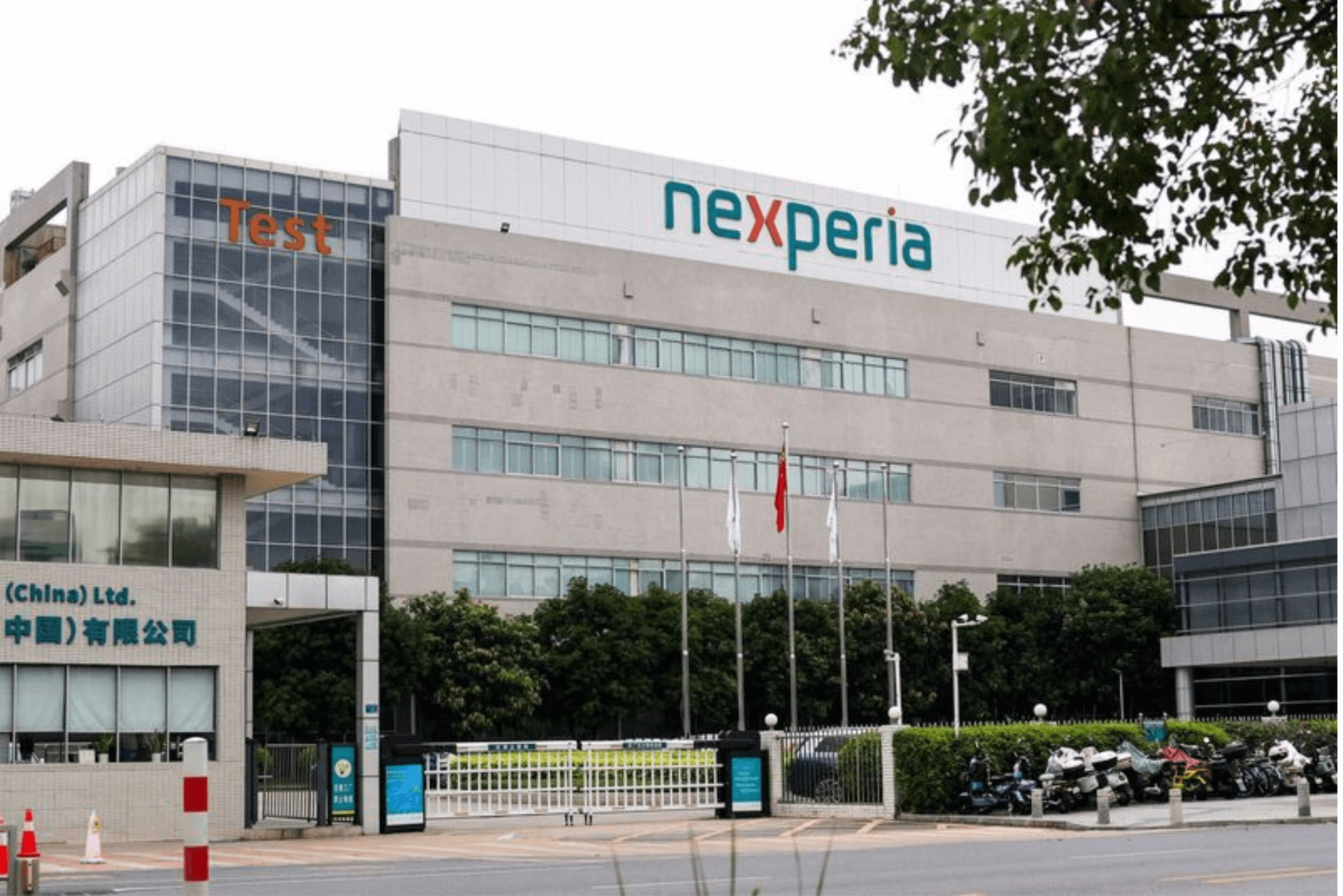

The semiconductor industry is already navigating a period of intense disruption-and the Nexperia crisis adds yet another layer of complexity. As Europe, Asia and the U.S. compete to secure access to critical chip technology, the dispute surrounding Nexperia reveals how fragile the semiconductor supply chain has become.
Moreover, this crisis doesn’t just affect automotive manufacturing – it ripples into consumer electronics, industrial systems and tech infrastructure, underscoring why the “semiconductor supply crisis” is no longer a buzz-term but a strategic reality.
Quick summary
| Key takeaway | Explanation |
|---|---|
| European supply-chain dependency revealed | The Nexperia dispute exposed how Europe’s automotive and tech industries rely on chip-packaging and fabrication functions (in this case, largely based in China) for components essential to production. |
| Government intervention escalates semiconductor industry geopolitics | The Dutch government’s invocation of the 1952 Goods Availability Act to assume control of Nexperia signals a new era where semiconductor firms may become geopolitical pawns. |
| Automotive manufacturers hit first | The immediate impact of the Nexperia dispute – export bans from China, supply halts – hit car-makers hardest, showing that “chips for cars” are critical infrastructure. |
| Governance risk at foreign-owned firms matters | Concerns about Nexperia’s ownership and potential tech/knowledge transfer triggered the action, raising issues about non-EU ownership of strategic firms. |
The Nexperia Crisis in Context: What triggered it?
The Nexperia crisis began when the Dutch government invoked the Goods Availability Act in September 2025 to take control of the chipmaker due to governance concerns and risks linked to its Chinese owner, Wingtech. This decision quickly escalated tensions, and China responded by restricting exports of Nexperia-packaged chips, arguing that the intervention disrupted the company’s global operations.
Moreover, because over 70% of Nexperia’s components were packaged in China, the export ban immediately affected European and Asian manufacturers. As a result, automakers began reporting production risks and potential delays. For example, one major automaker in Japan considered reducing output of a key SUV model due to shortages.
Impacts on Tech and Automotive Supply Chains
Sector-wide repercussions
Firstly, from a technical perspective, the chips produced by Nexperia (discretes, MOSFETs, diodes) may not be cutting-edge node devices – but they are essential building-blocks in automotive electronics (ECUs, sensors), consumer devices and power systems.When such components face disruption, system integrators cannot substitute overnight because of qualification cycles and automotive safety grades (e.g., ISO 26262).
Secondly, from a strategic viewpoint, the crisis highlights the dependence of European industries on non-European controlled packaging/test capacity. In effect, even though design and high-end fabrication may happen in Europe, packaging and final integration (as in Nexperia’s case) were reliant on China. This weakens Europe’s digital sovereignty and increases exposure to foreign policy moves. Analysts note the dispute “rekindles a debate about foreign investment in Europe’s technology supply chain”.
Why the EU should pay attention: Sovereignty and Dependency
EU risks exposed by the semiconductor crisis
The Nexperia crisis highlights a simple problem: Europe depends heavily on others for key parts of the chip supply chain. Europe can design and even produce some chips, but packaging, testing and final assembly often happen abroad. Therefore, these last steps remain outside Europe’s direct control.
Moreover, Dutch authorities acted because they saw “serious governance shortcomings” and feared that important intellectual property could move from Europe to China. These concerns go straight to the issue of digital sovereignty. If Europe outsources too much, it also gives up control over critical technology.
Strategically, the dispute shows how deeply semiconductor flows are tied to geopolitics. The U.S. export controls, the Dutch intervention and China’s export ban all collided around one company. This triangle of actions demonstrates that the chip industry is not only technical – it is political. As a result, Europe will need to rely more on tools such as investment screening, export rules and supply-chain diversification to protect its interests.
How to address the Nexperia crisis through supply-chain resilience & partner choices
To respond to the Nexperia crisis and similar semiconductor supply disruptions, firms and governments can take the following steps:
- Work with trusted, diversified suppliers. Choose partners that operate in multiple regions, which lowers the risk of dependency on a single country.
- Use alternative packaging and testing locations. Spread these final production steps across different regions. This helps maintain supply even if one location faces restrictions or political tension.
- Invest in European packaging and testing capacity. Building more of these facilities in Europe gives companies and governments greater control over critical stages of chip production.
- Review ownership and governance risks. Check if key suppliers could face foreign-ownership issues, export-control pressure or management decisions that might trigger political intervention.
- Improve inventory and qualification planning. Keep strategic stock, qualify backup suppliers earlier and prepare alternative sourcing routes before a disruption occurs.
Future-Proof Your Operations: Build a Safer, More European Supply Chain
The Nexperia crisis makes one thing clear: supply-chain shocks in the semiconductor industry are no longer theoretical – they are already disrupting production across Europe, America and Asia. Moreover, the dispute shows how vulnerable companies become when critical technology depends on foreign infrastructure, foreign governance, and foreign political decisions.
At vBoxx, we understand the importance of secure, sovereign and reliable digital infrastructure. Our solutions are built and hosted in Europe, ensuring full compliance, data protection and independence from foreign interference. As companies rethink their supply-chain strategies, the same logic applies to their digital tools: choose partners that support European autonomy and long-term stability.
To explore how European-hosted services and stronger supply-chain planning can protect your operations, visit our website or contact our team.