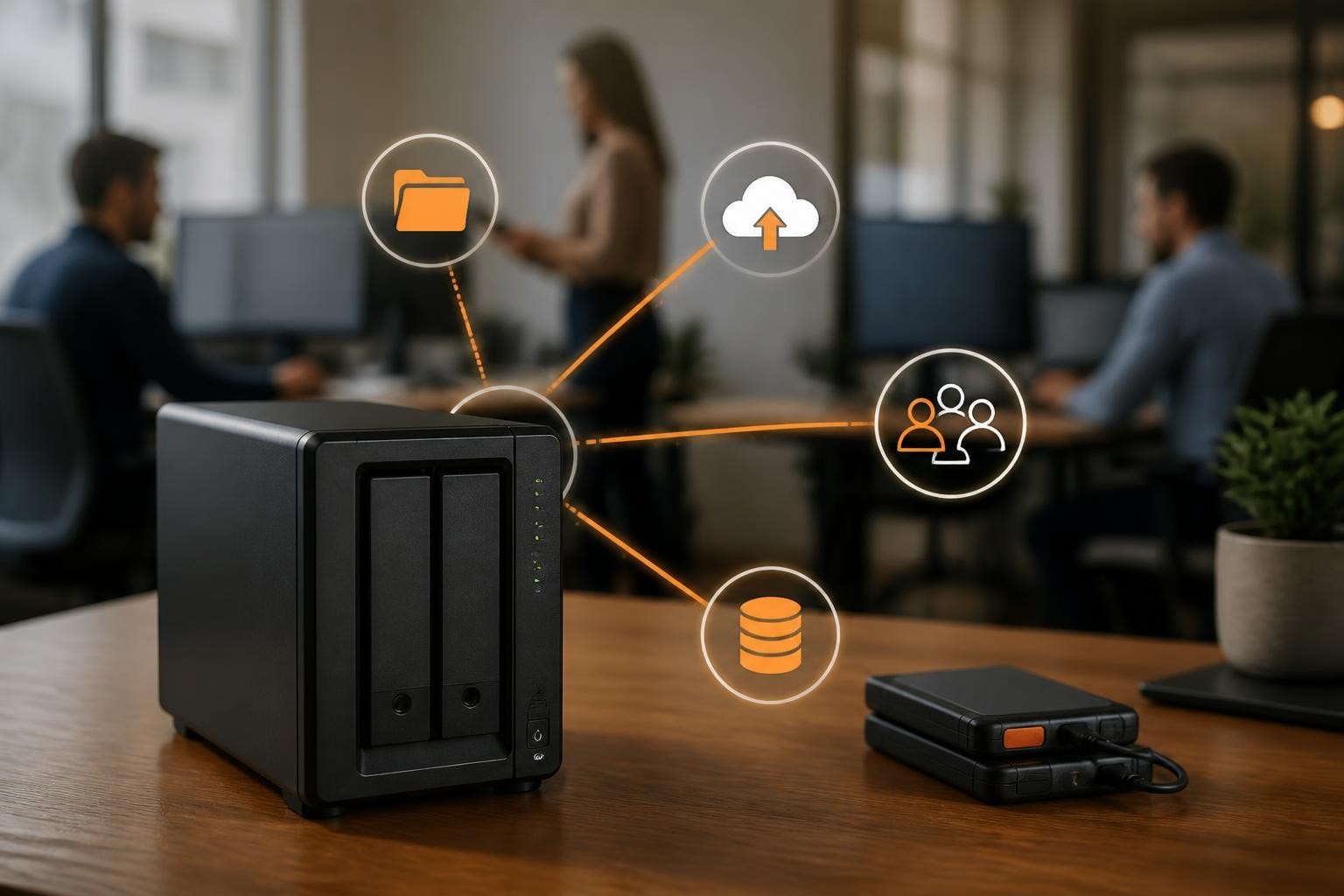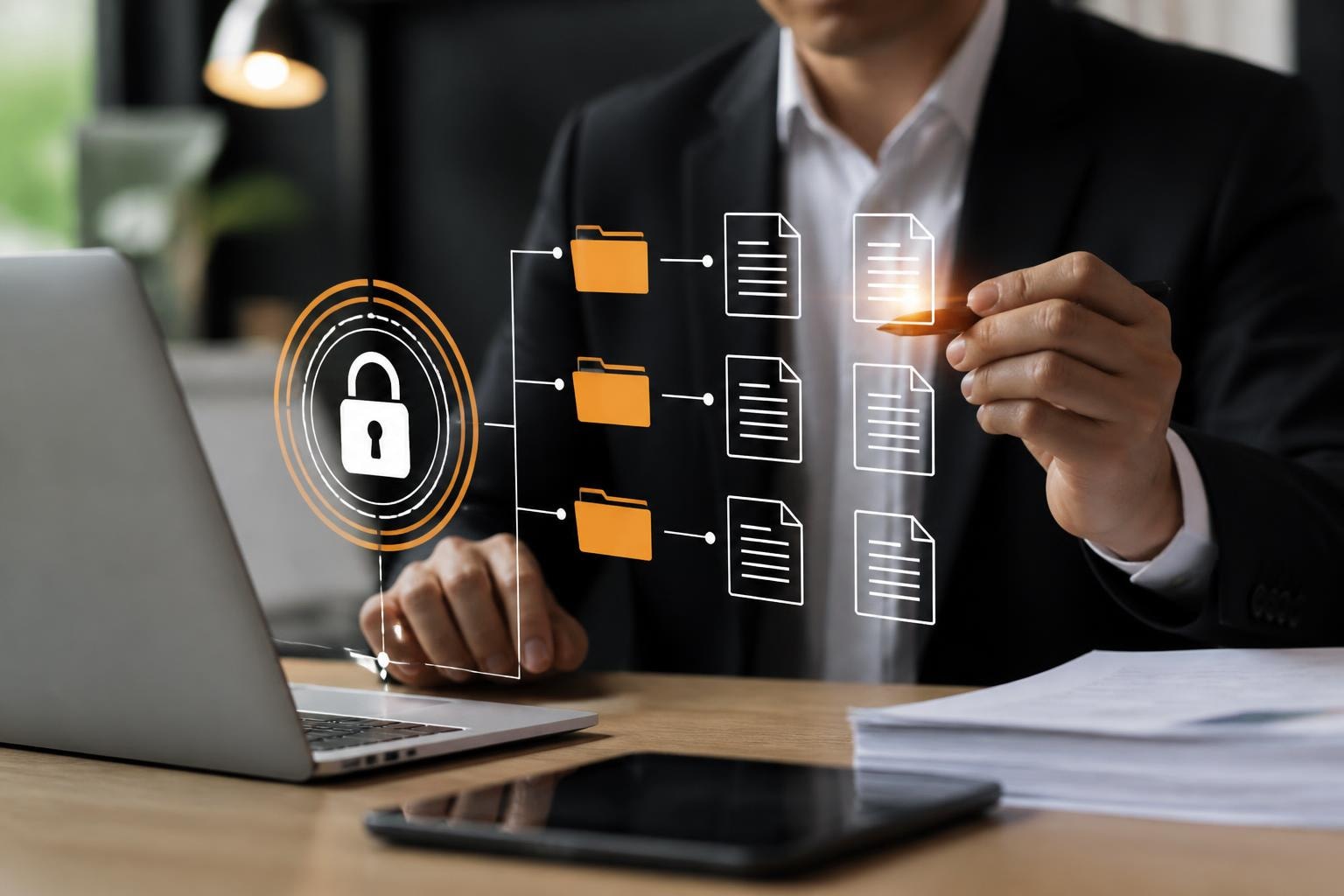

In the modern business landscape, secure document management has become fundamental to successful transactions, compliance, and strategic partnerships. In particular, a dataroom serves as the digital cornerstone for organisations navigating complex deals, mergers, acquisitions, and fundraising activities. Furthermore, whether you’re preparing for due diligence, managing confidential information, or coordinating with multiple stakeholders, understanding how a dataroom functions as a secure online repository can transform your approach to sensitive document handling. Moreover, this comprehensive guide explores the essential aspects of dataroom technology, implementation strategies, and best practices for businesses seeking robust, privacy-focused solutions. As a result, organisations can improve security, efficiency, and collaboration in high-stakes business processes.
Understanding Dataroom Fundamentals
A dataroom represents a secure digital environment designed specifically for storing, organising, and sharing confidential business documents. In particular, unlike generic cloud storage platforms, these specialised repositories incorporate advanced security protocols, granular access controls, and comprehensive audit trails that meet the rigorous demands of corporate transactions. Furthermore, they ensure that sensitive information remains tightly controlled throughout its lifecycle. As a result, organisations can manage confidential data with greater confidence and compliance.
The evolution from physical datarooms to digital platforms has revolutionised how businesses conduct due diligence. In particular, traditional approaches required potential investors or buyers to review documents in person, often within locked rooms under strict supervision. Moreover, today’s virtual environments eliminate geographical barriers whilst enhancing security measures beyond what physical spaces could achieve. Consequently, businesses benefit from faster, more secure, and more efficient due diligence processes.
Core Components of Modern Datarooms
Modern dataroom infrastructure encompasses several critical elements that distinguish it from standard file-sharing services:
- Military-grade encryption protecting data both in transit and at rest
- Multi-factor authentication ensuring only authorised personnel access sensitive materials
- Dynamic watermarking to trace document viewing and prevent unauthorised distribution
- Granular permission settings controlling who can view, download, or print specific documents
- Real-time activity monitoring tracking every user interaction with stored materials

Strategic Applications Across Business Scenarios
The versatility of a dataroom extends across numerous business contexts, each demanding specific configurations and security considerations. In particular, understanding these applications helps organisations maximise the value of their document management infrastructure. Furthermore, it enables businesses to align platform features with operational needs. As a result, organisations can optimise both efficiency and security in document handling.
Mergers and Acquisitions
During M&A transactions, buyers require comprehensive access to a target company’s financial records, contracts, intellectual property, and operational data. A properly structured electronic dataroom facilitates this process whilst maintaining confidentiality and control.
The seller maintains complete visibility over which documents potential buyers access, how long they spend reviewing materials, and which sections generate the most interest. This intelligence proves invaluable during negotiations, revealing buyer priorities and concerns before they’re explicitly stated.
| Transaction Phase | Dataroom Function | Key Considerations |
|---|---|---|
| Preparation | Document organisation and structuring | Consistent naming conventions, logical folder hierarchy |
| Marketing | Limited access for potential buyers | Teaser documents, non-disclosure agreements |
| Due Diligence | Full access for qualified parties | Q&A functionality, version control |
| Closing | Final document exchange | Signature integration, completion certificates |
Fundraising and Investment Rounds
Startups and growth companies utilise datarooms throughout fundraising processes, from seed rounds through to initial public offerings. In particular, GDPR-compliant dataroom practices become especially important when sharing personal data or customer information with potential investors. Furthermore, investors expect structured access to financial projections, cap tables, shareholder agreements, and market analysis. Moreover, the dataroom serves as both a secure repository and a reflection of organisational competence. As a result, a well-maintained environment signals professionalism and can positively influence investment decisions beyond the documents themselves.
Implementation Best Practices
Establishing an effective dataroom requires careful planning, systematic organisation, and ongoing maintenance. In particular, successful implementation balances accessibility with security. Furthermore, it ensures authorised users can locate required information quickly whilst maintaining robust protection against unauthorised access. As a result, organisations achieve both efficiency and strong data security in document management.
Document Organisation Strategies
Begin by categorising documents according to standard due diligence frameworks. Setting up a dataroom with logical structure prevents confusion and demonstrates preparedness.
Primary categories typically include:
- Corporate governance materials
- Financial statements and tax records
- Legal contracts and agreements
- Intellectual property documentation
- Operational procedures and policies
- Human resources information
- Marketing and customer data
- Technology and IT infrastructure details
Within each category, establish sub-folders reflecting chronological order or document type. In particular, consistent naming conventions prevent duplicate uploads and facilitate rapid information retrieval. Furthermore, include index documents at the beginning of each section, providing roadmaps for reviewers navigating extensive materials. As a result, users can locate and manage documents more efficiently while maintaining a clear organisational structure.
Access Control Configuration
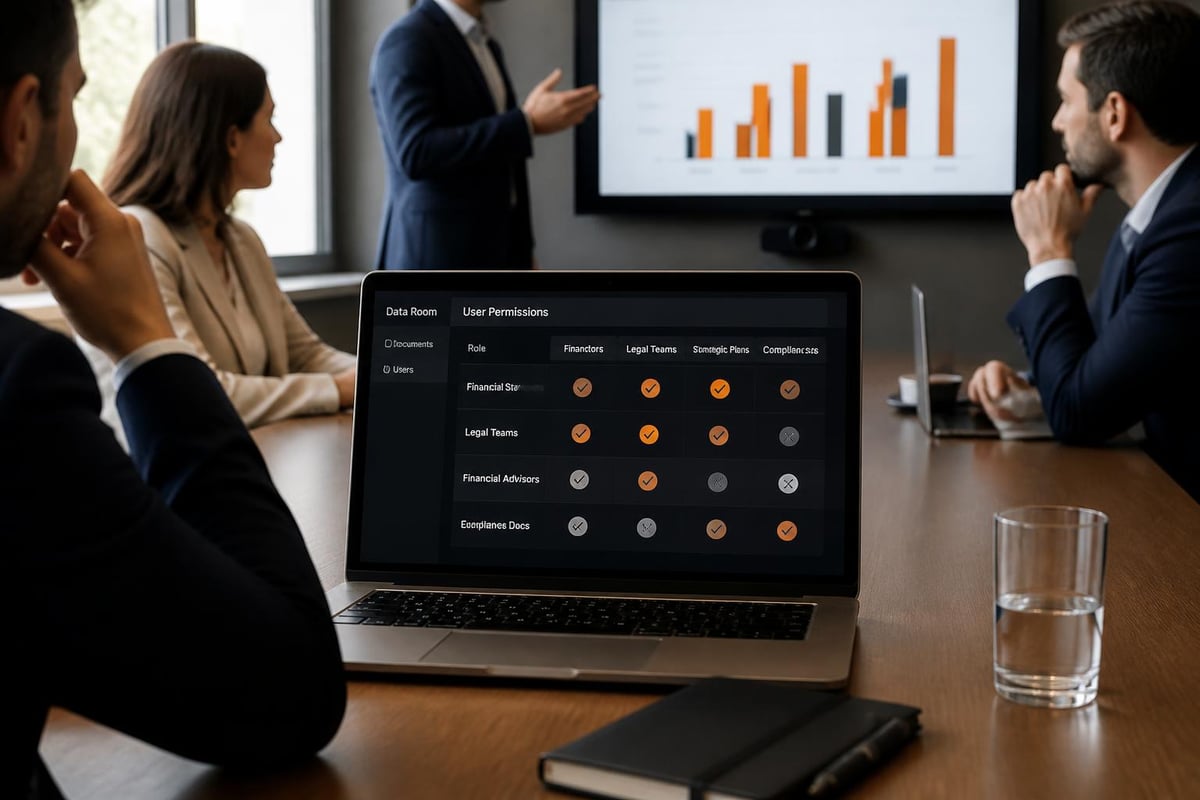
Implementing appropriate access levels requires understanding stakeholder needs and risk profiles. In particular, not every party requires identical access, and differentiated permissions enhance both security and usability. Furthermore, creating user groups based on roles rather than individuals streamlines permission management as team members change. Moreover, legal advisers might need comprehensive access to contracts whilst financial analysts focus primarily on accounting records. As a result, this segmentation reduces information overload and limits exposure of particularly sensitive materials.
Security Considerations and Compliance
Beyond basic encryption and authentication, comprehensive dataroom security addresses multiple threat vectors and regulatory requirements. Organisations handling sensitive information must consider both technical safeguards and procedural controls.
Regulatory Compliance Requirements
Different jurisdictions impose varying obligations on data handling, particularly regarding personal information and financial records. In particular, European organisations must ensure GDPR compliance, whilst those dealing with healthcare information in the United States face HIPAA requirements. Furthermore, these regulatory frameworks significantly influence how data must be stored, accessed, and processed. As a result, organisations must carefully align dataroom usage with applicable legal standards.
A compliant dataroom incorporates privacy by design principles, collecting only necessary information and implementing retention policies aligned with legal obligations. In particular, data residency becomes especially important when regulations mandate storage within specific geographical boundaries. Moreover, these requirements ensure that sensitive information remains within approved jurisdictions. Consequently, businesses can reduce compliance risks while maintaining regulatory alignment.
For businesses prioritising privacy-focused solutions, selecting providers with transparent data handling practices and robust security certifications proves essential. In particular, the secure cloud services sector has evolved to meet these demands. Furthermore, it offers infrastructure designed around privacy principles rather than retrofitting security onto existing platforms. As a result, organisations benefit from more trustworthy and regulation-ready data management solutions.
Audit Trail Capabilities
Comprehensive logging creates accountability and supports compliance verification. In particular, every document view, download, search query, and permission change should generate timestamped records identifying the user and action taken. Furthermore, these audit trails ensure continuous visibility into system activity. As a result, organisations can strengthen both security oversight and regulatory compliance.
These audit trails serve multiple purposes beyond security monitoring. In particular, during disputes, they provide evidence of information disclosure. Moreover, for regulatory examinations, they demonstrate appropriate access controls and data handling procedures. Additionally, in ongoing operations, they reveal usage patterns informing dataroom optimisation. Consequently, businesses gain both operational insight and stronger governance over sensitive information.
Selection Criteria for Dataroom Providers
Choosing the appropriate dataroom solution requires evaluating technical capabilities, vendor reliability, and alignment with organisational requirements. Not all platforms offer equivalent functionality, and mismatched solutions can compromise transaction efficiency.
Technical Feature Assessment
Evaluate platforms based on concrete capabilities rather than marketing claims. Request demonstrations showing actual workflows, test upload speeds with representative file sizes, and verify compatibility with your existing technology stack.
Essential technical features include:
- Support for multiple file formats without conversion requirements
- Bulk upload and download capabilities for efficient data transfer
- Advanced search functionality including full-text content indexing
- Mobile device support for reviewers accessing materials remotely
- Integration with electronic signature platforms for closing processes
Vendor Evaluation Parameters
Beyond technical specifications, assess the provider’s organisational stability, support infrastructure, and industry reputation. A dataroom contains your most sensitive business information; the hosting provider becomes a critical partner in protecting these assets.
| Evaluation Criterion | Key Questions | Red Flags |
|---|---|---|
| Security Certifications | ISO 27001, SOC 2 Type II compliance? | Vague security claims, no third-party validation |
| Infrastructure Reliability | Uptime guarantees, redundancy measures? | Limited service level agreements |
| Support Availability | 24/7 access to technical assistance? | Business hours only, outsourced support |
| Data Sovereignty | Server locations, data residency options? | Unclear infrastructure geography |
| Pricing Transparency | Clear per-user or per-project costs? | Hidden fees, complex pricing tiers |
Optimising Dataroom Efficiency
After establishing basic infrastructure, ongoing optimisation enhances user experience and transaction velocity. Small improvements in document accessibility and navigation compound over time, particularly during intensive due diligence periods.
User Experience Enhancements
Anticipate reviewer needs by providing supporting materials that contextualise primary documents. Include glossaries defining technical terms, organisational charts clarifying corporate structure, and summaries highlighting key points within lengthy contracts.
Implement Q&A functionality allowing reviewers to submit questions directly within the dataroom. This centralises communication, creates searchable records of inquiries and responses, and eliminates confusion about which party addressed specific concerns.

Consider scheduling a guided demonstration for first-time users, particularly when multiple stakeholders require dataroom access. Familiarity with platform functionality reduces frustration and accelerates productive engagement with materials.
Maintenance and Update Protocols
Datarooms require active management throughout transaction lifecycles. Establish protocols for adding documents, updating outdated materials, and archiving superseded versions. Stale information undermines credibility and creates liability risks if reviewers rely on incorrect data.
Assign specific team members responsibility for dataroom maintenance, with clear escalation procedures for urgent updates. When material information changes during due diligence, promptly upload revised documents and notify relevant parties of modifications.
Version control becomes critical when documents undergo multiple revisions. Clearly label draft versus final versions, maintain previous iterations for reference, and use the dataroom’s native versioning features rather than manual file naming schemes.
Future Trends in Dataroom Technology
The dataroom sector continues evolving, incorporating emerging technologies and responding to changing business requirements. Understanding these trends helps organisations prepare for future capabilities whilst making current platform selections with longevity in mind.
Artificial intelligence increasingly augments manual due diligence processes. Advanced platforms now offer automatic document categorisation, intelligent redaction of sensitive information, and anomaly detection highlighting unusual patterns within financial data. These capabilities reduce preparation time whilst improving accuracy.
Blockchain integration promises enhanced document authenticity verification and tamper-proof audit trails. Some providers now offer blockchain-anchored timestamps, creating immutable records of document uploads and modifications that withstand legal scrutiny.
Integration with broader business systems continues deepening. Modern datarooms connect with customer relationship management platforms, project management tools, and enterprise resource planning systems, creating seamless workflows that extend beyond isolated transaction environments.
Cost Considerations and ROI Analysis
Dataroom expenses extend beyond subscription fees to encompass implementation time, training investment, and ongoing management resources. Understanding total cost of ownership enables accurate budget planning and vendor comparison.
Typical cost components include:
- Platform subscription fees (monthly or per-project)
- User licensing charges for additional administrators
- Storage allocation for document volumes
- Implementation and configuration services
- Training sessions for internal teams
- Premium support packages for complex deployments
When evaluating online dataroom options, calculate potential time savings against manual document management approaches. A transaction team spending 40 hours organising physical documents or managing email-based sharing represents significant opportunity cost that dataroom automation eliminates.
Consider failed transaction costs in your analysis. Deals collapse for numerous reasons, but inadequate information access or security breaches during due diligence contribute to avoidable failures. The dataroom’s role in maintaining deal momentum and stakeholder confidence provides value extending beyond measurable time savings.
Dataroom Management Responsibilities
Successful dataroom deployment requires clear role assignments and accountability structures. Ambiguity about responsibilities creates gaps in document coverage, delayed updates, and inconsistent access management.
Designate a dataroom administrator with authority to configure permissions, upload documents, and coordinate with the platform provider. This individual serves as the primary contact for technical issues and user access requests, preventing bottlenecks when multiple stakeholders require simultaneous assistance.
Establish content owners for each document category, making specific departments or individuals responsible for ensuring their sections remain current and complete. Financial teams manage accounting records, legal counsel oversees contracts, and human resources handles personnel documentation.
Create approval workflows for sensitive document additions, particularly those containing confidential financial projections or proprietary technical information. Multi-person review reduces risks of inadvertent disclosure whilst maintaining necessary accessibility for legitimate due diligence purposes.
Training and Onboarding Protocols
Even intuitive platforms benefit from structured user training. Develop standardised onboarding materials covering basic navigation, search functionality, document downloading, and question submission procedures.
Record demonstration sessions for asynchronous viewing, allowing new users to familiarise themselves with platform capabilities before accessing live transaction datarooms. Include screenshots highlighting key features and common workflows in written documentation.
Schedule practice sessions using test datarooms populated with non-confidential materials. This hands-on experience builds confidence and identifies usability questions before high-pressure transaction environments where mistakes carry consequences.
Implementing a robust dataroom strategy transforms how organisations handle sensitive information throughout critical business transactions. By prioritising security, maintaining systematic organisation, and selecting platforms aligned with regulatory requirements, businesses protect confidential materials whilst facilitating efficient due diligence processes. vBoxx provides the secure hosting infrastructure and privacy-focused cloud solutions essential for supporting dataroom deployments, combining high-performance technology with sustainable, reliable digital infrastructure. Whether you’re preparing for an acquisition, managing fundraising documentation, or establishing ongoing compliance repositories, the right secure cloud foundation ensures your sensitive information remains protected without compromising accessibility for authorised stakeholders.