
As we approach 2026, secure and high-performance hosting is more vital than ever for businesses navigating the digital landscape. With organisations increasingly dependent on dedicated cloud hosting for reliability, compliance, and scalability, the pressure to protect data and ensure consistent performance continues to grow.
Rising cyber threats and strict regulations demand robust security, guaranteed resources, and future-proof infrastructure. This guide delivers a comprehensive, current overview of dedicated cloud hosting solutions for 2026. You will discover definitions, key benefits, essential features, security best practices, migration strategies, cost and value analysis, and emerging trends shaping the future.
Understanding Dedicated Cloud Hosting in 2026
As digital transformation accelerates in 2026, businesses are turning to dedicated cloud hosting to meet rising expectations for performance, security, and compliance. The right infrastructure provides a critical foundation for handling sensitive data and supporting growth.

What is Dedicated Cloud Hosting?
Dedicated cloud hosting is a hosting solution where a single client receives exclusive access to cloud-based server resources. Unlike traditional dedicated servers, which are physical machines allocated to one user, dedicated cloud hosting leverages virtualisation to deliver isolated environments within enterprise-grade data centres.
This approach means each tenant gets guaranteed CPU, RAM, and storage, with no resource sharing or performance impact from other users. The architecture typically includes high availability, rapid failover, and advanced isolation. For a deeper exploration of the underlying technology, see Cloud server hosting explained.
UK-based providers often offer full root access, enabling total control and customisation. Dedicated cloud hosting is particularly relevant for mission-critical workloads where uptime, security, and compliance are paramount.
Key Benefits for Modern Businesses
The core advantage of dedicated cloud hosting lies in its resource guarantees. Businesses receive dedicated CPU, RAM, and storage allocations, ensuring there are no noisy neighbours or resource contention.
Key benefits include:
- On-demand scalability to match growth or seasonal spikes.
- High availability and redundancy with multi-routed networks and automated offsite backups.
- Enterprise-grade performance, often powered by NVMe SSD storage and backed by 100% uptime SLAs.
- Unlimited bandwidth and transparent, fixed pricing, allowing predictable budgeting.
These features make dedicated cloud hosting a compelling option for organisations seeking reliability and long-term value.
Who Should Use Dedicated Cloud Hosting?
Dedicated cloud hosting is ideal for organisations that require robust security, compliance, and customisation. Typical users include:
- E-commerce platforms managing high transaction volumes.
- Digital agencies and SaaS providers needing consistent performance.
- Regulated industries, such as finance or healthcare, with strict GDPR or NIS2 obligations.
- Businesses needing custom operating systems, control panels, or bespoke application stacks.
- Startups and SMEs with ambitious growth plans and a focus on data protection.
UK and European businesses, in particular, are migrating to dedicated cloud hosting to ensure compliance and achieve better performance.
Market Data & Trends for 2026
The demand for dedicated cloud hosting continues to surge as cloud adoption rises globally. Industry forecasts predict strong market growth, with managed hosting solutions and 24/7 expert support becoming increasingly important.
Security and compliance have emerged as top selection criteria, especially in light of GDPR and NIS2 regulations. There is also a notable shift towards green hosting, with more providers investing in 100% renewable energy and eco certifications.
Customer reviews consistently highlight support quality, reliability, and performance as decisive factors in choosing dedicated cloud hosting. As 2026 approaches, these trends reinforce the strategic value of secure, future-ready hosting solutions.
Essential Features of Dedicated Cloud Hosting Solutions
Choosing the right dedicated cloud hosting platform in 2026 requires a clear understanding of its essential features. Businesses must prioritise performance, security, backup, management, and scalability to meet today’s digital demands.

Performance and Resource Isolation
Dedicated cloud hosting delivers uncompromising performance by allocating CPU, RAM, and storage exclusively to each client. This eliminates resource contention, ensuring consistent speed for mission-critical applications.
Providers use NVMe SSD storage and 100Gb networking to minimise latency and maximise I/O throughput. For example, leading UK solutions offer up to 12 vCPUs, 64GB RAM, and 750GB storage, supporting high-traffic websites, complex databases, and streaming platforms.
A dedicated cloud hosting environment guarantees that workloads remain unaffected by neighbouring tenants, making it ideal for businesses requiring predictable performance and reliability.
Security and Compliance
Security is a cornerstone of dedicated cloud hosting. Enterprise-grade firewalls and always-on Web Application Firewalls (WAF) protect against threats in real time.
Automated security updates and live kernel patching reduce vulnerabilities without interruption. PCI-compliant infrastructure is essential for e-commerce, while secure data centres provide 24/7 monitoring, CCTV, and strict access controls.
For deeper insights into security features, see the Encrypted cloud service benefits that modern providers offer. Hardened PHP further secures legacy applications, ensuring compliance and peace of mind.
Backup and Disaster Recovery
Robust backup and disaster recovery strategies are vital in dedicated cloud hosting. Leading providers include automated daily or hourly offsite backups as standard.
Snapshot technology enables rapid restoration, helping minimise downtime during incidents. Disaster recovery protocols often involve multi-location redundancy and regular backup verification, supporting business continuity.
Providers typically offer 24/7 backup management and instant restores, so data loss risks are greatly reduced. This level of protection is crucial for organisations with high-value or regulated data.
Management, Support, and Control
Dedicated cloud hosting gives businesses flexibility with fully managed options or advanced control for technical teams. Managed services include OS updates, security patching, and proactive monitoring.
Providers deliver 24/7 UK or EU-based technical support with rapid response SLAs. Users can opt for root-level access and choose from control panels like cPanel, Plesk, or DirectAdmin.
Free server migrations and onboarding assistance simplify transitions. Customer testimonials consistently praise fast, expert support, which is a key factor in long-term satisfaction.
Scalability, Flexibility, and Customisation
A major advantage of dedicated cloud hosting is the ability to scale resources instantly, without downtime. Businesses can select their preferred OS, such as Ubuntu, Debian, AlmaLinux, or CloudLinux, to suit specific needs.
Customisable packages allow clients to configure CPU, RAM, storage, and bandwidth according to demand. Transparent monthly or annual pricing ensures no hidden costs or overages.
Leading providers facilitate bespoke configurations and upgrades on demand, enabling organisations to adapt quickly as requirements evolve. This flexibility is essential for growth and innovation.
Security Best Practices and Regulatory Compliance in 2026
As digital threats grow more sophisticated, robust security and compliance are non-negotiable for any dedicated cloud hosting environment in 2026. Businesses face a rapidly evolving risk landscape, with regulatory demands and customer expectations at an all-time high. Understanding the latest best practices ensures your hosting solution remains secure, reliable, and future-ready.
Cybersecurity Threats Facing Cloud Hosting
In 2026, dedicated cloud hosting environments face a constant barrage of cyber threats. Ransomware attacks, DDoS incidents, and data breaches are more frequent and complex than ever. The rise of supply chain attacks also targets cloud-hosted applications and e-commerce platforms, putting sensitive data at risk.
For mission-critical workloads, proactive threat detection is essential. Hosting providers must implement real-time monitoring and rapid incident response to stay ahead of attackers. Regular staff training, updated policies, and layered defences help mitigate risks. Ultimately, the right dedicated cloud hosting partner will prioritise a security-first approach, ensuring your business remains resilient against both emerging and persistent threats.
Core Security Features to Demand
Selecting a dedicated cloud hosting provider requires scrutiny of their security toolkit. Look for always-on Web Application Firewalls (WAF), enterprise-grade firewalls, and DDoS mitigation as standard features. Automated, rebootless kernel updates and patch management are crucial for minimising vulnerabilities without disrupting uptime.
Physical security matters too. Ensure providers offer secure compounds, on-site technicians, and 24/7 CCTV surveillance. Regular vulnerability assessments and security audits further strengthen your defences. For practical steps and ongoing advice, explore these cybersecurity tips for businesses. By demanding these features, you help guarantee the safety of your dedicated cloud hosting solution.
Meeting GDPR, NIS2, and Industry Regulations
Compliance is a central pillar of dedicated cloud hosting in Europe. Hosting data within EU or UK borders supports GDPR and NIS2 requirements, ensuring data residency and legal protection. Leading providers operate ISO 27001 certified data centres and maintain rigorous, documented security processes.
Audit trails, access logs, and robust incident response protocols are critical. Businesses should regularly review their compliance status and update internal policies as regulations evolve. Providers offering comprehensive documentation and compliance guarantees make it easier to navigate the complex world of dedicated cloud hosting regulation.
Privacy, Data Sovereignty, and Green Hosting
Data privacy and sovereignty remain top priorities for organisations using dedicated cloud hosting. Single-tenant environments ensure that sensitive information is isolated, supporting both regulatory and customer expectations. Hosting with European providers helps maintain control over where data resides and who can access it.
Sustainability is also gaining traction. Many providers now power their data centres with 100% renewable energy and pursue climate-friendly certifications. This not only supports compliance but demonstrates a commitment to responsible, future-proof infrastructure for your dedicated cloud hosting needs.
vBoxx: Secure, Compliant, and Green Hosting Solutions
vBoxx exemplifies the gold standard in dedicated cloud hosting for 2026. Their European data centres are GDPR and NIS2 compliant, ISO 27001 certified, and support full data sovereignty. Every service is designed around privacy, security, and sustainability, with 100% renewable energy and environmental certifications.
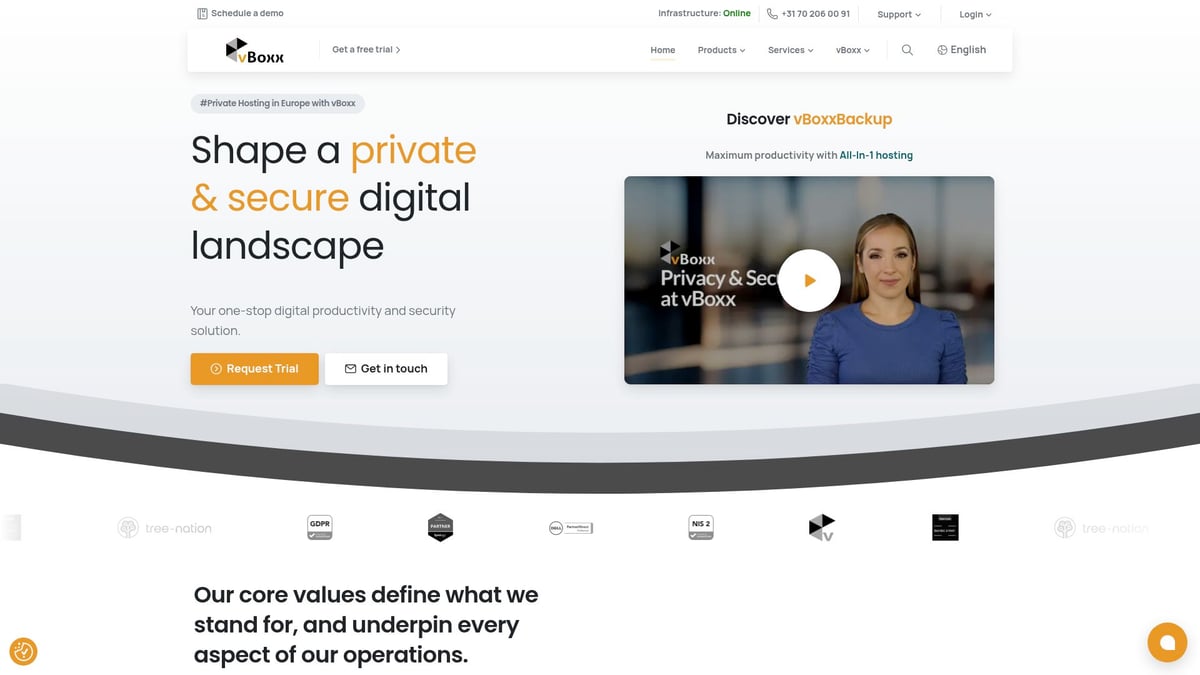
vBoxx also provides managed migration, consultancy, and disaster recovery, ensuring seamless transitions and ongoing protection. For businesses prioritising robust security and compliance, vBoxx is a leading choice for dedicated cloud hosting in the evolving digital landscape.
Step-by-Step Guide: Migrating to Dedicated Cloud Hosting
Migrating to dedicated cloud hosting is a strategic move that can future-proof your business, but success depends on careful planning and execution. This step-by-step guide breaks down the migration process, helping you achieve seamless transitions, maintain compliance, and unlock the full benefits of dedicated cloud hosting.

Step 1: Assessing Your Business Needs and Readiness
Before migrating to dedicated cloud hosting, start with a comprehensive audit of your current infrastructure, workloads, and compliance requirements. Identify performance bottlenecks and security vulnerabilities that could impact your migration.
Bring together all key stakeholders, including IT, compliance, and management, to define goals and expectations. Consider your projected growth and scalability needs, ensuring dedicated cloud hosting can support your future ambitions.
For many businesses, especially those moving from shared or VPS environments, this step is crucial for GDPR compliance and securing sensitive data. A clear understanding of your needs sets the stage for a successful migration to dedicated cloud hosting.
Step 2: Selecting the Right Dedicated Cloud Provider
Choosing the right provider is vital for maximising the benefits of dedicated cloud hosting. Evaluate each provider’s security measures, uptime guarantees, and compliance credentials. Compare resource allocations, such as CPU, RAM, storage, and bandwidth, to ensure they align with your business requirements.
Decide whether a managed or unmanaged solution best fits your team’s expertise. Review support SLAs, customer testimonials, and independent ratings for insight into reliability and service quality.
For organisations in Europe, prioritise providers with in-region data centres and strong compliance records. For deeper insights, you may wish to review European cloud infrastructure insights to understand how leading providers address data sovereignty and regulatory needs.
Step 3: Planning and Preparing for Migration
A successful migration to dedicated cloud hosting begins with meticulous planning. Create a detailed migration timeline, highlighting key milestones and dependencies. Inventory your applications, databases, and any third-party integrations to map dependencies and avoid surprises.
Develop robust backup and rollback strategies to safeguard your data. Work closely with your provider, leveraging their pre-migration support and expertise. Many dedicated cloud hosting providers offer free, fully managed migrations, reducing the risk of downtime and ensuring a smooth transition.
Clear planning at this stage is essential for minimising disruption and maintaining business continuity.
Step 4: Executing the Migration
When ready to move workloads to dedicated cloud hosting, execute the migration in phases to limit any potential downtime. Use snapshot technology and backup tools to ensure data integrity throughout the process.
Test each migrated application for performance, compatibility, and security. Maintain proactive communication with your provider’s technical team, addressing any issues with operating systems, control panels, or PHP versions as they arise.
A phased approach combined with real-time monitoring ensures your migration to dedicated cloud hosting is smooth, secure, and efficient.
Step 5: Post-Migration Optimisation and Validation
After migration, closely monitor performance metrics and resource usage within your dedicated cloud hosting environment. Conduct comprehensive security audits and compliance checks to confirm all requirements are met.
Fine-tune server configurations to optimise workload efficiency and document new processes for future reference. Update your disaster recovery plans to reflect the new infrastructure.
Solicit user feedback and adjust support arrangements as needed. This post-migration phase ensures you fully realise the benefits of dedicated cloud hosting and maintain ongoing compliance.
Common Migration Pitfalls and How to Avoid Them
Even with careful planning, migrations to dedicated cloud hosting can encounter pitfalls. One common mistake is underestimating the time required for data transfer or failing to test backups and rollback procedures.
Neglecting compliance or security requirements can result in costly delays. Poor stakeholder communication may cause confusion and disrupt business operations.
To avoid these issues, learn from expert support teams and real-world customer experiences. Prioritise thorough testing, clear documentation, and proactive communication at every stage of your dedicated cloud hosting migration.
Cost, Value, and ROI Analysis for Dedicated Cloud Hosting
Selecting the right hosting solution is a significant investment for any business. Understanding the cost, value, and return on investment of dedicated cloud hosting is key to making an informed decision for 2026.
Understanding Pricing Models
Dedicated cloud hosting pricing is typically based on fixed monthly or annual fees, providing predictability for budgeting. Unlike pay-as-you-go models, these plans often include unlimited bandwidth and transparent costs, so there are no unexpected overages.
Providers usually offer clear entry-level plans, such as £54.88 per month, with resources like dedicated CPU, RAM, and storage. This contrasts with traditional dedicated and VPS hosting, where resource contention or additional fees can arise.
The value of dedicated cloud hosting is also seen in bundled features like daily backups, managed security, and 24/7 support. These inclusions can lead to reduced operational costs and fewer surprises, helping businesses plan for the future confidently.
Calculating Total Cost of Ownership (TCO)
When assessing dedicated cloud hosting, it is essential to look beyond the headline price. Total cost of ownership includes migration expenses, ongoing management, and the level of technical support required.
Long-term savings often come from reduced downtime and enhanced performance. With guaranteed resources and expert support, IT teams are freed to focus on strategic projects rather than firefighting server issues.
For example, businesses that switch to managed dedicated cloud hosting often report improved uptime and more predictable costs, resulting in measurable ROI. Factoring in these elements offers a realistic view of both the direct and indirect savings over time.
Evaluating Value-Added Features
Many dedicated cloud hosting providers differentiate themselves with valuable extras included in their plans:
- Automated daily or hourly backups
- Managed security updates and compliance support
- Free migration and onboarding services
- Flexible customisation of resources
These features allow organisations to pay only for what they need, avoiding unnecessary expenses. Customer reviews frequently highlight the exceptional support and comprehensive features available, positioning dedicated cloud hosting as a strategic choice for growth.
A side-by-side comparison table can help illustrate the differences:
| Feature | Dedicated Cloud Hosting | Traditional Dedicated | VPS |
|---|---|---|---|
| Guaranteed Resources | Yes | Yes | No |
| Included Backups | Yes | Varies | Varies |
| Compliance Support | Yes | Varies | Limited |
| Transparent Pricing | Yes | Sometimes | Sometimes |
Making the Business Case for 2026
To justify investment in dedicated cloud hosting, align hosting spend with your organisation’s growth and digital transformation goals. Meeting regulatory demands, such as GDPR or NIS2, is easier with built-in compliance features and local data residency.
A future-proof infrastructure supports evolving workloads, ensuring smooth scaling without escalating costs. According to the managed hosting market growth forecast, businesses are increasingly choosing managed dedicated solutions for their blend of reliability, compliance, and cost-effectiveness.
Case studies show that businesses leveraging dedicated cloud hosting can efficiently scale, maintain compliance, and deliver consistent performance, all while controlling operational expenditure.
Future Trends and Innovations in Dedicated Cloud Hosting
As we approach 2026, the landscape of dedicated cloud hosting is evolving at a rapid pace. Businesses are seeking future-proof solutions that harness the latest technology while meeting growing demands for security, efficiency, and sustainability. Understanding these trends is essential to stay ahead in a competitive market.
AI and Automation in Cloud Management
AI and automation are revolutionising dedicated cloud hosting, making management more intelligent and proactive. Providers now deploy AI-driven monitoring tools to detect anomalies, optimise resource allocation, and predict potential failures before they disrupt operations.
Automated patching and incident response are becoming standard. For example, some platforms offer self-healing infrastructure, where AI identifies issues and applies fixes in real time. This trend reduces manual intervention, improves uptime, and allows businesses to focus on core objectives, knowing their dedicated cloud hosting environment remains secure and efficient.
Edge Computing and Distributed Cloud Architectures
Edge computing is reshaping how dedicated cloud hosting delivers performance and compliance. By placing resources closer to end users in regional data centres, latency is reduced, and real-time applications, such as IoT and analytics, benefit from faster response times.
Distributed cloud architectures support hybrid and multi-cloud strategies, enhancing resilience and flexibility. This approach allows organisations to meet data sovereignty requirements and optimise workloads across various locations. According to cloud market share projections for 2026, the adoption of edge and distributed models will continue to surge as businesses demand greater agility from their dedicated cloud hosting providers.
Evolving Security Paradigms
Security remains at the forefront of dedicated cloud hosting innovation. The adoption of zero trust architectures, continuous compliance monitoring, and advanced encryption is rising sharply. Providers are integrating machine learning and threat intelligence to detect and respond to attacks with greater speed and accuracy.
Emerging trends such as Secure Access Service Edge (SASE) and automated DevSecOps pipelines are redefining how security is managed. For further insights, see cloud security trends for 2026, which highlights the growing emphasis on unified security frameworks and automation in the dedicated cloud hosting sector.
Sustainability and Green Hosting
Sustainability is no longer optional for dedicated cloud hosting providers. Clients increasingly prioritise green credentials, seeking services powered by 100% renewable energy and certified by climate-friendly standards.
Leading providers are investing in carbon offsetting, energy-efficient hardware, and responsible e-waste disposal. These measures not only reduce environmental impact but also appeal to eco-conscious customers. As dedicated cloud hosting continues to grow, sustainability will be a key differentiator in the market.
The Changing Regulatory Landscape
The regulatory environment for dedicated cloud hosting is becoming more complex. Anticipated updates to GDPR, NIS2, and industry-specific standards require ongoing adaptation from providers. Cross-border data management and compliance are top concerns, especially for organisations operating in multiple regions.
Providers are responding by offering enhanced compliance support, transparent audit trails, and flexible hosting locations. As regulations evolve in 2026, dedicated cloud hosting solutions will need to remain agile, ensuring businesses can meet new requirements without disruption.
As we look ahead to 2026, it’s clear that secure, high-performance cloud hosting is more important than ever, especially for businesses navigating complex compliance demands and rapid digital growth. If you’re considering a move to dedicated cloud hosting or want to ensure your infrastructure is robust, private, and future proof, you don’t have to figure it out alone. Let’s explore how vBoxx’s secure, green, and fully managed solutions can help your business thrive. If you’d like to talk through your needs or have specific questions, simply Ask for more info—we’re here to help you make the right choice for your future.